
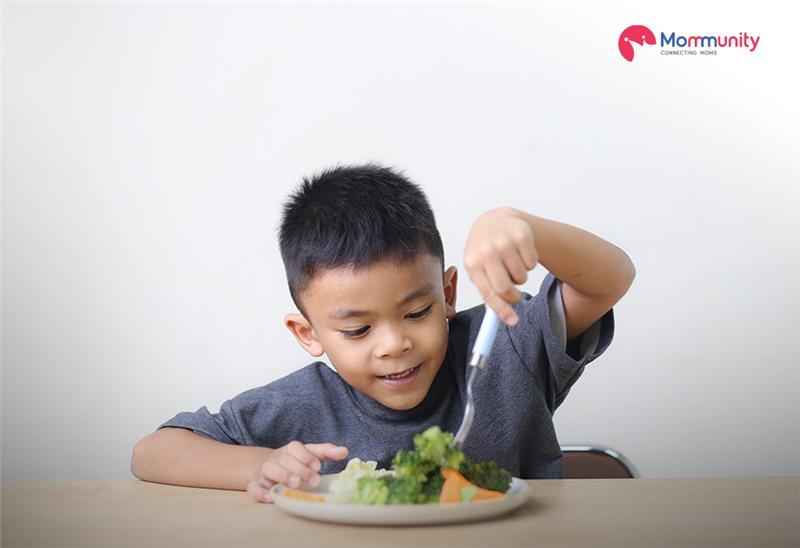
Feeding kids can feel like a full-time job. Between picky eaters, busy mornings, and trying to make sure they get enough nutrients, it’s easy to get stuck in the same food routine. But some foods, often called superfoods, can make a big difference in your child’s health without needing fancy recipes or ingredients.
Let’s break down 11 easy-to-find, everyday foods that are really good for growing kids. These foods are packed with the right kind of nutrients to help with energy, brain power, strong bones, and good digestion.
1. Eggs
Eggs are a great source of nutrition for your child. They contain protein and choline, which are important for healthy memory and brain development.
Ways to Serve Eggs:
- Boil eggs for lunchboxes
- Scrambled for Breakfast
- Egg Paratha or Egg Sandwiches
2. Dals
Dals and beans contain protein, iron, and fibre. Protein helps build muscle, iron keeps you feeling full, and fibre helps maintain healthy blood.
Ideas for Kids:
- Dal Rice with Ghee
- Rajma Chawal
- Hummus with Roti/Crisps/Crackers
3. Dark Green Leafy Vegetables (Spinach, Methi, etc.)
Dark Leafy Greens contain many vitamins, such as Vitamin A, which helps to improve eyesight, maintain healthy skin, and support a healthy immune system. There are many ways to add Dark Leafy Greens to your diet.
Ways to Add Dark Leafy Greens:
- Cut up and mix these vegetables into Dals or Parathas
- Mix these vegetables into Pasta or Rice (Khichdi) or Thepla
- Blend these vegetables into smoothies with bananas or milk
4. Yoghurt
Plain Yoghurt (Curd) is also very good for your Gut. It contains Probiotics (Good Bacteria) which aid in your Digestive System and aid in building your Immune System.
Ways to Have Yoghurt:
- Serve as Raita or Lassi
- Mix with Fruits and/or Honey
- Blend with Milk or Fruit in a Smoothie
5. Fruit (Berries and Bananas)
Berries (Strawberries and Blueberries) are high in Antioxidants. Bananas provide you with Energy and Aid in Digestion.
Ways to Add Fruit to Your Diet:
- Fresh/Frozen
- With Breakfast Cereals or Porridge
- Mixed into Milk Shakes
6. Whole Grains (Oats, Brown Rice, Ragi)
Whole grains provide energy that lasts longer. They are better than maida or white bread because they help keep your child feeling full and aid in digestion.
Ideas to include in the diet:
- Oats Upma or a hot cereal (porridge)
- Brown rice Pulao
- Ragi Dosa or Idli
7. Nuts and Seeds
Almonds, walnuts, chia seeds, and flaxseeds are packed with healthy fat, protein and fibre. These nutrients are essential for brain development in children and provide lasting energy.
Caution: Grind or soak for younger children to prevent choking.
How to include them in your child’s diet:
- Add to milk, porridge, or laddoos
- Nut butters (peanut butter or almond butter) on toast
- Chia seeds in yogurt or milk
8. Sweet Potato
Sweet potatoes contain Vitamin A, which helps support the development of healthy eyesight and the immune system. Most children enjoy eating sweet potatoes due to their mild, sweet flavour.
Here are a few ways to prepare sweet potatoes:
- Roast in wedges
- Add to pancake batter or chapati dough
- Boil and mash as a side dish.
9. Fish (If Non-Vegetarian)
Fish are an excellent source of Omega-3 Fatty Acids, which promote optimal development of the brain and assist in learning. Common forms of fish for baby foods are Salmon and Sardines.
Suggestions:
- Make small cutlets out of fish
- Use fish in a mild curry
- Mix fish with rice or make a chapati roll with fish
10. Avocado
Avocados contain healthy fats that can aid your child’s brain development and energy levels; plus, they are soft and can easily be mashed. Avocados are also a good option for toddlers because they are easy to chew.
Ways to use avocados:
- Mash and spread on toast
- Add avocado to Roti Wrap
- Blend Avocado into smoothies
11. Mix of Dal + Nuts + Dairy + Whole Grains
This combination provides your toddler with nearly all of the daily nutrition required for a vegetarian diet.
- Simple combo meals for toddlers:
- Dal + Roti + Curd + Sabzi
- Rice + Chana + Vegetables + Milk
- Roti Roll with Paneer & Spinach
Making Healthy Eating Easier
Even if your child is a fussy eater, don’t give up. Small changes make a big difference over time.
Try these:
- Mix veggies into dishes they already like
- Make meals colourful, kids eat with their eyes first
- Let kids choose between healthy options
- Offer new foods in small amounts without pressure
Also Read: 10 Superfoods to healthily encourage baby’s weight gain
One-Day Meal Plan Using These Superfoods
Breakfast:
- Scrambled egg with roti
- Banana slices
- A glass of milk
Mid-Morning Snack:
- Handful of almonds (crushed or soaked)
- A few berries or raisins
Lunch:
- Moong dal
- Brown rice
- Curd
- Palak sabzi
Evening Snack:
- Smoothie with yogurt, chia seeds, and fruits
Dinner:
- Roti with sweet potato sabzi
- Boiled egg or paneer cubes
- A small bowl of yogurt
Superfoods do not necessarily have to come from a health food shop, as simple healthy recipes from the Indian cuisine can also be considered superfoods. Dal, roti, rice, sabzi, curd, nuts, and fruits are just a few of the many foods that have earned their title as “superfoods.”
Additionally, it is acceptable if your child is unable to eat all eleven food items every day. The key is to encourage healthy eating habits by providing healthy options and making them interesting, colourful, and fun. If they have eaten any combination of five of the eleven food items, you should be excited for them, because that is better than none.
FAQs
- What should I do about my child’s tendency to be picky with food?
Start with very small amounts of the new food added to something the child already eats. Continue to offer it, even though you are not sending the message that it is required. Letting your child help in the kitchen or shape the food into fun shapes could also create excitement for them to eat and enjoy new foods.
- How many times should my child eat during the day?
Most children should follow a regular pattern of eating 3 healthy meals at a minimum and an additional 1 or 2 healthy snacks during the day.
- Is it okay for me to give dry fruits every day?
Yes, but in limited quantities. The powdered or soaked nuts would be safer for younger children to eat.
- Is milk a necessary part of the diet for my child?
Calcium is one of the primary nutrients obtained from milk, but calcium can also be found in sufficient quantities in curd, paneer, ragi, and sesame. If your child isn’t using milk, check with your doctor for other sources of calcium.
- Are “superfood” products marketed in stores and online worth spending the extra money to buy them?
Homemade superfoods are far more beneficial than any superfood bought in stores. Most of the items labelled as superfoods can be found in your kitchen already, such as dal (lentils), fruits, nuts, curd, roti (bread), and vegetables.