
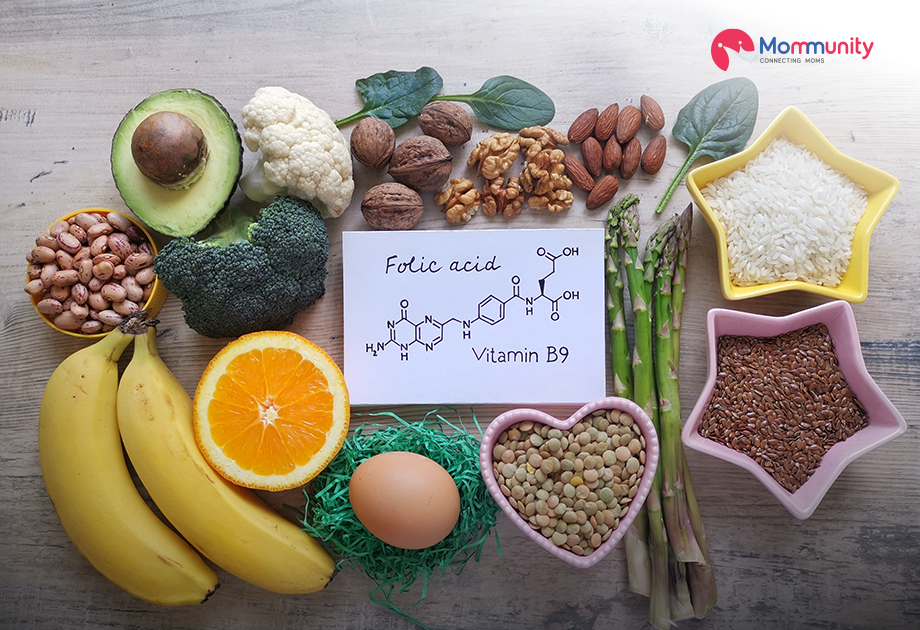
Preparing for pregnancy involves more than excitement and planning, it also means giving your body the building blocks it needs. If you’re thinking about conceiving (or already are), focusing on nutrients for pregnancy will help you feel stronger and support your baby’s healthy start. Here’s how to check your readiness and boost your diet with key vitamins and minerals.
Importance of good nutrition for pregnancy
When you decide to become pregnant or discover that you are pregnant, you have additional demands on your body. Your nutritional needs will increase to support:
- development of your baby’s organs and bones
- changes in your own blood volume, metabolism, and tissue development
- reducing the chance of complications (low birth weight, pre-term birth)
Knowing what nutrients you need gives you one more way to look after yourself and your future baby’s health.
Important nutrients to focus on
The following are some of the key nutrients you should consider. What it does, how much you might require, and food sources to use.
1. Folic acid (Folate)
What it does- Aids in the development of the neural tube (primitive structure for brain/spinal cord). It is especially important in early pregnancy.
Food sources- Leafy greens (spinach, kale), beans, lentils, and fortified cereals.
Pro tip- If you’re trying to conceive, you should start taking it right away. Many of the neural tube events happen before you even know you’re pregnant.
2. Iron
What it does- Supports your body in producing additional blood and transporting oxygen to your baby.
What you need- You will need more iron because your blood volume will increase.
Food sources- Lean red meat, poultry, fish, lentils, beans, and iron-fortified cereals.
Pro tip- If you’re vegetarian or vegan, have iron-rich plant foods that include vitamin C sources (to help absorb the iron).
3. Calcium + Vitamin D
What they do- Calcium is important for you and your baby to have strong bones and teeth, and vitamin D helps your body absorb calcium.
What you need- For example, about 1000 mg of calcium per day in most cases.
Food sources- Dairy (milk, yoghurt), fortified plant milks, broccoli, kale, sardines (with bones), eggs. Sunshine + fatty fish for vitamin D.
Pro tip- If you live in a place where you do not see too much sunshine (or cover up when outdoors), be sure to discuss vitamin D levels with your medical doctor.
4. Omega‑3 fatty acids (especially DHA/EPA)
Purpose- Support your baby’s brain and eye development.
Recommendation- Many guidelines recommend including omega-3s in your diet or via supplement.
Food Sources- Fatty fish (salmon, mackerel), flaxseed, chia seeds, walnuts.
Pro tip- Choose fish low in mercury, aiming for at least one good serving of omega-3-rich fish each week.
5. Other vitamins & minerals (Vitamin B, iodine, choline, magnesium, zinc)
What they do
- Vitamin B helps energy production and cell growth.
- Iodine supports the thyroid (which some of you may know plays a role in baby’s growth).
- Choline is associated with brain development.
- Magnesium and zinc support general health and muscle & nerve function.
Food sources- Whole grains, nuts and seeds, eggs, dairy, seafood (low‑mercury), beans.
Pro tip- If your diet is limited (vegetarian, vegan, or you avoid whole food groups), speak with your health provider about potential gaps.
Also Read: Easy Tips for Staying Healthy During Pregnancy
How to determine if your nutrient status is adequate
You can perform some simple check-ins to determine your nutritional readiness and make adjustments:
- Inspect your dietary pattern – Do you generally eat a variety of foods? Do you eat a lot of vegetables, lean protein choices, whole grains, and healthy fats?
- Consider risk factors – Examples include vegetarian/vegan, digestive issues, low body weight, excessive bleeding, or other medical diagnoses. These all increase the likelihood of having a gap in your nutrition.
- Consider having your doctor do an assessment – Your doctor can test you for things such as iron levels, vitamin D, and B12 (particularly if you are a vegetarian), and recommend outcomes accordingly.
- Consider prenatal vitamins, if recommended – Prenatal vitamins and supplements can assist gaps in your diet, but cannot replace high-quality food!
- Monitor symptoms – Specific symptoms can appear with a lack of nutrient intake, such as fatigue, hair loss, anemia, muscle cramps, and poor bone health. If you notice persistent occurrences, report them to your health care provider.

Common gaps and ways to resolve
- I don’t eat a lot of vegetables, or I feel nauseated.
Consider exposing yourself to one new vegetable a week. If nausea is an issue, try eating small amounts at frequent times during the day, ginger tea, or bland foods that are easier to tolerate.
- I’m a vegetarian vegan. Any missing nutrients?
Focusing on plant-based sources of protein (beans, lentils, tofu), nuts and seeds, grains, oat or whole-grain bread is key. You could also consider a supplement for key nutrients (e.g., B12, iron, or omega-3). You should discuss all dietary supplements with your doctor.
- I’m busy and respond by relying on convenience meals.
Using convenience products is not the same as eating nutrient-poor foods. Consider whole-grain bread, frozen vegetables, canned beans, grilled lean protein, or similar items. Just pay close attention to the ingredient list on the labels.
- I live in an area where sunlight is limited or the weather is not conducive to being outdoors.
Talk to your doctor about having a vitamin D level checked. You can get your vitamin D from fortified foods or supplements as needed.
- I’m already pregnant, and I do not think I will be able to get nutrients into my diet early enough.
You may still find it helpful. Your pregnancy nutrient needs likely continue throughout the entire pregnancy process. During this time, it would be important to focus on the quality of your nutrients. It would also be important to talk about this with your health care provider.
Practical daily actions you can start now
- Make half your plate vegetables or fruit at each meal.
- Swap refined grains for whole grains (brown rice, whole wheat bread).
- Choose lean protein sources- eggs, poultry, fish (safe varieties), beans.
- Include one dairy or fortified plant‑milk serving for calcium.
- Add one serving of fatty fish or a vegetarian omega‑3 source weekly.
- Take your prenatal vitamin (if recommended by your doctor) at the same time each day.
- Stay hydrated. Water supports nutrient transport and may help with common pregnancy symptoms.
- Keep track of your appetite, energy levels, and mood, these can hint at where you may need help.
Why focusing now matters
Beginning nutrient awareness before pregnancy gives you an even stronger foundation. It assists:
- On improving your body’s ability to adapt to the increased requirements of pregnancy.
- Offering early support to the developing baby very early weeks, before you even realize you’re pregnant.
- On potentially lowering your risk of complications like low birth‑weight, anaemia, or other maternal-child health issues related to nutrient deficiencies.
- You can influence your pregnancy’s health more significantly than you think with your food, lifestyle choices, and attitudes.
- Focusing on nutrients for pregnancy prepares you to take good care of yourself and your growing baby.
- If you reflect on your food intake, consider your risk factors, and take small steps each day, you can feel somewhat good that you’re making progress. Partner with your healthcare provider to tailor a plan to meet your needs.
Being nutrient-ready for conception is one of the best ways to support yourself and your baby. It’s not perfection, it’s about taking small steps each day that are meaningful. Eating a variety of whole foods, checking in with your clinician/providers, and being consistent with the basics will serve you well.
If you are actively trying to conceive, or you already are, now is a great time to reflect on your habits and where you might like to make changes. Every meal is an opportunity to nourish yourself and support your baby’s development.
FAQs
Q: I’m not pregnant yet, should I still worry about these nutrients?
Yes. Nutrient‑rich eating before conception supports your health and the early stages of development that happen even before you know you’re pregnant.
Q: Can a prenatal vitamin replace good food?
No. Supplements help fill gaps but can’t replace the benefits of a varied, nutrient‑dense diet with real foods.
Q: What if I have nausea and can’t eat much?
Try small, frequent meals. Focus on foods you tolerate. Choose nutrient‑dense options (e.g., beans, yoghurt, smoothies) and speak with your doctor if nausea is severe.
Q: Are prenatal vitamins all the same?
Not at all. Each brand and formulation will differ in the amounts of each nutrient included and the quality. Find a prenatal vitamin that includes folic acid, iron, calcium, vitamin D, iodine, and DHA, if possible. As always, talk to your doctor before starting a new supplement.
Q: Do I need to avoid certain foods while focusing on these nutrients?
Yes. There are some foods that reduce nutrient absorption or that won’t pose an added risk while pregnant. For example, limiting fish that may have high mercury (such as swordfish, king mackerel), refraining from eating raw or undercooked meat and eggs, and avoiding high caffeine intake.
Q: How long before trying to get pregnant should I be thinking about improving my diet?
At least a minimum of 3 months before conception, ideally. This gives your body time to stock up on these important stores, particularly folic acid, which is critical for early fetal development (often before a woman even knows she is pregnant).