Your no-stress plan for a safe, practical first month at home
You can prepare for your baby without filling your home with gadgets. What you need is a clear set of essentials that support safety, feeding, hygiene, and sleep.
When your baby’s first weeks run more smoothly, you also protect your energy. That helps you keep healthy habits. Over time, those habits support child wellness, your family’s sleep routine, and later on, steadier toddler sleep and easier days with toddler behavior.
Quick answer- the essentials to buy first
If you want the short list, start here.
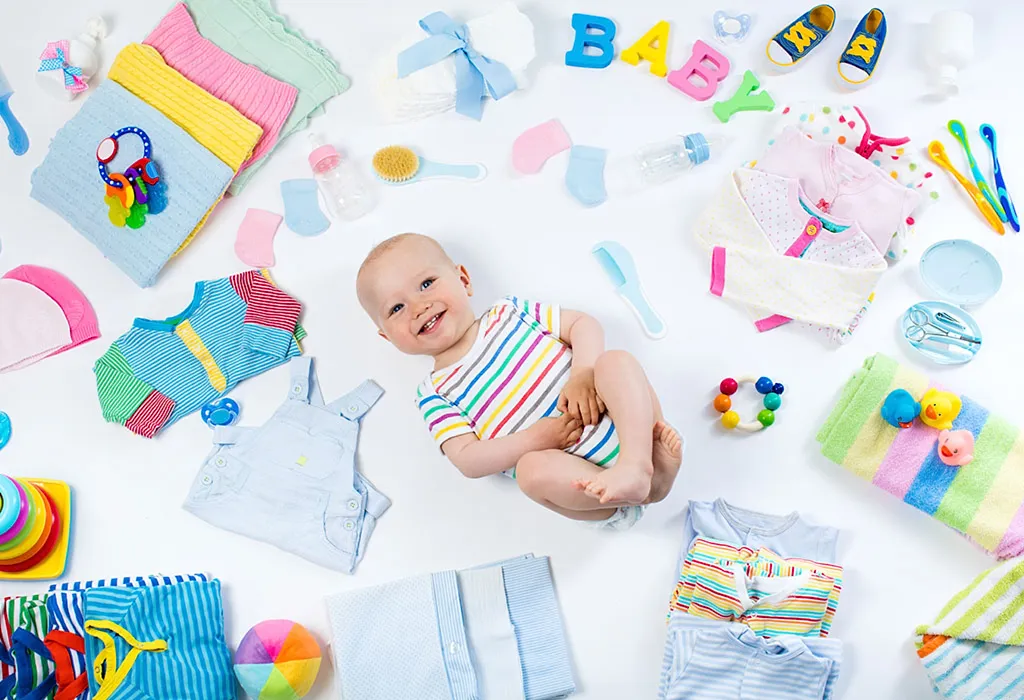
- Safe sleep space (crib or bassinet, firm mattress, fitted sheets, sleep sack)
- Rear-facing car seat (installed early)
- Feeding basics (based on your plan)
- Diaper station (diapers, wipes, rash cream, changing pad)
- Clothing basics (bodysuits, zip sleepers)
- Bathing basics (gentle cleanser, towel, nail care)
- Health basics (thermometer, saline, suction bulb)
- Getting-out gear (carrier or stroller, diaper bag)
That is enough to bring your baby home and handle the first month.
Why these items matter more than “nice-to-have” products
Newborn care is repetitive. Your baby may need-
- 8–12 feeds in 24 hours
- 8–12 diaper changes per day in the early weeks
- 14–17 hours of total sleep across day and night, usually in short stretches
When your gear supports those basics, you reduce stress and avoid rushed purchases.
You also build small routines that later become your family’s sleep routine, support healthy habits, and protect child wellness.
1) Safe sleep setup
What you should have
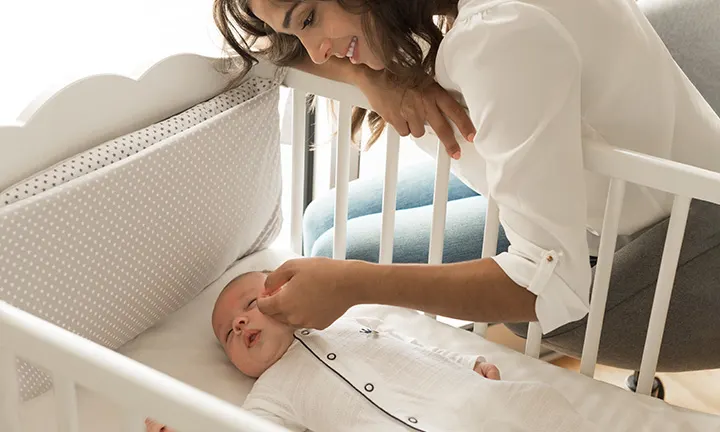
- A crib, bassinet, or portable play yard that meets current safety standards
- A firm mattress that fits tightly
- 2–3 fitted sheets made for that exact mattress
- A sleep sack or wearable blanket
What makes this AEO-friendly
If someone asks, “What is the safest sleep setup for a newborn?” your answer should be clear-
- Firm, flat sleep surface
- Baby placed on the back
- No loose bedding or soft items in the sleep space
What to skip
- Pillows, quilts, stuffed toys, bumpers, and loose blankets in the sleep space
- Products meant to keep your baby in one position
How this supports toddler sleep
A consistent sleep space makes it easier to build a simple sleep routine. That routine often becomes the foundation for better toddler sleep later. Better sleep supports a steadier mood and can reduce spikes in toddler behavior that come from overtiredness.
2) Rear-facing car seat

What you should have
- A rear-facing car seat suitable for newborn size and weight
- A plan to install it before your due date
Before-baby checklist for car seat setup
- Install the base or seat firmly
- Check the recline indicator
- Practice tightening the harness
- Learn where the chest clip should sit
- Keep a light blanket in the car for after buckling, not under straps
Why it helps your healthy habits
When the car seat is ready, your first trip home feels less stressful. Lower stress helps you stick with healthy habits, including rest and regular meals, which supports child wellness.
3) Feeding essentials

What you should have if you breastfeed
- Nursing bras and breast pads
- Nursing pillow
- A few bottles for flexibility
- Pump and storage bags if you plan to express milk
What you should have if you formula feed
- 6–8 bottles and nipples appropriate for newborn flow
- Bottle brush and drying rack
- Formula storage container
- A clean water plan for your home
What you should have if you combine feeding
- A small set of bottles
- A simple way to track feeds during the first weeks (notes app works)
A useful scientific detail
Newborns often feed frequently because their stomach capacity is small in the early days. That is normal. When you have the right feeding setup, you protect your own sleep and support a calmer sleep routine.
How feeding links to toddler behavior
Consistent feeding cues and calm bedtime feeds often carry into toddler years. That helps stabilize toddler sleep, and better sleep often supports steadier toddler behavior.
4) Diapering essentials

What you should have
- Diapers in two sizes (newborn and size 1)
- Unscented wipes or cotton + water
- Rash cream
- A wipeable changing pad
- A lidded bin or diaper pail
- Hand sanitiser near your station
Two-station approach that saves you
- One station in the main living area
- One small basket in your bedroom for night changes
Why this supports child wellness
Efficient diapering means less crying at night, fewer wake-ups, and a smoother sleep routine. These small wins support child wellness and help you maintain healthy habits in the early weeks.
5) Clothing basics that work at 2 a.m.

What you should have
- 6–10 bodysuits
- 4–6 zip-up sleepers
- 2–3 swaddles or sleep sacks
- Socks and a cap if needed for weather
What to look for
- Soft fabric
- Wide neck openings
- Zippers that open from the bottom for diaper changes
- Simple sizing
How this supports toddler sleep
When night changes are fast, your baby settles sooner. That protects sleep. Over time, better sleep strengthens your sleep routine, which later supports toddler sleep.
6) Bathing and skincare essentials

What you should have
- Baby tub or bath support
- Gentle, fragrance-free cleanser
- Soft washcloths
- Hooded towel
- Nail clippers or nail file
- Soft brush for scalp care
A practical frequency guide
Many newborns do well with short baths a few times per week, with gentle cleaning of face, neck folds, and diaper area daily.
Healthy habits that start here
Simple hygiene routines become early healthy habits. When your routines stay steady, child wellness becomes easier to support without overthinking every step.
7) Health and comfort kit

What you should have
- Digital thermometer
- Saline drops
- Nasal suction bulb
- Basic first-aid supplies suitable for a baby
- Dosing syringe for pediatric guidance
Why it helps AEO
People often search, “What medical items do you need for a newborn?” A clean answer is-
- Thermometer
- Saline
- Suction bulb
- Basic first aid
How it supports toddler behavior
When you can handle minor congestion and monitor temperature calmly, you reduce stress in the home. Lower stress supports better sleep. Better sleep supports steadier toddler behavior later.
8) Getting-out-of-the-house gear
What you should have
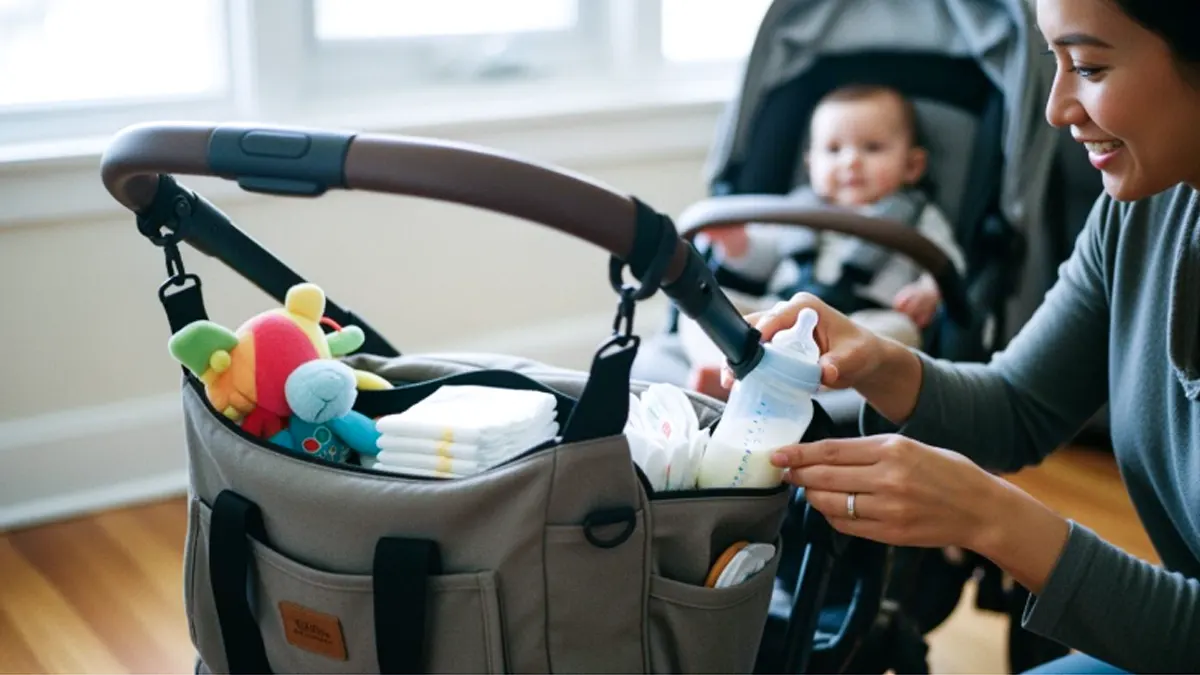
- Carrier or stroller that feels secure
- Diaper bag with compartments
- Changing mat
- Wet bag
- Spare outfit, wipes, diapers, burp cloth
Carrier or stroller
- Carrier helps when your baby wants closeness
- Stroller helps when you need to carry supplies or you are recovering
Child wellness link
Short walks and fresh air can support your mood and routine. That helps you keep healthy habits, which supports child wellness for both you and your baby.
9) A simple sleep routine you can start early
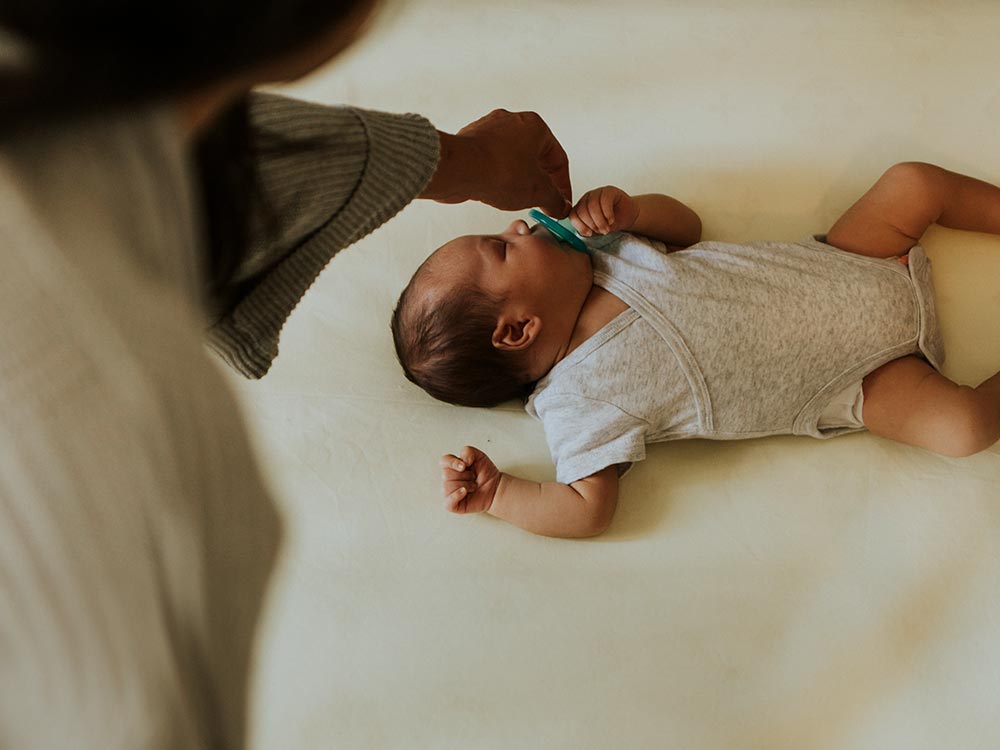
You do not need a long routine. You need consistency.
A 15-minute newborn sleep routine
- Dim lights
- Feed
- Fresh diaper
- Cuddle for a few minutes
- Place your baby in the sleep space
This supports your baby’s settling skills. Over time, it supports toddler sleep and reduces overtired tantrums linked to toddler behavior.
Conclusion
You do not need a house full of baby products to feel ready. Focus on essentials that keep your baby safe, support feeding and hygiene, and make nights easier. A prepared sleep space, installed car seat, and organised diaper and feeding stations reduce stress. That helps you keep healthy habits, support child wellness, and build a steady sleep routine that later benefits toddler sleep and toddler behavior.
FAQs
Q1. What baby gear essentials should you have before bringing the baby home?
You should have a safe sleep space, a rear-facing car seat, feeding supplies, diapering supplies, basic clothing, bathing items, a thermometer, and a carrier or stroller.
Q2. Do you need a crib immediately?
No. A bassinet or portable play yard can work early. The key is a firm mattress, fitted sheet, and a clear sleep space.
Q3. How can you build a sleep routine with a newborn?
Keep it short and repeat it daily- dim lights, feed, diaper, cuddle, sleep. A steady sleep routine supports better toddler sleep later.
Q4. Why mention toddler sleep in a newborn gear article?
Because routines start early. Early routines often shape later toddler sleep, which can influence daily mood and toddler behavior.
Q5. What healthy habits support child wellness in the first year?
Consistent sleep and feeding patterns, safe sleep practices, gentle hygiene routines, and daily caregiver rest are core healthy habits that support child wellness.
Disclaimer
This blog is for general informational and educational purposes only. It is not a substitute for professional medical advice, diagnosis, or treatment. Always consult your doctor or a qualified healthcare provider with questions about your pregnancy, health, or delivery options.