
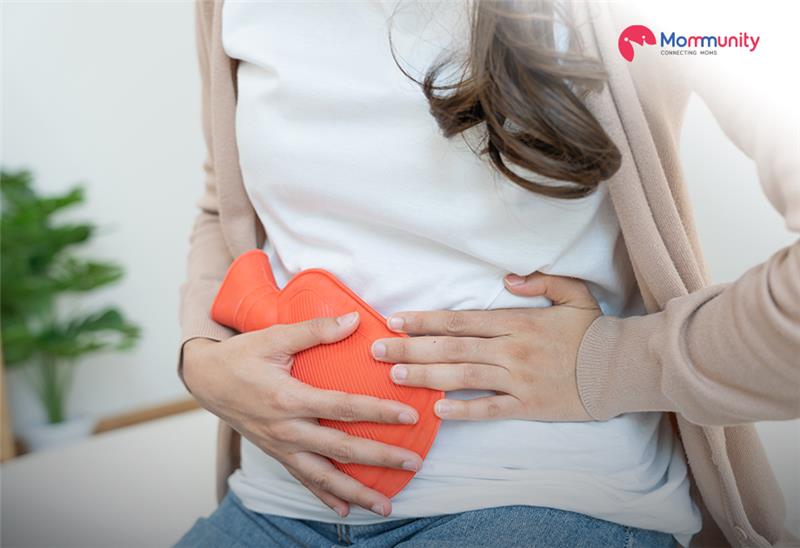
Trying to conceive and wondering what’s happening with your body? Cramps can raise all kinds of questions. Are they being caused by your cycle, or could they be associated with something else, such as implantation cramps? The similarities in the way the symptoms feel can create confusion, but armed with a bit of knowledge, you can begin to differentiate between them.
Implantation cramps refer to the cramping that occurs after a fertilized egg attaches to the uterine lining after ovulation, which generally takes place between 6-12 days after ovulation. Experienced during the early stage of pregnancy, some women may experience only slight discomfort, pulling, or sensitivity to touch on the lower abdomen. They can be shorter in duration and less intense than menstrual cramps. In some cases, women may not feel anything at all.
When Do Implantation Cramps Happen?
- Usually, 1 to 2 weeks after ovulation
- Often, a few days before your expected period
- Typically, before a missed period
If you’re tracking your cycle, you might notice this timing. It usually happens earlier than when your regular period cramps begin.
Description of Implantation Cramps?
- Mild/light cramping sensation
- A dull ache/pulling sensation
- Tingling sensation/slight pinching feeling
- Usually lasts for a few hours to 2 days
- Does Not Get Worse Over Time
Pain is only located in the lower abdomen, and is NOT radiating outwards like period cramps at times.
Differences between Implantation and Period Cramps:
To clarify the differences between implantation and period cramps:
Period cramps:
- Start 1-2 days before the start of your menstruation
- Last 2-3 days or more
- Typically, they feel stronger and more painful than implantation cramps
- Additionally, period cramps may also be accompanied by back pain, bloating, headache, and fatigue
- Period cramps may feel throbbing or intense
Cramps from implantation:
- Will occur before your menstrual cycle
- The lasting time span could be between 2 hours to 2 days
- Less intense than other forms of cramps, mild sensations of twinging or dull pressure
- Could be accompanied by very light spotting, but not as heavy as full flow
- It will not hinder you from functioning as normal throughout your day.
Bleeding/Spotting versus your menstrual cycle
Bleeding seems to be very light in amount and can appear as “spotting” before your menstrual period.
Implantation Spotting:
- It is usually a light brown or pinkish color.
- Lasts 1-2 days.
- Does not increase in volume.
- There will be no clots present.
Spotting from Period:
- It starts light, but becomes heavier as the week progresses.
- It has a bright red color.
- Lasts 3 to 7 days.
- May have clots present.
If the bleeding is very light in color and disappears rapidly, you are most likely experiencing implantation bleeding versus a typical monthly period.
Other Signs of Implantation
Along with light cramps, you might notice other early signs of pregnancy, such as:
- Tender or sore breasts
- Feeling more tired than usual
- Mild nausea or food aversions
- A slight rise in body temperature
- Bloating
- Light spotting
- Mood swings
These signs can feel similar to premenstrual symptoms, which is why they’re easy to confuse with them.
How Can You Tell the Difference?
Here are some tips for differentiating between these two conditions:
- Monitor Your Cycle – When you have identified your estimated ovulation days, and when you are most likely to start having your periods.
- When do they occur – Generally speaking, implantation cramps usually occur prior to or earlier than period cramps.
- Cramps – The sensation of your cramps plays a role and can help identify whether they are implantation cramps, they may feel mild and only last briefly.
- Spotting – Very light, pink, or brown discharge may indicate the possibility of implantation.
- Additional Symptoms- Early-on symptoms of pregnancy include fatigue, breast tenderness, nausea, and changes in urine frequency.
If you would like certainty regarding whether or not you are pregnant, take a home pregnancy test shortly after the due date of your period to determine if you are pregnant.
How Soon Can You Take a Pregnancy Test?

Even if you believe you have experienced implantation cramping, it is advisable to wait until you have missed your period before taking a pregnancy test. Your body must first produce enough HCG to be detectable with a home test. Most home pregnancy tests on the market say they can detect pregnancy as early as three days before a missed period, although the reliability of these tests increases if taken several days later.
When Should You See a Doctor?
Though most instances of cramping are harmless, there are other indications when it is wise to call your doctor regarding your cramping:
- Extremely painful or sudden cramps.
- Heavy menstrual bleeding.
- Dizziness and/or faintness.
- A foul-smelling discharge.
- Menstrual periods that are either very late or very irregular.
The above-listed symptoms may indicate other medical conditions or issues, such as hormonal imbalance, infection, or more severe conditions.
Why It Is Difficult to Know
What makes this decision more difficult is that both early pregnancy and menstrual symptoms contain a great deal of overlap. You may have cramping, bloating, tenderness in the breasts, and mood swings, among others, which may accompany both. Therefore, testing is the only way to conclusively determine pregnancy.
And remember, not everyone experiences implantation cramps. Some people don’t feel anything unusual, even if they are pregnant.
Different Experiences Of Implantation
The sensations associated with implantation vary depending on the individual’s biology. A few different descriptions of how implantation felt for some people are:
- A low-level, dull pain is felt intermittently.
- A slight sensation of pulling on one side.
- A slight application of pressure around your lower abdomen.
- Short, rapid jolts.
Others may not feel anything until their period has been missed.
This time period can be filled with anxiety and angst, with the time from ovulation to your expected menstrual cycle seeming to go on forever, especially if you are trying to conceive.
So What Happens If You Don’t Experience Any Symptoms Of Implantation?
Do not worry if you do not feel anything! Many women do not notice any signs of implantation (despite having an otherwise normal gestational experience). Pregnancy is possible without experiencing any signs in the early stages. If there are no pregnancy signs, you shouldn’t be concerned.
Self-Care During Your Wait
While you are waiting for your period or pregnancy test results, make sure you are:
- Getting plenty of rest (sleep)
- Hydrating your body with water, In doing so, you will also be helping your body produce the hormones necessary for implantation.
- Eating a healthy diet, including complex carbohydrates, fresh fruits, and vegetables, and protein (fatty fish, lean meats, and low-fat dairy products, legumes, nuts, etc.)
- Staying away from alcoholic beverages or smoking.
- The last point is important, try not to overthink about it too much, as we are aware that this part may be difficult for many people.
Mild exercise (e.g., walking) is a great way to relieve mild cramps and helps to decrease stress levels.
Trying to figure out if your cramps are from implantation or your period isn’t always easy. But paying attention to timing, pain levels, and other symptoms can give you some helpful clues.
A pregnancy test is still the best way to find out for sure. And if anything feels unusual or concerning, your doctor is the right person to talk to.
Also Read: How to Detect Pregnancy at Home Naturally and Accurately
FAQs
Is Cramping During Implantation Possible Without Spotting?
It is possible to experience cramping from implantation without seeing blood.
Can Cramping During Implantation Be Painful?
Cramping during implantation is generally mild and brief. If a person experiences severe pain, it is likely due to another cause.
Can Cramping from Implantation Occur Only on One Side of the Body?
Cramping from implantation can occur on one side of the body alone. The side of cramping will depend on the location of the implantation (the location of the fertilised egg).
When Can You Test for Pregnancy After Implantation?
You should take a pregnancy test after your expected menstrual cycle for accurate results.
Does Every Pregnant Woman Feel Cramping During Implantation?
No, most women do not have any symptoms during implantation.
Only for educational purposes.
Not to be used for legal medical purposes.
Consult your HCP first, always.