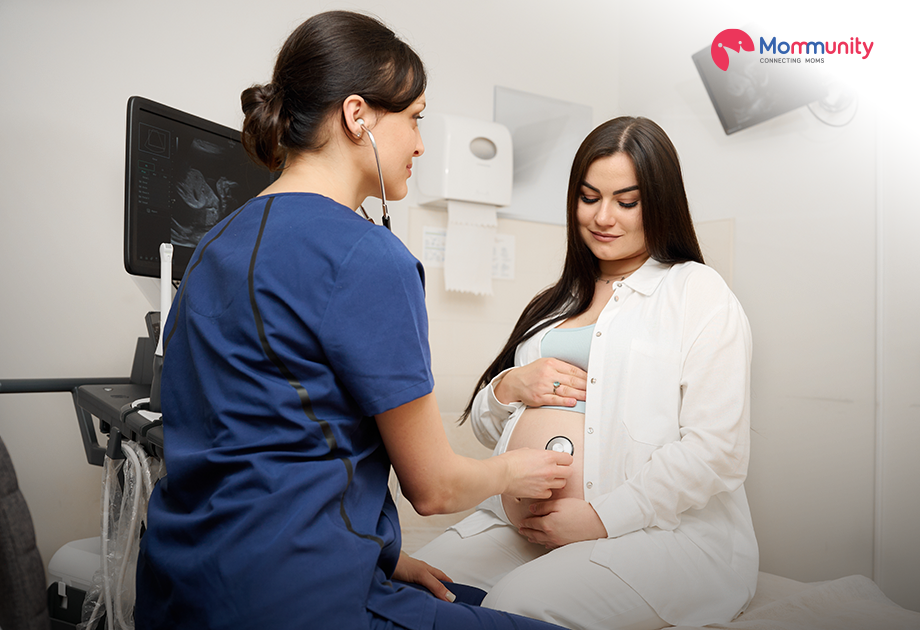
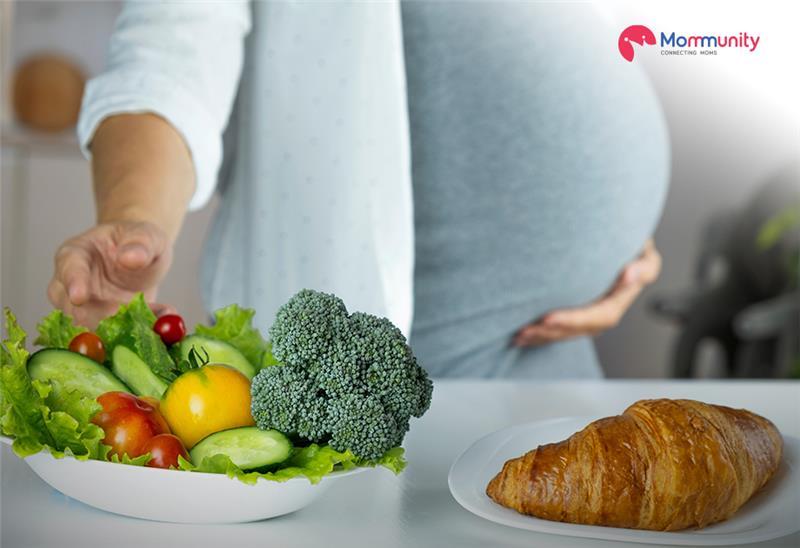
Women change their eating patterns throughout their pregnancy period. The feeling of hunger comes to people at unexpected times. Nausea makes all your meals taste unappealing to you. People experience cravings with strong intensity. The practice of mindful eating enables you to control your eating habits during pregnancy while you handle your daily responsibilities in transitional periods.
Mindful eating practice requires you to observe your hunger levels and your feeling of fullness and the flavors of food and your physical response to food.Your dietary choices become better through time which leads to better prenatal health and healthy pregnancy maintenance and consistent baby development.
What mindful eating means during pregnancy

Eating mindfully can mean many things. It is essential that mindful eating be done with the undivided attention of the individual.
You focus on-
- Your hunger level before you start eating
- The taste and texture of food while you eat
- Your comfort while digesting (bloating, reflux, nausea triggers)
- Your fullness level before you feel overstuffed
- Emotional cues (stress, worry, tiredness) that can change your appetite
Mindful eating needs more than perfect eating habits to be successfully practiced. The process requires people to first see their eating patterns before they can develop better eating habits which will help them during pregnancy.
Why mindful eating can support baby growth and prenatal health
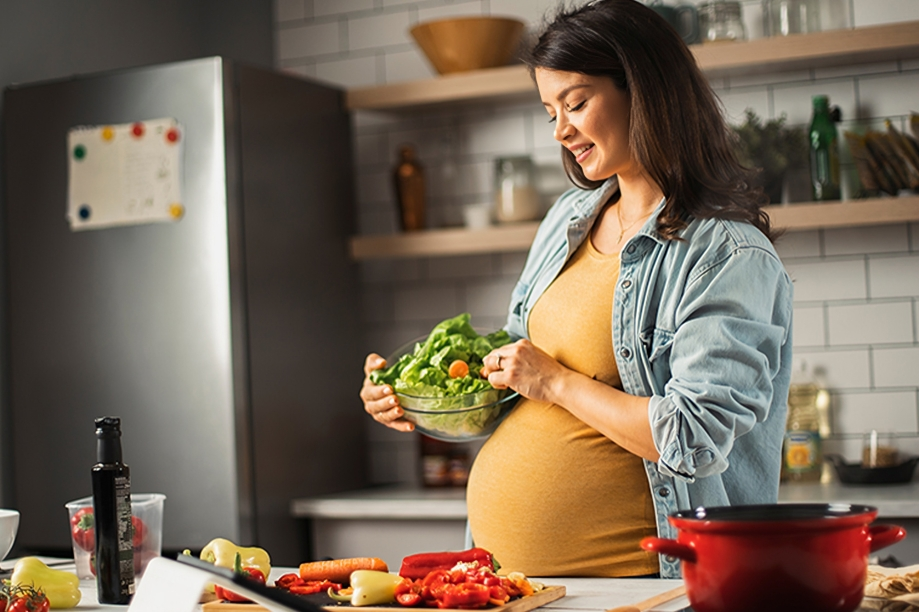
Your baby’s growth depends on multiple factors which include genetic factors, placenta function, existing health conditions and your complete nutritional intake. Your food choices matter because they enable you to obtain essential nutrients required for fetal growth while providing you with stable energy levels and maintaining healthy blood sugar levels which benefit your pregnancy health.
Mindful eating can help because it often leads to-
- More regular meals and planned snacks
- Less skipping meals, then overeating later
- Better awareness of reflux and nausea triggers
- More nutrient-dense choices for pregnancy nutrition
- A calmer relationship with cravings
Emerging research suggests mindful eating may be a promising target for metabolic health in pregnancy, especially in higher-risk groups, while noting that more research is still needed.
Scientific data that puts pregnancy nutrition in perspective

The phrase “eat for two” functions as a common saying. The body requires a gradual rise in calories while food quality establishes greater importance than consuming large quantities. The main medical source states that most pregnant women require 300 additional calories which they should consume as balanced protein and fruit and vegetable and whole grain foods during their pregnancy. Your personal needs can differ based on your body, activity, and pregnancy course.
Nutrition priorities often include key nutrients such as-
- Folate/folic acid
- Iron
- Calcium and vitamin D
- Iodine
- Choline
- Omega-3 fatty acids (DHA)
These nutrients are often observed as recommended nutrients in terms of maternal health and fetal growth.
A simple mindful eating method you can use today
Use this routine for meals and snacks. It supports mindful eating without turning meals into a project.
1) Pause for 10 seconds
Ask yourself-
- Am I hungry, or am I stressed, tired, or overwhelmed?
- What kind of hunger is this: stomach hunger, mouth craving, emotional hunger?
2) Build a basic plate
Aim for a steady pattern that supports pregnancy nutrition-
- Protein
- Whole grain or starchy food
- Vegetable or fruit
- Healthy fat
This pattern can support steady energy, help with satiety, and contribute to prenatal health and baby growth over time.
3) Slow the first five bites
Rushed eating can worsen heartburn for some people and can make it harder to notice fullness. Slowing your first few bites improves awareness.
4) Mid-meal check-in
Halfway through, ask-
- Am I still hungry?
- Do I want more, or do I want to stop and save the rest?
5) End with a neutral mindset
Mindful eating works best when you drop guilt. Pregnancy is not the time for harsh food rules.
Balanced meal templates for a healthy pregnancy
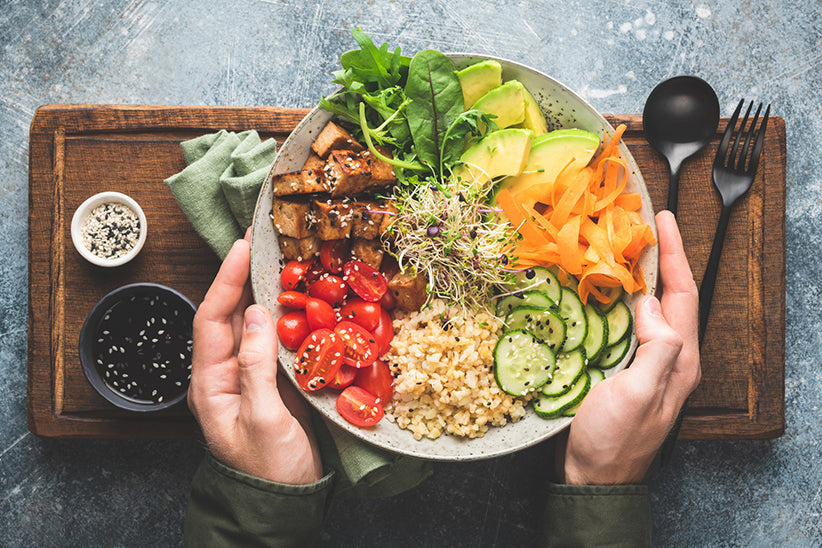
Meal templates keep your pregnancy nutrition consistent, even on days when appetite is unpredictable.
Breakfast options
- Vegetable poha + curd
- Idli + sambar
- Oats porridge + banana + a small handful of nuts (if tolerated)
- Besan chilla + chutney + fruit
Lunch options
- Rice + dal + sabzi + ghee
- Roti + paneer or egg curry + cooked vegetables
- Khichdi + curd + cooked vegetable
- Rajma/chole + rice + salad (soft textures if nausea is present)
Dinner options
- Roti + dal + cooked vegetables
- Rice + mild curry + vegetables + protein
- Daliya + vegetables + curd
- Soup + toast + paneer or egg (when appetite is low)
These are simple, repeatable patterns that support mindful eating and a healthy pregnancy.
Mindful snack choices that support baby growth
Snacks are useful during pregnancy, especially when nausea or reflux makes large meals hard.
Use a “two-part snack” approach-
- Carb + protein, or
- Fruit/veg + protein
Examples-
- Banana + curd
- Fruit + paneer cubes
- Roasted makhana + milk
- Toast + peanut butter (thin spread)
- Handful of nuts + fruit (as tolerated)
- Sprouts chaat (well-cooked if needed) + lemon
A pregnant woman’s diet can meet the protein, calcium, and iron requirements through snacks.
Managing common pregnancy symptoms with mindful eating
Nausea and vomiting

- Eat small portions every 2–3 hours
- Keep plain foods available
- Notice smell triggers and avoid them
- Prioritise hydration in small sips
Heartburn and reflux
:max_bytes(150000):strip_icc()/shutterstock_488109601_0-ab68493d35054329a46847fe41e1cca8.jpg "How Mindful Eating During Pregnancy Can Support Baby’s Growth and Mom’s Overall Wellness")
- Smaller meals, more often
- Avoid lying down soon after eating
- Track triggers with mindful eating (spicy, fried, large meals)
Constipation

- Add fibre through fruit, vegetables, and whole grains
- Add fluids across the day
- Include curd, soups, and warm fluids if they help
Cravings

Cravings are common. Mindful eating helps you respond without extremes.
Try this-
- Have a portion of the food you crave
- Pair it with a supportive food (curd, nuts, fruit, protein)
- Check satisfaction after 10–15 minutes
This supports a healthy pregnancy while keeping pregnancy nutrition realistic.
Prenatal supplements and prenatal health
The primary nutritional requirement for your body needs to be met through food before you can use supplements to fulfill your remaining needs. The NIH Office of Dietary Supplements notes that many healthcare providers recommend a daily prenatal supplement and that supplements may be essential for fulfilling fetal needs of folate and iron and iodine and vitamin D during pregnancy. Your clinician will provide guidance which you should follow according to your dietary intake and your observed health conditions and your test results.
Two short quotes worth saving
Mindful eating
“Awareness changes choices.”
Healthy pregnancy
“Consistency matters more than perfection.”
FAQs
Q1. Can mindful eating support baby growth?
Mindful eating enables better dietary intake which leads to increased meal consumption and fulfills pregnancy dietary requirements throughout the day.
Q2. What is the easiest way to start mindful eating during pregnancy?
Start with one habit: pause before meals, rate your hunger, and slow your first five bites. This builds awareness fast.
Q3. What should your plate include for prenatal health?
A steady pattern works well: protein, whole grains or starchy foods, vegetables or fruit, plus healthy fats. This supports prenatal health and helps keep energy steady.
Q4. Do you need extra calories for a healthy pregnancy?
Women need to increase their calories during pregnancy, according to medical experts who work with pregnant patients. A major medical source notes around 300 extra calories per day for many pregnant people, with personal variation.
Q5. Should you take a prenatal supplement?
Many clinicians recommend a prenatal supplement. The guidance explains that supplements help pregnant women reach their required folate/folic acid, iron, iodine, and vitamin D requirements. Follow your clinician’s plan.
The Final Note
Pregnant women who practice mindful eating can manage their cravings and nausea and appetite changes. People who listen to their bodies’ hunger and fullness signals will develop better eating habits because they will eat regularly and select healthy foods while controlling their symptoms which help them stay healthy and support their baby’s development with reduced stress and steady progress.
Disclaimer
This blog/article is intended for general informational and educational purposes only. It is not a substitute for professional medical advice, diagnosis, or treatment. Always consult your doctor or qualified healthcare provider with any questoons about a medical condition, symptoms, or treatments.