Why the Early Days of Motherhood Can Feel Overwhelming
The expected outcomes of parenthood include two main results that parents need to learn about. You may have expected to experience three different effects, which include body aches, interrupted sleep, and learning difficulties.
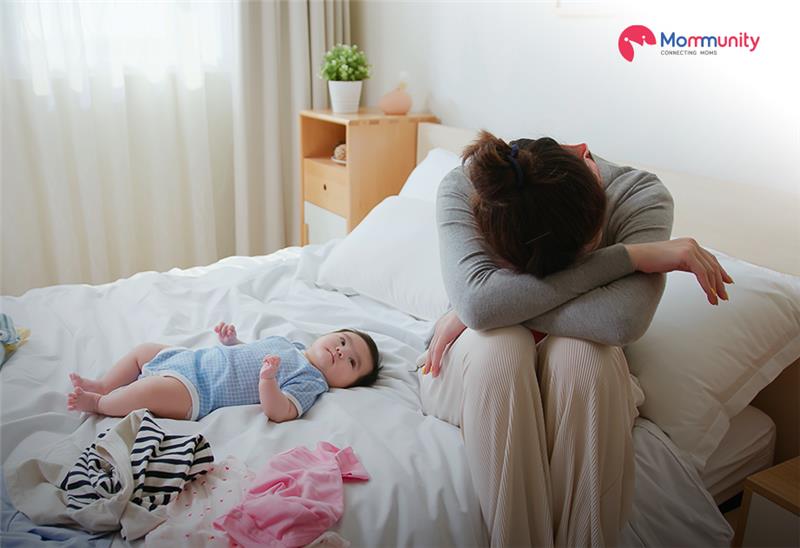
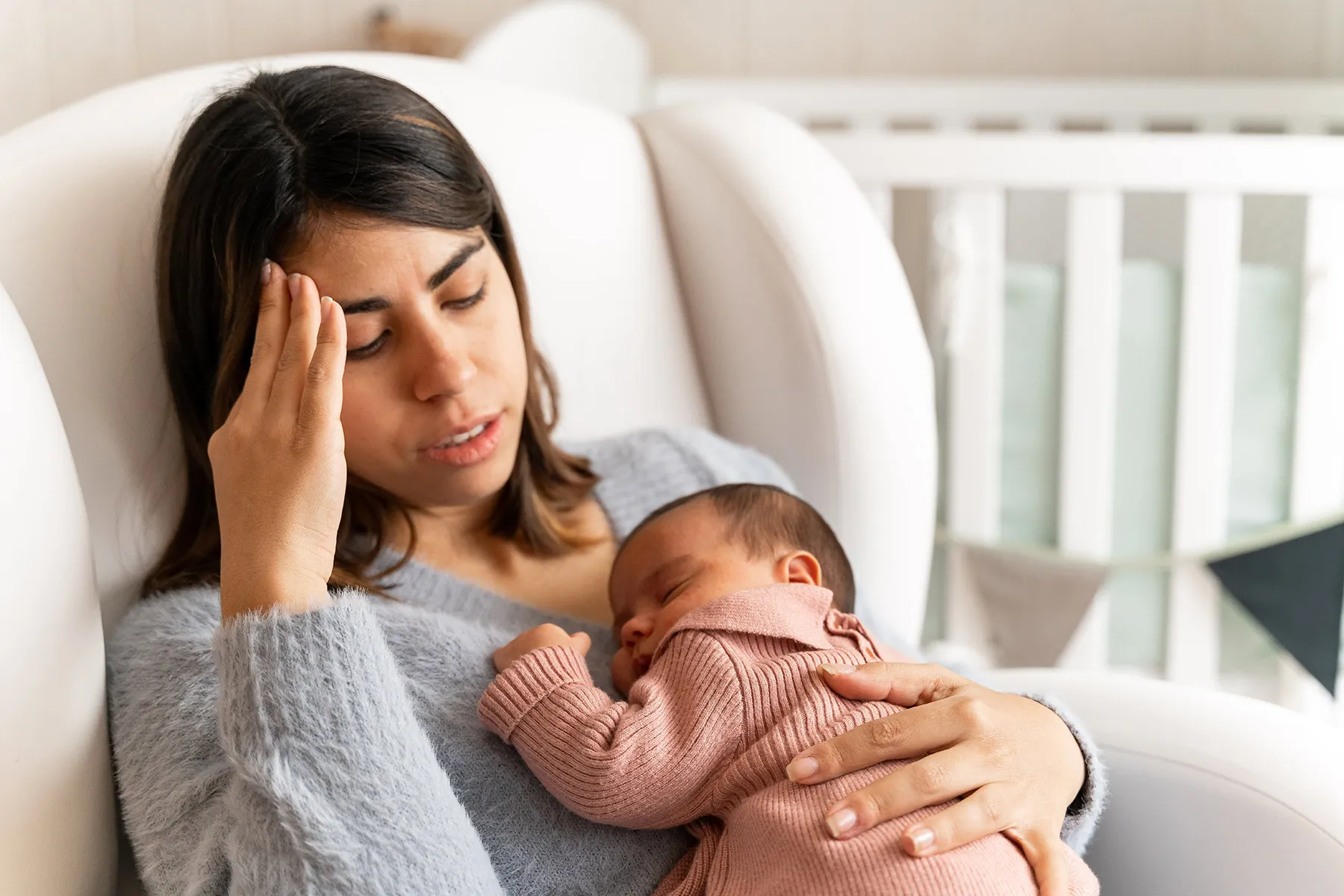
New mothers face an unexpected challenge which requires a detailed explanation. The house feels louder. The questions which you ask me work like weights that press down on me. The small issues which we face now appear to be more important than they actually are. All of these things start to become overwhelming when you combine a crying baby with an untidy bed and a ringing phone, a relative who gives you advice, and your own body pain.
Why the world can feel too loud after birth
The postpartum period creates an overpowering emotional experience. The situation includes three current conditions which you need to evaluate. Your body needs to recover from the experience of childbirth. Your body requires time to heal from your current postpartum situation. Your regular activities have vanished from your life. You will find it difficult to complete even basic tasks, which include getting dressed, answering messages and having a proper meal. Your brain operates at an ongoing state of alertness. You are listening for the baby, watching the baby, and anticipating the next feed, cry, nap, or worry. Your brain reaches a state of exhaustion because you maintain this level of concentration. People experience ordinary sounds as more intense because their body needs to handle increasing demands.
The main reason that emotional changes which follow birth become so intense lies here. Your body needs rest, but you must handle three different things at this moment.
Why new moms feel overwhelmed after birth
There is rarely one neat answer.
More often, it is a stack of pressures that builds up fast. Each one may seem manageable on its own. Together, they can leave you feeling stretched thin.
Common reasons include-
- Broken sleep
- Pain after delivery
- Breastfeeding struggles
- Hormonal changes
- Fear of making mistakes
- Too many opinions from others
- Visitors, when you need rest
- A baby who cries often or sleeps very little
- Little time to eat, shower, or sit quietly
- Pressure to feel happy all the time
When people say new moms feel overwhelmed after birth, this is often what they mean.
It may not look dramatic from the outside. You may still be smiling in photos, replying to messages, and doing what needs to be done. Inside, though, you may feel-
- Easily irritated
- Close to tears
- Restless
- Startled
- Mentally crowded
- Unable to switch off
That does not mean you are handling motherhood badly. It means you are overloaded.
What postpartum emotional changes can actually look like
Many mothers are told to expect mood swings, but that phrase often feels too vague to be useful.
Postpartum emotional changes can show up in ways that are easy to miss at first. You may cry more easily than usual. You may feel snappy with people you love. You may feel guilty for not being happier, or too alert to relax, even when the baby is asleep.
Some mothers become quieter. Some become more irritable. Some stay busy because slowing down makes their thoughts louder. Some look completely fine in front of others and then cry when they are alone.
Common signs include-
- Crying more easily than usual
- Feeling snappy with people you love
- Feeling guilty for not being happier
- Feeling emotionally flat
- Worrying constantly
- Feeling too alert to rest
- Feeling disconnected from yourself
- Feeling uneasy even when the baby is asleep
- Feeling touched out, mentally crowded, or unable to tolerate noise
That is why mental health after having a baby deserves more honest conversation. There is no one “correct” way distress looks in the postpartum period.
Baby blues or something that needs more attention
This is where many women get confused.
The baby blues are common in the first days after birth. You may feel tearful, emotionally sensitive, and more reactive than usual for many mothers, which settles with time, rest, and reassurance.
But sometimes the emotional weight does not ease. Sometimes it grows.
If the sadness, fear, panic, or emotional heaviness lasts longer, starts affecting your daily life, or makes it harder to function, it may be more than the baby blues. This is where new mom anxiety after childbirth and postpartum depression need to be taken seriously.
A lot of women expect depression to look like sadness. Sometimes it does. Sometimes it looks more like fear, constant tension, racing thoughts, dread, or feeling unable to relax.
What new mom anxiety after childbirth can feel like
New mom anxiety after childbirth often hides in plain sight.
From the outside, it can look like you are being careful, responsible, or highly attentive. Inside, it can feel relentless.
You may find yourself-
- Checking whether the baby is breathing again and again
- Feeling scared to sleep
- Replaying small mistakes in your head
- Searching for symptoms online late at night
- Feeling your heart race over small things
- Feeling panic build as evening approaches
- Struggling to relax, even when someone else is holding the baby
- Feeling sure that something bad is about to happen
This kind of anxiety is exhausting because it keeps your body in a state of tension. You are tired, but your mind refuses to rest.
That is one reason mental health after having a baby should be treated as part of postpartum care, not as an afterthought.
Why noise, advice, and touch can suddenly feel unbearable
A lot of mothers describe the same experience in different words.
They say-
- I cannot handle noise right now
- Everyone is talking too much
- I want people to stop asking me things
- Even small things make me cry
- I cannot bear one more opinion
- I feel irritated by everything
That response is often a sign of overload, not selfishness.
Your body is healing. Your sleep is broken. Your mind is on alert. You may be feeding a baby every few hours and getting almost no quiet time in between. When your system is already stretched, even normal household activity can feel too loud.
So if everything feels too much after birth, there is usually a reason. Your body and mind are asking for relief.
What matters most for mental health after having a baby

People usually ask practical questions after delivery.
They ask-
- Is the baby feeding well?
- Are you sleeping?
- Have your stitches healed?
- Is the baby gaining weight?
Those questions matter. But so do these-
- Are you feeling constantly overwhelmed?
- Are you scared more often than you expected?
- Are you getting any real rest?
- Do you feel like yourself?
- Do you feel safe in your own mind?
Your mental health after having a baby is part of your recovery. It is not separate from your physical health. It deserves attention, language, and support.
Signs you should not ignore
Some distress settles with time and support. Some need medical attention.
Please reach out to a doctor, therapist, or qualified mental health professional if you notice-
- Constant crying
- Ongoing panic
- Racing thoughts that will not slow down
- Feeling unable to cope most days
- Trouble sleeping even when the baby sleeps
- Loss of interest in daily life
- Feeling numb or detached for long stretches
- Fear that something terrible will happen all the time
Please seek urgent help right away if you have-
- Thoughts of harming yourself
- Thoughts of harming your baby
- Severe confusion
- Hearing or seeing things others do not
- Feeling disconnected from reality
You do not need to wait until things become unbearable. Asking for help early is a sensible step.
What can help when everything feels too much
The early postpartum period rarely improves because someone gives you one perfect piece of advice. It usually improves through small, practical support.
A few things can help.
Reduce unnecessary input
If visitors drain you, shorten visits. If messages overwhelm you, mute your phone. If people keep giving opinions you did not ask for, let someone close to you handle communication for a few days.
Less noise can help your system settle.
Protect small pockets of rest
You may not get a good night’s sleep. Even so, short protected rest matters.
Ask someone to-
- Hold the baby after a feed
- Take over burping or settling
- Watch the baby while you sleep for an hour
- Manage visitors so you can lie down
Rest does not need to be perfect to be useful.
Make help practical
When someone says, “Tell me what you need,” it can be hard to answer in the moment.
Try asking for specific things-
- Bring food
- Refill my water bottle
- Fold laundry
- Wash bottles
- Sit with the baby while I shower
- Keep the visit short
- Take the doorbell or phone calls
Small jobs can make a real difference.
Say what you actually feel
You do not need polished words.
You can say-
- I feel overwhelmed all the time
- I am more anxious than I expected
- I do not feel like myself
- I need help
- I need less advice and more support
Honesty helps the right people understand what is happening.
Eat and drink before you feel awful
This sounds basic because it is basic. Hunger, dehydration, and exhaustion can make postpartum emotional changes feel worse. Keep water nearby. Eat something simple, even if it is not a full meal.
Tell your doctor clearly
Do not downplay what you are going through.
Say if you are having-
- Daily crying
- Panic
- Intrusive thoughts
- Constant fear
- Poor sleep
- Emotional numbness
- Ongoing overwhelm
Clear language helps you get the right support faster.
What support may look like
There is no single right way to feel better.
Support may include-
- More rest at home
- Less pressure from family
- Help with feeding
- A follow-up appointment with your doctor
- Therapy or counselling
- A support group
- Medication if needed
Some mothers need help processing the birth itself. Some need help with anxiety. Some need support for depression. Some need a mix of emotional support and practical support at home.
Getting help does not mean you are not coping. It means you are taking your health seriously.
A few things many new mothers need to hear
- You can love your baby and still struggle.
- You can be grateful and still feel overwhelmed.
- You can have help around you and still feel lonely.
- You can have a planned pregnancy and still experience new mom anxiety after childbirth.
- You can be doing your best and still need support for your mental health after having a baby.
None of that makes you a bad mother. It makes you a mother who needs care, too.
A simple reminder for your family, too
If someone close to you has recently given birth, your support matters more than your advice.
What helps most is usually simple-
- Bring food
- Take over chores
- Keep visits short
- Ask how she is feeling, not only how the baby is doing
- Let her rest without making her feel guilty
- Encourage her to speak to a doctor if she seems persistently low or anxious
When new moms feel overwhelmed after birth, the people around them can either reduce the pressure or add to it. Choose to reduce it.
The Final Note
If everything feels too loud and too much after birth, please do not dismiss that feeling.
Sometimes it settles with rest, reassurance, and support. Sometimes it points to bigger postpartum emotional changes that deserve proper care. Either way, it matters.
When new moms feel overwhelmed after birth, they do not need judgment. They need rest, practical help, clear conversations, and medical support when needed.
If this article feels familiar, share it with someone close to you. A partner, friend, sister, or another new mother may need these words, too.
And if you are the one struggling, tell someone. You do not have to carry this quietly.
FAQs
Q1. Why do new moms feel overwhelmed after birth?
- New moms feel overwhelmed after birth because the postpartum period often brings sleep loss, pain, hormonal changes, feeding pressure, and constant responsibility all at once. That combination can make even simple tasks feel harder than usual.
Q2. What are common postpartum emotional changes?
- Common postpartum emotional changes include-
- Crying easily
- Irritability
- Anxiety
- Guilt
- Restlessness
- Emotional numbness
- Feeling too alert to relax
Q3. What does new mom anxiety after childbirth look like?
- New mom anxiety after childbirth can include-
- Racing thoughts
- Constant fear
- Repeated checking on the baby
- Panic at bedtime
- Trouble relaxing
- Feeling that something bad may happen
Q4. When should I ask for help with mental health after having a baby?
- Ask for help if your symptoms are lasting, getting worse, affecting daily life, or making it hard to sleep, function, bond, or feel safe. Seek urgent help right away if you have thoughts of harming yourself or your baby.
Q5. Are emotional changes after birth normal?
- Yes, some emotional changes after birth are common in the early days. But if the feelings become intense, persistent, or hard to manage, it is important to speak to a healthcare professional.
Q6. Can I love my baby and still feel overwhelmed?
- Yes. Loving your baby and feeling overwhelmed can exist together. Many mothers experience both at the same time.
Disclaimer
This blog/article is intended for general informational and educational purposes only. It is not a substitute for professional medical advice, diagnosis, or treatment. Always consult your doctor or qualified healthcare provider with any questions about a medical condition, symptoms, or treatments.