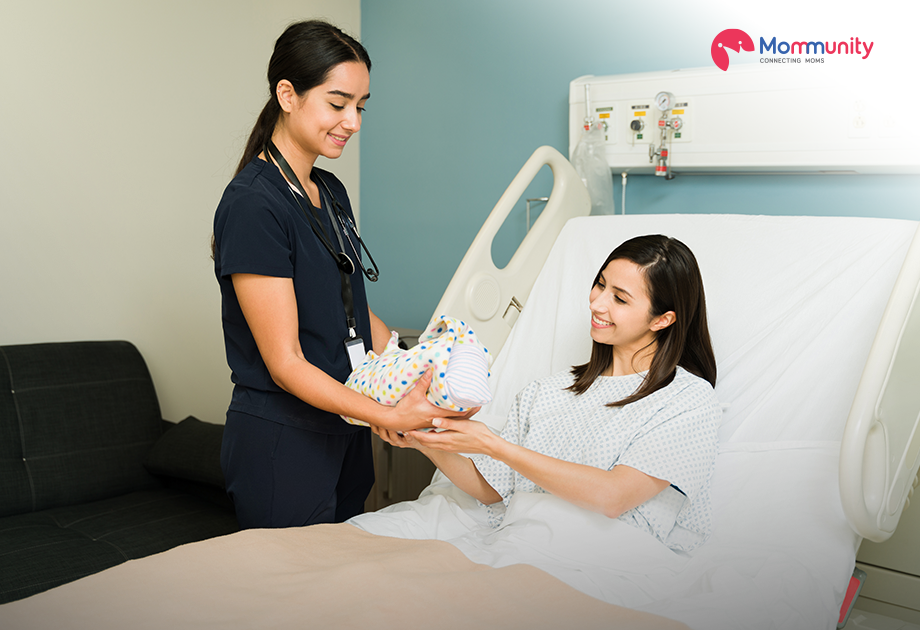

Why Visitor Rules Matter More Than People Realise in the First Few Weeks
Bringing your baby home changes the way you think about ordinary things. The initial visit from family members begins to create an emotional shift. You may feel happy about people visiting your newborn, even as your body needs rest and you lack the energy to entertain guests. Your emotional response to the situation follows a standard pattern.
In the first few weeks, your baby is still very vulnerable, and common infections can affect newborns more seriously than older children. RSV, for example, leads to hospitalisation for 2 to 3 out of every 100 infants under 3 months each year. That is one reason protecting a newborn from germs is so important at the beginning.
The good news is that you do not need a long list of complicated rules. The best newborn visitor guidelines are usually the simplest ones. When your rules are clear and easy to repeat, they are easier for other people to follow and easier for you to enforce without second-guessing yourself.
The Basic Rules That Matter Most
Start with a short set of boundaries that covers the biggest risks and keeps your home calmer.
- Healthy visitors only
- Wash your hands before touching the baby
- No kissing the baby
- Keep visits short
- Do not pass the baby around
- Avoid smoke exposure
- Postpone visits when you need rest
These newborn rules for visitors are usually enough to protect your baby without making every visit feel tense.
Why Visitor Boundaries Matter So Much in the Early Weeks
A visit after birth is never just a visit. It affects your baby, your feeding routine, your energy, and your recovery. Someone else may see a baby sleeping quietly and assume the house is calm. You may be bleeding, healing, learning to feed, sleeping in fragments, and trying not to get overwhelmed.
That is why newborn health and safety tips are not only about the baby. They are also about protecting the parent who has just given birth.
A visit can affect all of these things at once-
- Your baby’s sleep
- Your baby’s exposure to germs
- Your feeding rhythm
- Your own stress level
- The amount of noise in the room
- How much rest do you get afterward
Once you see it that way, boundaries stop feeling rude and start feeling sensible.
1. Do Not Allow Sick Visitors

This is the most important rule, and it should be the easiest one to hold. If someone has a cough, cold, fever, stomach upset, sore throat, flu symptoms, or says they are “probably fine,” that is enough reason to postpone. Very young babies do not need the risk, and you do not need the anxiety that comes with wondering whether you were too relaxed too soon.
You can keep this simple.
- “We would love to see you when you are fully well.”
- “We are only doing healthy visitors right now.”
- “Let’s wait a few days to be safe.”
You are not overreacting. You are doing exactly what protecting a newborn from germs looks like in real life.
2. Handwashing Is Not Optional
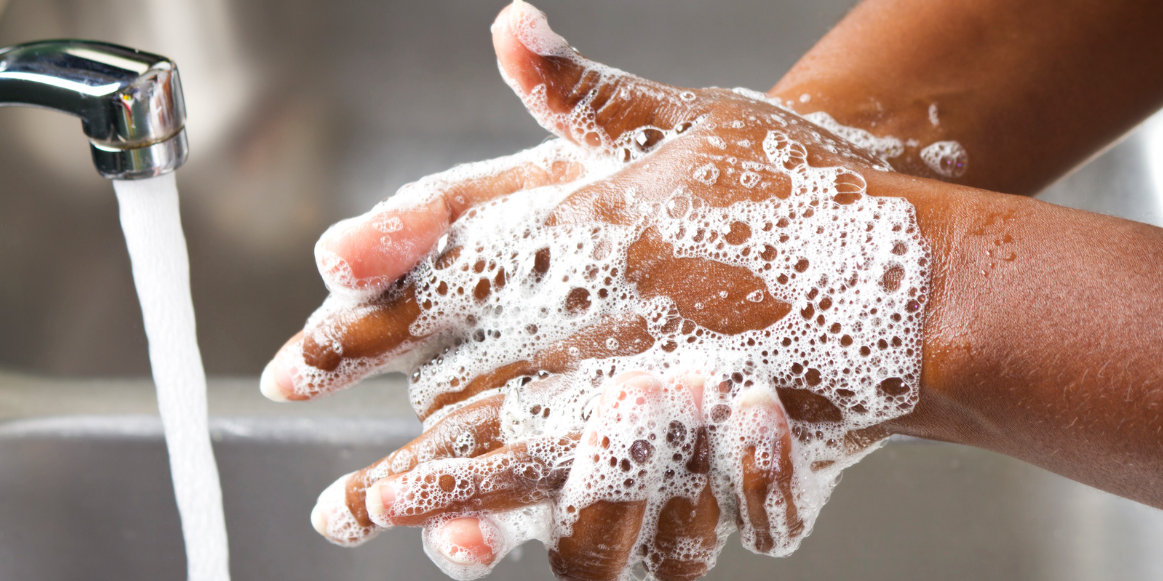
Handwashing is one of the clearest newborn visitor guidelines you can set, and it should happen before anyone touches your baby. Soap and water remove germs well, and hand sanitiser is the next best option when washing is not available.
A simple script works best.
- “Please wash your hands before touching the baby.”
- “The sink is right there.”
- “We are being extra careful right now.”
That is not awkward. It is basic newborn health and safety.
3. No Kissing the Baby

This rule makes some people uncomfortable, though it is still worth stating clearly. Kissing can spread viruses and infections, including cold sore viruses that can be dangerous for newborns.
Your rule can stay simple.
- No kissing the baby’s face
- No kissing the baby’s hands
- No kissing near the mouth or eyes
- No “just one quick kiss”
You do not need to turn it into a debate. You only need to say it once and repeat it when needed.
4. Keep the Circle Small at First
Many parents feel pressured to let everyone visit early, especially close relatives. There is no prize for doing that before you are ready. Smaller visits usually feel easier for everyone. They reduce noise, reduce extra handling, and make it much easier for you to notice when you are getting tired.
A calmer visiting plan often looks like this.
- One or two visitors at a time
- Close family first, if that feels right
- No surprise drop-ins
- No large groups
- No back-to-back visits in a single day
These newborn visitor guidelines protect your baby, but they also protect your peace.
5. Keep Visits Short

A visit can feel warm and manageable for fifteen minutes and draining by forty. That shift happens quickly when you are healing and trying to read your newborn’s cues. The easiest fix is to decide in advance that visits will stay short.
That may look like this.
- 15 to 20 minutes for casual visitors
- A little longer for close family
- Longer only for people who are actually helping
- One visit a day, if that is your limit
Short visits are often the difference between feeling supported and feeling invaded.
6. Meeting the Baby Does Not Always Mean Holding the Baby
This is one of the hardest things for some families to accept. A person can meet your baby without holding your baby. You are allowed to keep your newborn in your arms, in the bassinet, or asleep where they are. You do not need to hand the baby over to prove you are being polite.
This is especially reasonable when-
- Your baby is asleep
- Your baby is feeding
- Your baby has been fussy
- You do not want the baby passed around
- You are simply not comfortable with extra handling
You can say-
- “Baby is staying with me right now.”
- “Today is not a holiday.”
- “You can meet the baby without cuddles today.”
That is still a visit.
7. Be Clear With Close Caregivers About Vaccines
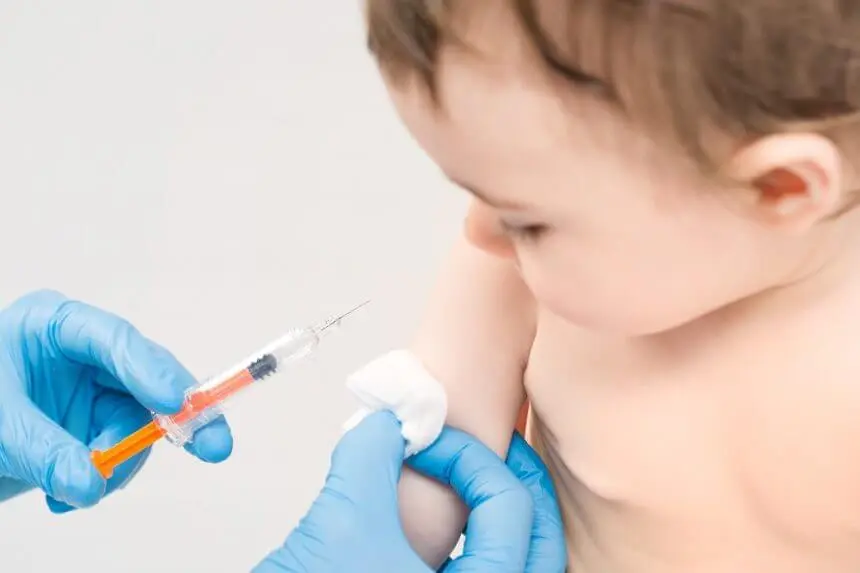
This matters more for the people who will be around your baby often than for someone dropping by briefly. Close family members and caregivers should stay up to date on routine vaccines, especially flu and whooping cough, because newborns are especially vulnerable to these infections.
This is most relevant for-
- Grandparents helping regularly
- Babysitters
- Relatives staying in your home
- Anyone who will have repeated close contact with your baby
This does not need to become a dramatic conversation. It just needs to be a clear one.
8. Do Not Ignore Smoke Exposure

Smoke exposure matters, even when people treat it casually. Babies exposed to secondhand smoke are at greater risk for serious problems, including SIDS and respiratory illness. Smoke residue can also stay on clothes, hands, and skin.
Reasonable rules include-
- No smoking in your home
- No smoking just before holding the baby
- Wash your hands after smoking
- Change outer clothing if needed
- No smoky cuddles close to the baby’s face
This is one more practical way of protecting newborns from germs and irritants.
9. Permit Yourself to Say No
This may be the hardest part of all. You are allowed to postpone a visit because you are tired. You are allowed to say no because the baby had a rough night. You are allowed to need a quiet day. None of those reasons needs to be made bigger to count.
It is completely valid to postpone because-
- You barely slept
- The baby is unsettled
- Feeding is hard today
- Your body hurts
- You feel emotionally stretched
- There are too many germs going around
- You simply do not want company
A disappointed adult is easier to manage than an overwhelmed parent or a sick newborn.
10. Know When Your Baby Needs Medical Attention

One reason parents become careful about visits is that newborns can get sick quickly. A fever in a very young baby is something to take seriously. A temperature of 100.4°F or 38°C in a baby under 3 months needs medical attention.
Call your doctor promptly if your newborn-
- Has a fever
- Feeds poorly
- Seems unusually sleepy
- Has breathing trouble
- Feels very unlike themselves
That is not a moment to wait and see.
What Actually Works Best at Home
The families who manage this well usually do not do anything dramatic. They decide on a few clear rules, they repeat them calmly, and they stop worrying so much about whether everyone approves. That is what makes newborn visitor guidelines work. Not perfection. Just consistency.
A very workable version usually looks like this.
- Delay visits if you need more time
- Healthy visitors only
- Wash your hands first
- No kissing
- Keep visits short
- Do not pass the baby around
- Avoid smoke exposure
- Say no without guilt
You do not need a “no visitors ever” rule to keep your baby safe. You do need boundaries. The best newborn rules for visitors are the ones you can actually stick to without confusion, resentment, or endless explanation.
Keep it simple.
- Healthy people only
- Clean hands
- No kissing
- Short visits
- Fewer people at a time
- No guilt for saying no
That is the right way to introduce visitors without risking your baby’s health.
Share this with the family group before the first round of baby visits starts.
FAQs
Q1. When can visitors meet a newborn?
Whenever you feel ready. There is no single perfect timeline. What matters is that visitors are healthy, your rules are clear, and you are not forcing yourself to host before you are ready.
Q2. What are the most important newborn visitor guidelines?
The basics usually matter most.
- No sick visitors
- Handwashing first
- No kissing
- Short visits
- Fewer people at a time
- No unnecessary handling
Q3. Why are people so strict about kissing newborns?
Because kissing can spread germs, including cold sore viruses and respiratory infections. In the early weeks, babies are more vulnerable, so this is one rule worth being firm about.
Q4. Should close families have vaccines before meeting a newborn?
For people who will be around your baby often, being up to date on vaccines, especially flu and whooping cough, is strongly encouraged.
Q5. When should you worry after a visit?
Speak to your doctor promptly if your newborn seems unwell, has a fever, feeds poorly, is unusually sleepy, or has breathing trouble.
Disclaimer
This blog/article is intended for general informational and educational purposes only. It is not a substitute for professional medical advice, diagnosis, or treatment. Always consult your doctor or qualified healthcare provider with any questions about a medical condition, symptoms, or treatments.