

How to Tell If Your Baby Is Feeding Enough in the Early Days
In the first few days, feeding can take over your whole head.
You feed your baby, then wonder if it counted. Your baby falls asleep, and now you are thinking maybe they were too sleepy to drink properly. An hour later, they fuss again, and you are left asking the same question: are they still hungry, or is this something else?
That worry is very common.
If you are searching for the signs baby is not feeding enough, the best place to start is not with one difficult feed. It is with the pattern across the day. Wet diapers, swallowing, hunger cues, alertness, and weight over time usually tell you much more than one crying spell ever will.
Quick Answer
If you want the short version, check these first-
- wet diapers
- stool pattern
- swallowing during feeds
- How alert your baby is at the breast or bottle
- whether your baby seems satisfied after at least some feeds
- weight gain over time
The clearest warning signs are usually low diaper output, weak or very sleepy feeds, poor swallowing, and poor weight gain.
Why This Worry So BigFeels
Feeding is one of the first major jobs of new parenthood, and it can feel strangely hard to measure.
If you are breastfeeding, you cannot see ounces going into the baby. Even if you are bottle feeding, a baby may still snack, pause, spit up a little, or cry for reasons that have nothing to do with hunger. Some babies cluster feed in the evening. Some sleep heavily. Some want to be at the breast often, even when they are not taking a full feed.
That is why so many parents start searching for newborn feeding signs. They are trying to answer a question that is not always obvious in the moment.
The reassuring part is this- babies usually do give you useful information. You just have to know where to look.
Start With Hunger Signs, Not Crying

A lot of parents wait for crying and then assume that means the baby is hungry.
Crying can mean hunger, but it is often a late sign. By that point, your baby may already be upset, which can make feeding harder.
The more useful signs are the early signs of hunger that newborn babies often show before crying starts. These are also common breastfeeding cues newborn babies use to tell you they are ready to feed.
Watch for-
- stirring from sleep
- opening the mouth
- turning the head and rooting
- bringing hands to the mouth
- sucking on fists or fingers
- lip smacking
- small searching movements with the mouth
What Good Feeding Can Look Like

When feeding is going well, the signs are often quiet and ordinary.
Your baby may begin with quicker sucks, then settle into deeper rhythmic sucking. You may notice swallowing. Their cheeks often stay rounded while feeding. Their body may soften or relax afterward. Sometimes their fists unclench. Sometimes they simply look calmer.
Useful newborn feeding signs that suggest things are going reasonably well include-
- active sucking, not just light fluttering
- visible or audible swallowing
- rounded cheeks during feeding
- a baby who stays engaged for part of the feed
- a baby who often seems calmer after feeding
- regular wet diapers
- weight gain over time
Signs Baby Is Not Feeding Enough

This is usually the real question underneath all the worry.
The signs baby is not feeding enough are easier to spot when you stop looking only at crying and start looking at your baby’s full pattern.
Pay closer attention if your baby-
- has fewer wet diapers than expected
- seems very sleepy and hard to wake for feeds
- latches but does not suck much
- sucks briefly, then gives up often
- Rarely seems to swallow
- seems weak during feeds
- stays unsettled after most feeds and also has low diaper output
- is not gaining weight well
- Looks more jaundiced and is also feeding poorly
Diapers Tell You More Than You Think
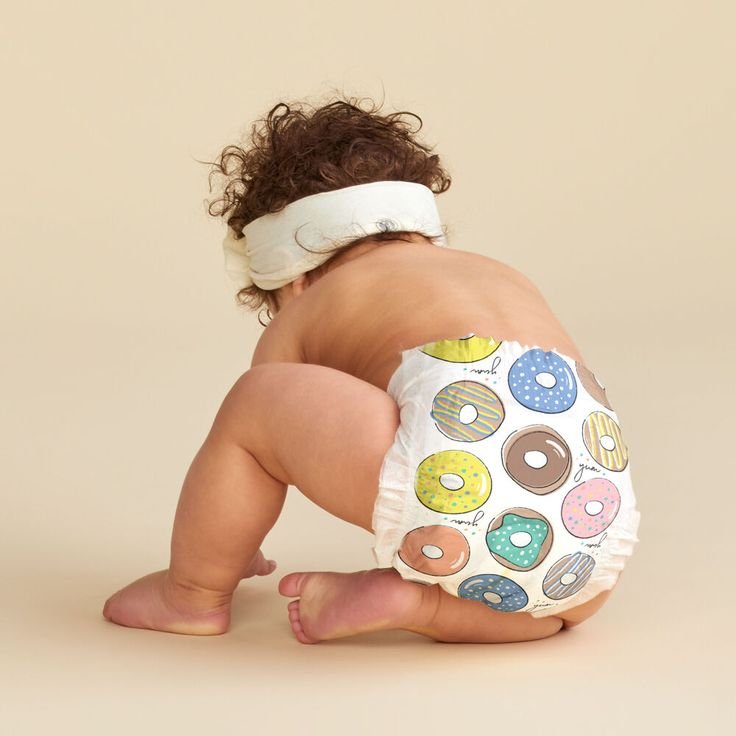
If you feel unsure whether your baby is feeding enough, diapers are one of the best reality checks you have.
In the first few days, output builds gradually. After that, most babies should have regular wet diapers every day. Stool patterns also change during the early newborn period.
You should watch more closely if you notice-
- very few wet diapers
- dark urine after the first day
- a sudden drop in diaper output
- stools that stay scant for too long
- diapers that do not feel properly wet for long stretches
Low diaper output does not always mean there is a serious problem, but it is one of the clearest reasons to stop guessing and get support.
Hunger Signs in Infants Can Be Easy to Miss

Not every baby announces hunger in a big, dramatic way.
Some babies are clear. Others are quiet, especially in the first days. Learning hunger signs in infants takes a little practice.
A hungry baby may-
- stir before fully waking
- turn toward touch on the cheek
- nuzzle at your chest
- Open the mouth repeatedly
- suck on a hand
- make small sucking noises
- become restless before crying begins
These subtle signs are often easier to respond to than full crying.
Crying Does Not Always Mean Hunger

This is where feeding worries get tangled.
A crying baby may be hungry. But babies also cry because they are-
- tired
- gassy
- overstimulated
- uncomfortable in a wet diaper
- too warm or too cold
- wanting contact and comfort
So if your baby has been fed recently, it helps to pause and look at the whole picture. At the same time, if your baby is crying often, is hard to settle, and has low diaper output or poor feeding, that warrants more attention.
What If Your Baby Is Very Sleepy During Feeds
A sleepy newborn can make feeding feel much more worrying.
Some babies latch, suck a little, and drift off almost immediately. That can happen at the beginning, but if it continues and the baby is not actively feeding, it can interfere with intake.
You can try-
- skin-to-skin before feeds
- offering a feed when your baby first stirs
- changing the diaper before feeding
- gently rubbing the feet, hands, or back
- switching sides when sucking slows early
If this keeps happening and diaper output is low, ask for help sooner rather than later.
What Can Look Worrying Even When Feeding May Still Be Okay
Some feeding patterns look alarming, but are not always a sign that your baby is not getting enough.
Parents often worry about-
- cluster feeding in the evening
- wanting to feed again soon after a short nap
- frequent feeding during growth spurts
- fussing at the breast because of fast flow
- softer breasts after the early weeks
- wanting comfort as well as milk
That matters because fussiness at the breast does not automatically mean “not enough milk.”
When to Call a Doctor or Lactation Professional
You do not have to wait until things feel severe.
Please contact your doctor, pediatrician, midwife, or lactation consultant if your baby-
- is hard to wake for feeds
- is not having enough wet diapers
- seems too weak to feed well
- has a dry mouth
- is not swallowing much during feeds
- is losing too much weight or not gaining properly
- seems more yellow and is feeding poorly
- makes you feel that something is simply off
What You Can Do Today If You Are Worried
If your mind is spiraling, come back to a few practical checks.
Check these first
- How many wet diapers has your baby had today
- whether stools are happening as expected
- whether you can hear or notice swallowing
- whether your baby is waking enough to feed
- whether feeds seem active or mostly sleepy
- whether your baby settles after at least some feeds
Then take these next steps
- Feed when you notice early hunger cues
- do more skin-to-skin
- Do not delay feeds unnecessarily
- Get the latch checked if breastfeeding is painful or ineffective
- Ask for a weight check if you are unsure
- Get professional help early if output is low
Small action usually helps more than silent worry.
A Reminder Many Parents Need to Hear
A feeding worry can make you doubt yourself very quickly. You may feel that everyone else understands their baby better. You may wonder why you are still trying to work out whether the last feed “counted.” That feeling is common. It does not mean you are doing this badly. It means you are learning. Some babies are easy to read. Some are not. Some feeds go smoothly. Some do not. None of that means you are failing.
The Final Note
If you are worried about signs the baby is not feeding enough, do not judge the whole day by one difficult feed.
Watch for hunger signs in infants before crying begins. Learn the early signs of hunger that newborn babies often show. Notice the breastfeeding cues newborn babies give when they are ready to feed. Check diapers. Watch swallowing. Keep an eye on weight. And if something feels off, trust that feeling enough to ask for help. You do not have to figure out every feeding question alone.
FAQs
Q1. How do I know if my baby is not feeding enough?
A. Look at the overall pattern, not just one feed. Common signs baby is not feeding enough include low wet diaper output, weak feeding, very sleepy feeds, poor swallowing, and poor weight gain.
Q2. What are the early signs of hunger in a newborn?
A. Common early signs of hunger newborn babies show include stirring, rooting, hand-to-mouth movements, sucking on fists, and lip smacking.
Q3. What are normal breastfeeding cues in a newborn?
A. Common breastfeeding cues newborn babies show include rooting, turning toward the breast, opening the mouth, sucking motions, and bringing hands to the mouth.
Q4. How many wet diapers should a newborn have?
A. After the first few days, most babies should be having regular wet diapers every day. If wet diapers stay low, it is worth speaking to your doctor or lactation professional.
Q5. Does crying always mean hunger?
A. No. Crying is often a late hunger sign. Babies also cry because they are tired, uncomfortable, overstimulated, gassy, or want to be held.
Q6. When should I call a doctor about feeding?
A. Call sooner if your baby has too few wet diapers, seems very sleepy, feeds weakly, is hard to wake, or if you are worried about weight gain or dehydration.
Disclaimer
This blog/article is intended for general informational and educational purposes only. It is not a substitute for professional medical advice, diagnosis, or treatment. Always consult your doctor or qualified healthcare provider with any questions about a medical condition, symptoms, or treatments.