Silent Anger Post Pregnancy- What Many Mothers Feel but Rarely Say
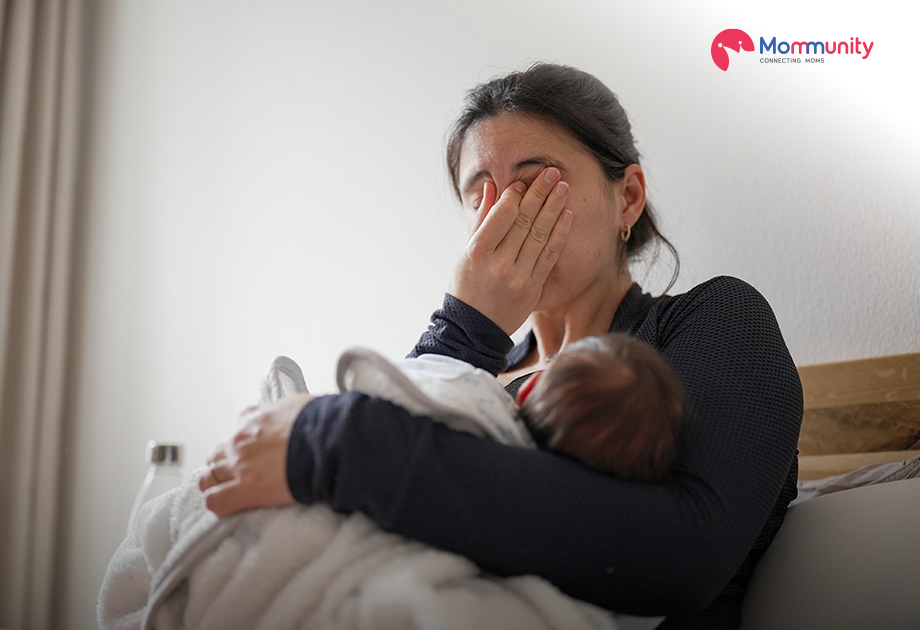
You may have expected tears after birth. You may have expected tiredness, body pain, and sleepless nights. What you may not have expected was anger. The quiet kind. The kind that sits under your skin all day and makes one small thing feel too much.
A lot of mothers go through this and do not say it out loud. That is why so many women search for silent anger post pregnancy in private. They feel ashamed for being irritated, resentful, or constantly on edge when they thought they were supposed to feel only love and gratitude.
If this sounds familiar, you are not alone. And you are not a bad mother.
Why this kind of anger feels so hard to talk about

People are comfortable talking about sadness after birth. They understand crying. They understand a mother saying she feels tired. They do not always know what to do with a mother who says she feels angry all the time.
So you may hide it. You may tell people you are just tired or hormonal. You may keep functioning through the day while feeling stretched thin inside.
That is how silent anger issues often grow. Quietly. Slowly. In the background.
What silent anger can look like
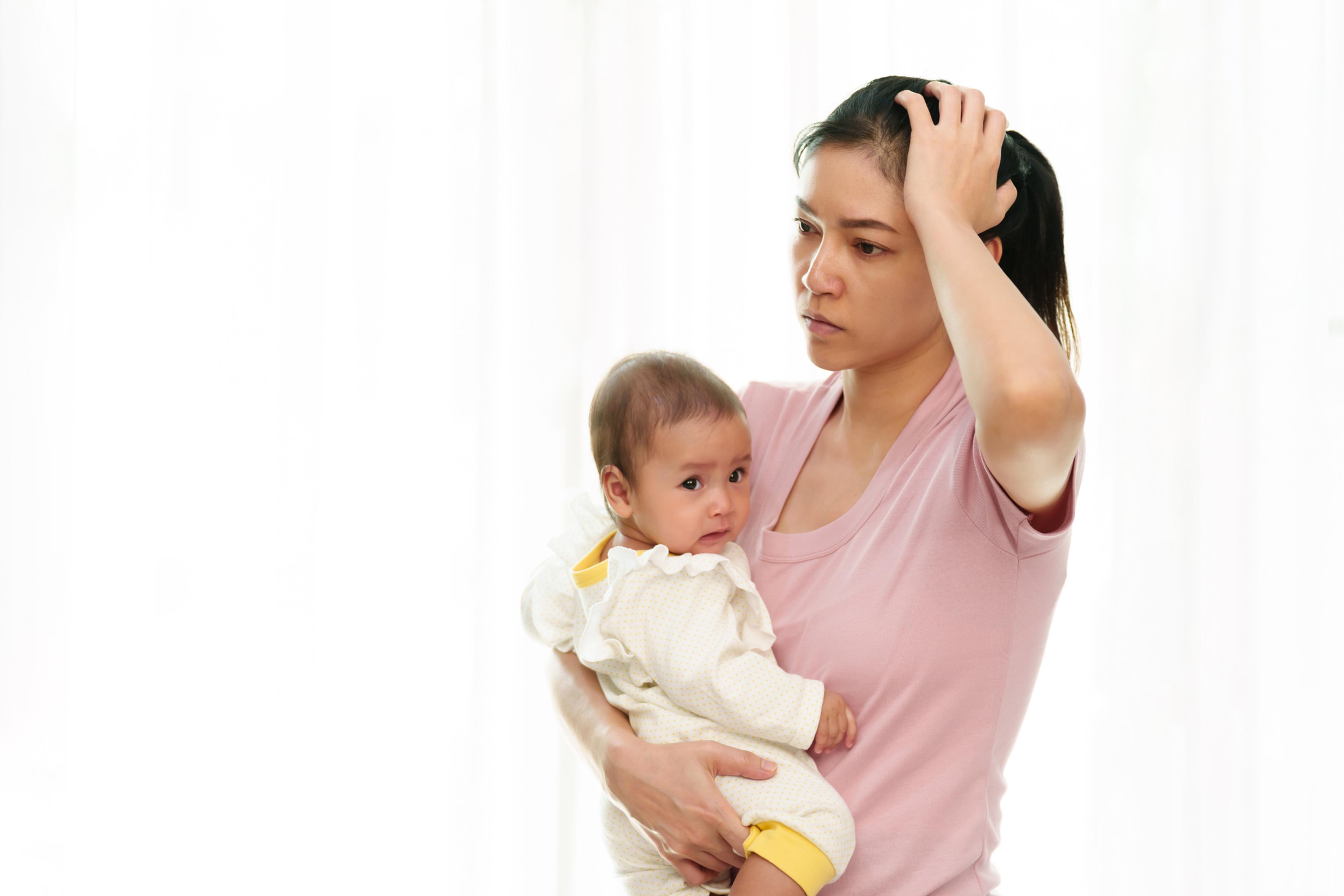
This does not always look dramatic. It is often much quieter than people imagine.
You may notice that you-
- Wake up already irritated
- Feel tense when the baby cries again
- Get upset over small things that normally would not matter
- Feel resentful when your partner gets rest and you do not
- Go silent because you are scared of what you might say
- Cry after being angry
- Feel guilty after every sharp reply
- Want everyone to stop asking something from you
- Feel touched out and desperate for space
That is why anger issues after childbirth can be easy to miss. From the outside, you may still look fine. Inside, you may feel tired, angry, and emotionally worn down all day.
Why recovering from giving birth can make emotions feel bigger

Recovering from giving birth is not only physical. Yes, your body is healing. But at the same time, your sleep is broken, your hormones have shifted, your routine has disappeared, and your baby needs you constantly.
You may also be dealing with pain, feeding stress, bleeding, body discomfort, visitors, advice, noise, and the mental load of remembering everything. Even basic things such as eating, bathing, or sitting down for ten quiet minutes can feel hard.
That is a lot for one person to carry.
Anger usually does not come from one single thing. It often comes from many small pressures building up without enough rest or support.
Common reasons include-
- Lack of sleep
- Physical pain after birth
- Feeding struggles
- Hormone shifts
- Loneliness
- Too much noise and interruption
- Feeling unsupported
- Feeling invisible
- Having no real break
When anger may be part of something deeper

Sometimes anger is mainly a stress response. Sometimes it is also part of a bigger postpartum mental health struggle.
This is important because depression after recovering from pregnancy does not always look like crying or obvious sadness. For some mothers, it looks more like irritability, numbness, restlessness, resentment, or emotional distance.
Pay closer attention if your anger comes with-
- Low mood most days
- Constant anxiety
- Panic
- Hopelessness
- Numbness
- Feeling detached from your baby
- Trouble sleeping even when you get the chance
- Loss of interest in things you used to care about
- Scary thoughts that keep returning
If this is happening, please do not dismiss it as “just stress.” It deserves attention.
What actually helps

You do not need a perfect routine right now. You need relief. You need support that makes daily life easier, not advice that adds pressure.
A few simple things can help-
- Say the real thing out loud
“I feel angry all the time” is a hard sentence, but an important one. - Notice the pattern
Is the anger worse in the evening, after a rough night, during cluster feeding, or when visitors stay too long? - Drop one task
Let one thing go. The house does not need to look perfect. Replies can wait. - Ask for practical help
Ask for food, a shower break, thirty minutes alone, help with laundry, or someone to hold the baby. - Protect one stretch of sleep
Even one longer block of rest can make a difference. - Eat before you crash
Hunger and anger are a rough mix in the postpartum weeks. - Get help early
Talk to a doctor, therapist, or mental health professional if the anger is not easing.
What your partner and family need to understand

You do not need to be told to calm down. You do not need to hear that all mothers go through this. You do not need to be reminded to be grateful.
You need support.
The people around you can help more by asking-
- What feels hardest today?
- What can I take off your plate?
- Have you eaten?
- Do you want company or quiet?
- Can I take the baby for a while?
Sometimes silent anger issues begin to soften when you stop carrying everything alone.
What you may need to hear most
- You can love your baby and still feel angry.
- You can feel grateful and still feel overwhelmed.
- You can be trying your best and still need more help.
Silent anger post pregnancy does not mean there is something wrong with your character. It usually means something in your body, mind, or daily life needs attention.
That matters.
Recovering from giving birth can bring more than pain and tiredness. It can bring silent anger issues that no one warned you about. It can bring anger issues after childbirth that leave you feeling ashamed, confused, and alone. It can also be one way depression after recovering from pregnancy begins to show itself.
Whatever the reason, you deserve support.
If this feels familiar, start with one step-
- tell one safe person the truth
- ask for one kind of practical help
- speak to a doctor or therapist if it is not easing
You do not need to wait until you hit your limit.
FAQs
Q1. Is silent anger post pregnancy common?
Yes. Many mothers feel more irritable, snappy, resentful, or emotionally worn down after birth than they expected.
Q2. Are anger issues after childbirth always postpartum depression?
No. Sometimes anger happens on its own. Sometimes it shows up alongside anxiety or depression after recovering from pregnancy.
Q3. Why does recovering from giving birth make emotions feel so intense?
Because you are healing physically while dealing with sleep loss, hormonal changes, feeding stress, pain, and nonstop responsibility.
Q4. When should you ask for help?
Please ask for help if-
-
the anger lasts more than two weeks
-
it keeps getting worse
-
it affects your daily life
-
bonding feels harder
-
you feel hopeless, numb, panicked, or scared of your own thoughts
Q5. What is the first step if this sounds familiar?
Start small.
-
tell one safe person how you really feel
-
ask for one practical form of help
-
book an appointment if the anger is not easing
Disclaimer
This blog is for general informational and educational purposes only. It is not a substitute for professional medical advice, diagnosis, or treatment. Always consult your doctor or a qualified healthcare provider with questions about your pregnancy, health, or delivery options.