
Simple Changes That Support Fertility
Your dietary choices and your daily routines during the conception process will have a greater impact on your success than you currently realize. The ability to conceive depends on both reproductive organs and the foods you consume and the physical activity you perform and the full spectrum of your body care practices.
The guide provides scientific and experiential fertility tips which help you enhance your pregnancy possibilities. The changes you make will produce significant results whether you are expecting your first child or returning to pregnancy after some time.
Why Lifestyle Matters for Conception
Your body needs to maintain equilibrium for successful reproduction. Three vital components are needed for reproduction which include proper hormone levels and regular ovulation and adequate nutrient intake. The body systems respond to three main factors which include stress conditions and sleep deficiencies and particular types of food. The good news? You have the ability to control most of these elements.
Key Lifestyle Changes to Support Fertility
- Maintain a Healthy Weight
Both underweight and overweight individuals can experience irregular cycles. Even small changes in gaining or losing 5–10% of your body weight may improve ovulation. - Prioritize Sleep
Aim for 7–9 hours of quality sleep per night. Sleep affects hormone production, including those that regulate ovulation and egg quality. - Move Your Body Regularly
Gentle exercise, like walking, swimming, or yoga, improves blood flow, reduces stress, and supports metabolism. Avoid intense workouts that stress your body too much. Moderation is key. - Manage Stress Thoughtfully
Stress does not directly stop conception, but it can disrupt hormones. Practices like deep breathing, journaling, or short digital breaks can help calm your system. - Limit Alcohol and Quit Smoking
Smoking reduces egg and sperm quality. Alcohol can affect hormone levels. Reducing or stopping both is one of the easiest fertility tips to implement quickly.
The Role of a Fertility-Friendly Diet

Your body needs the right fuel to support pregnancy diet goals even before you conceive. The right nutrients support egg health, hormone balance, and overall reproductive function.
Here is what to focus on-
Fertility-Boosting Foods
- Leafy greens (spinach, kale) provide high amounts of folate and iron.
- Whole grains (quinoa, oats, brown rice) assist in maintaining proper insulin levels.
- Nuts and seeds (almonds, flaxseeds, pumpkin seeds) serve as excellent sources of zinc and selenium together with healthy fats.
- Fatty fish (salmon, sardines) contain elevated levels of omega-3s which help maintain hormonal balance.
- Lentils and beans provide plant-based protein together with folate content.
- Berries and citrus fruits contain antioxidants which safeguard the integrity of eggs.
- Eggs and dairy products supply essential protein together with vitamin D content.
Foods to Limit
- Processed sugar and refined carbs – These substances create problems for insulin and hormone equilibrium
- Trans fats (fried food, margarine) – They decrease women’s ability to become pregnant
- Caffeine – Users should restrict their daily intake to less than 200milligrams
- High-mercury fish (tuna, swordfish) – The fish can disrupt hormonal systems that control reproduction
Smart Supplements to Consider
Before starting any, consult your doctor-
- Folic acid (400–600 mcg/day) – Reduces the risk of birth defects
- Vitamin D – Supports hormonal health
- CoQ10 – May support egg quality
- Iron and B12 – Important if you follow a plant-based diet
- Zinc – Supports hormone balance in both men and women
Male Fertility Matters Too

Pregnancy is often associated with the woman only. Yet, men, too, should wonder about their healthy habits.
Simple lifestyle changes can improve sperm count and motility-
- Quit smoking and limit alcohol
- Avoid hot baths and tight underwear
- Eat zinc-rich foods (pumpkin seeds, eggs, meat)
- Stay active but avoid overtraining
- Get enough antioxidants (berries, green tea, leafy greens)
Fertility Tips by Cycle Phase
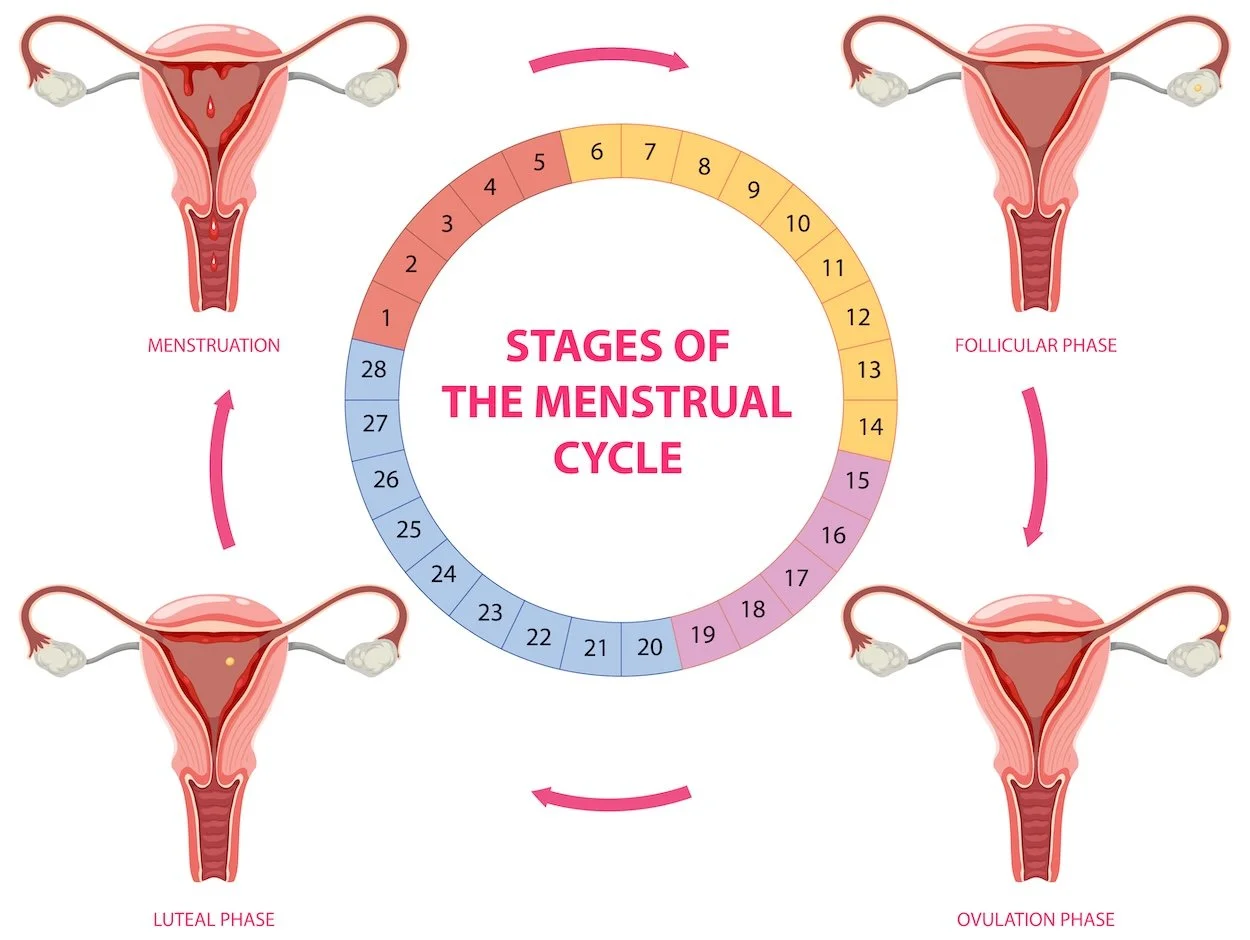
- During Your Period-
- You need to eat foods that contain high levels of iron to restore your energy levels.
- The combination of mild exercise and drinking fluids will assist in reducing muscle cramps.
- Follicular Phase (Days 6–14)-
- Eat more raw vegetables and lean protein while consuming omega-3 fatty acids.
- People should include physical activities such as brisk walking and strength training in their daily routines.
- Ovulation Window (Days 14–16)-
- You must maintain adequate water intake throughout the day.
- The best way to manage your stress levels is to maintain low stress levels while you sleep.
- You should make building connections with your partner through communication the main focus of your day.
- Luteal Phase (Days 16–28)-
- Consume warming foods rich in vitamin B
- Reduce caffeine toxin with good digestion energy.
Tracking your menstrual cycle through an application or basic journal system enables you to coordinate your dietary choices and personal care activities with your fertility period.
Realistic Expectations
Fertility is affected by multiple elements, which include parameters that we can control and factors that remain beyond our control. The time required to achieve pregnancy reaches several months as healthy habits lead to successful conception.
Things to keep in mind-1
- Most couples conceive within 6–12 months of trying
- Ovulation tracking can help time intercourse
- If you are under 35 and have not conceived after a year, check with a fertility specialist
- If over 35, seek guidance after 6 months of trying
The concept of being proactive includes taking action before an emergency occurs. The process of providing your body with required nutrients enables it to achieve optimal performance.
The Final Note
Fertility does not come down to just one thing. The way people achieve fertility requires multiple small decisions which include their dietary choices and sleep patterns and physical activities and personal health management and their partner’s health management. Your current lifestyle modifications and your careful selection of pregnancy nutritional needs create a healthier environment which supports your ability to conceive.Your long-term health will improve through these habits which will also increase your fertility although they require time to show results.
FAQs
Q1. How soon should I start making lifestyle changes before trying to conceive?
A. Ideally, 3–6 months before trying, to give your body time to reset and build nutrient reserves.
Q2. Can being underweight or overweight affect fertility?
A. Yes, Both extremes can interfere with ovulation and hormone balance.
Q3. Is plant-based eating good for fertility?
A. Yes, as long as you include protein, iron, B12, and healthy fats.
Q4. How often should we try during the fertile window?
A. Every 1–2 days around ovulation usually offers the best chance.
Q5. Do stress and mental health really impact getting pregnant?
A. Yes, Chronic stress can affect ovulation and hormonal balance. Mental health matters just as much as physical health.
Disclaimer
This blog/article is intended for general informational and educational purposes only. It is not a substitute for professional medical advice, diagnosis, or treatment. Always consult your doctor or qualified healthcare provider with any questions about a medical condition, symptoms, or treatments.