Why Teething Feels Harder at Night and What You Can Do Right Away
The process of bedtime runs without problems until your toddler starts to chew and drool and cry and wake up multiple times during the night. The situation changes because teething causes this behavior to occur. Your child experiences increased discomfort at nighttime because of three factors that combine to create a more painful experience. Research has discovered that teething causes local discomfort which manifests through symptoms including drooling and gum rubbing or biting and irritability and mild temperature elevation and sleep disturbances.
Quick answer
To calm a teething toddler fast, start with safe teething remedies-
- A chilled teether from the fridge (not the freezer)
- A clean-finger gum massage
- Cold soft foods if your child already eats solids
- Drool rash care
- A predictable bedtime routine
If pain clearly disrupts sleep or feeding, contact your pediatrician to discuss safe toddler pain relief options.
7 teething remedies that soothe toddler pain fast

If your toddler is in tears and chewing everything, then this list is a good place to start. It is designed for quick and safe solutions.
1) Chilled teether (fridge, not freezer)

Cold can reduce gum soreness for short bursts.
- Keep a teether in the fridge so it’s ready
- Offer it for 2–3 minutes
- Take a short break
- Repeat as needed
Tip- Avoid freezing solid teethers. Very cold surfaces can irritate gums and may be uncomfortable.
2) Clean-finger gum massage

This often works faster than people expect.
- Wash your hands well
- Sit your toddler upright on your lap
- Use your clean finger to rub the sore gum in small circles
- Continue 1–2 minutes, then stop before your child gets frustrated
If your toddler bites, switch to a silicone finger toothbrush.
3) Chilled washcloth to chew

Low-cost, simple, and effective.
- Wet a clean washcloth
- Chill it in the fridge
- Tie a small knot at one end
- Let your toddler chew while you watch closely
Always supervise. If the cloth starts to fray, replace it.
4) Cold soft foods (only if solids are already established)
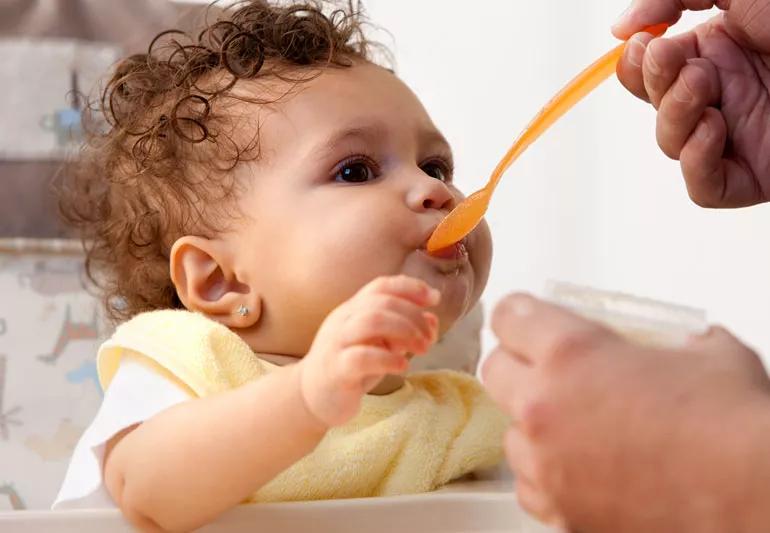
If your child already eats solids, cold foods can calm gums and help hydration.
Options that usually work well-
- Chilled curd or yogurt
- Cold fruit puree
- Mashed cold banana
- Soft, cold khichdi texture (cooled to a safe temperature)
- Unsweetened applesauce served chilled
Skip hard foods that can break into chunks.
5) Drool rash protection
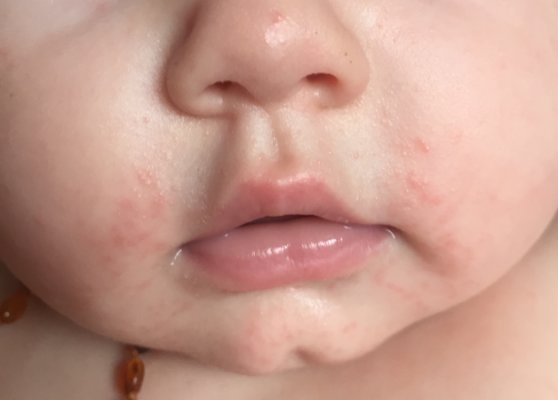
Drool is not just messy. It can irritate the skin and make your child more uncomfortable.
- Pat (don’t rub) around the mouth and chin
- Apply a thin layer of a gentle barrier (petroleum jelly or a simple fragrance-free barrier cream)
- Change bibs often so the skin stays dry
6) Safe chewy comfort items
Your toddler wants pressure on the gums. Give them the right tools.
Choose-
- Toddler-safe teethers with one solid piece
- Food-grade silicone teethers
- Teething toys designed for your child’s age
Avoid-
- Hard items that can chip teeth
- Toys that can crack into pieces
- Anything with small detachable parts
7) Calm contact and predictable soothing

This is the remedy people forget because it feels “too simple.”
- Hold your toddler close
- Rock gently
- Use a slow, quiet voice
- Keep your responses steady and familiar
When your toddler is uncomfortable, your calm body language helps your child settle.
Teething toddler symptoms you might notice
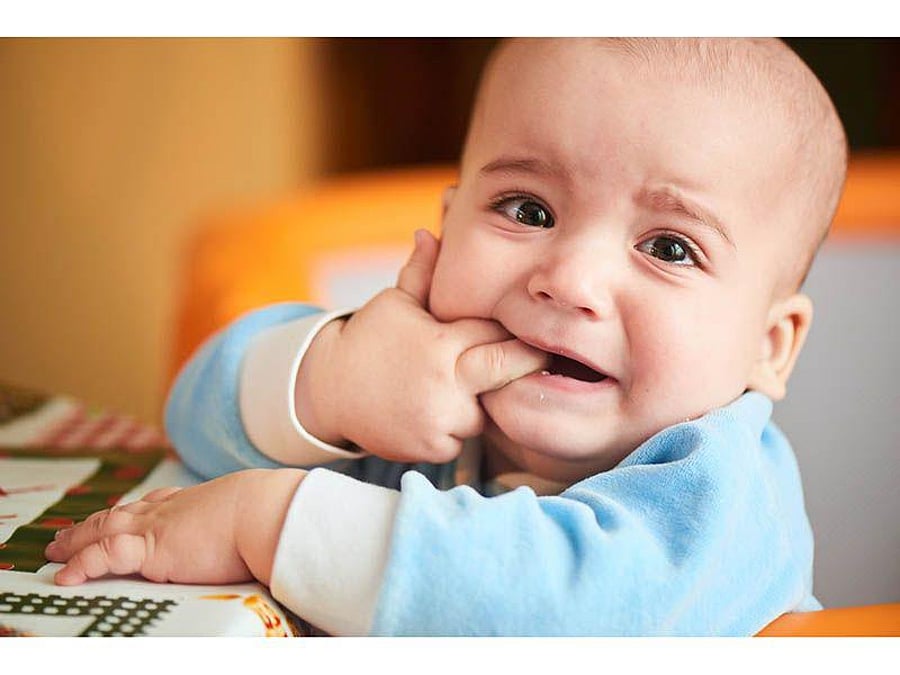
Teething looks different from child to child, and symptoms often get worse in the evening.
Common signs include-
- More drooling
- Chewing hands, toys, clothes
- Gum rubbing or finger chewing
- Irritability and clinginess
- Sleep disruption and night waking
- Reduced appetite for a day or two
Many toddlers seem fine in the morning and struggle more in the evening. That pattern is common.
Teething vs illness- a quick check that lowers your stress

It’s tempting to blame every rough day on teething. Still, serious illness symptoms need their own attention.
Usually teething
- Drooling and chewing
- Mild crankiness
- Broken sleep
- Slight warmth but acting mostly normal
Call your pediatrician
- High fever
- Vomiting
- Ongoing diarrhea
- Refusing fluids or fewer wet diapers
- Unusual sleepiness or weakness
- Widespread rash (beyond drool rash)
- Ear pain that persists
If your gut says something is different, trust it.
What to avoid for toddler pain relief
Some products are common online but risky, especially at night.
Teething necklaces
They can be choking or strangulation hazards.
Numbing gels or sprays
Oral numbing can affect swallowing and may increase the risk of biting the tongue or cheek. If you are considering any numbing product, ask your pediatrician first.
Homeopathic teething tablets and gels
Some products have raised safety concerns in the past. If you are considering them, speak to your pediatrician first.
Hard foods or unsafe chewing items
Avoid items that can splinter, break, or become choking hazards.
A night-time routine that helps your teething toddler sleep

When your teething toddler wakes often, your response matters as much as the remedy. Your goal is calm, short, and predictable.
Bedtime routine (same order for 3–5 nights)
- Warm bath or gentle face wash
- Pajamas, dim lights, quiet room
- One comfort step
- Gum massage or chilled teether for a few minutes
- One short story
- Same sleep phrase every night
- “You’re safe. It’s sleep time.”
What to do during night wake-ups
- Keep lights low
- Use a quiet voice
- Offer a sip of water if needed
- Use one comfort method
- Return to bed quickly
If you change your response every wake-up, your toddler stays alert longer. Consistency helps your child settle faster over time.
When medicine may be appropriate

Sometimes, your teething toddler is too uncomfortable for teethers and massage alone. If pain clearly affects sleep, feeding, or comfort, speak to your pediatrician about safe toddler pain relief.
Many pediatricians guide parents on-
- Weight-based acetaminophen or ibuprofen when needed
- Short-term use during peak discomfort
Avoid “just in case” dosing. Use medicine when pain is clear, and follow the dosing guidance you were given.
Daytime parenting tips that prevent evening meltdowns
:max_bytes(150000):strip_icc()/LaurenNaefeStocksyUnited-a5b91ebfee3a42489627064ec539a28b.png "Daytime parenting tips")
Teething discomfort often builds through the day. A steadier day can improve night sleep.
Helpful parenting tips
- Offer fluids more often
- Keep meals softer on rough days
- Protect nap time, since overtired toddlers struggle more
- Add outdoor time if possible
- Reduce overstimulation in the evening
- Use the same soothing sequence during the day so your child learns what helps
When your toddler knows you have a plan, it becomes easier to soothe distress quickly.
Scientific data explained in simple terms
Studies on teething often show the same pattern- teething is linked with local discomfort signs such as drooling, gum rubbing, biting, irritability, and sleep disruption. Serious illness symptoms should be assessed separately.
This matters because it reduces stress. You can treat teething discomfort with safe steps, while still taking other symptoms seriously.
Key takeaways
If you want to comfort a teething toddler without losing sleep-
- Use safe teething remedies first- chilled teether, gum massage, cold soft foods, drool rash care
- Keep nights predictable with a consistent routine
- Avoid risky products such as teething necklaces and numbing gels unless your pediatrician approves
- Use toddler pain relief medicine only with proper guidance
- Repeat simple parenting tips daily so you can soothe discomfort faster
Conclusion
Teething causes your toddler to become a nighttime clingy monster. You need to maintain daytime activities at their regular times while you establish fixed bedtime schedules for multiple nights. The treatment includes a chilled teether which provides relief through gum massage and cold soft foods together with drool rash treatment. Parents should take their child to see a pediatrician when their child experiences pain that affects sleep and feeding and drinking for three consecutive nights.
FAQs
Q1. How do you soothe toddler teething pain fast?
Use a chilled teether from the fridge, do a clean-finger gum massage for 1–2 minutes, and offer a cold soft snack if your child already eats solids.
Q2. What are the safest teething remedies for night-time?
A chilled teether (not frozen), gum massage, drool rash protection, and a consistent bedtime routine.
Q3. Does teething cause fever in toddlers?
Your teething toddler may feel slightly warm, but a true high fever should not be blamed on teething. If your child has a clear fever or looks unwell, contact your pediatrician.
Q4. Are teething gels safe for toddler pain relief?
Many numbing gels are not recommended for young children. If you are considering any gel or spray, ask your pediatrician first.
Q5. Why is my teething toddler waking up every hour?
A teething toddler may wake often due to gum soreness and tiredness. Use a predictable routine and one comfort method per wake-up. Over a few nights, wake-ups often shorten and settling gets easier.
Disclaimer
This blog is for general informational and educational purposes only. It is not a substitute for professional medical advice, diagnosis, or treatment. Always consult your doctor or a qualified healthcare provider with questions about your pregnancy, health, or delivery options.