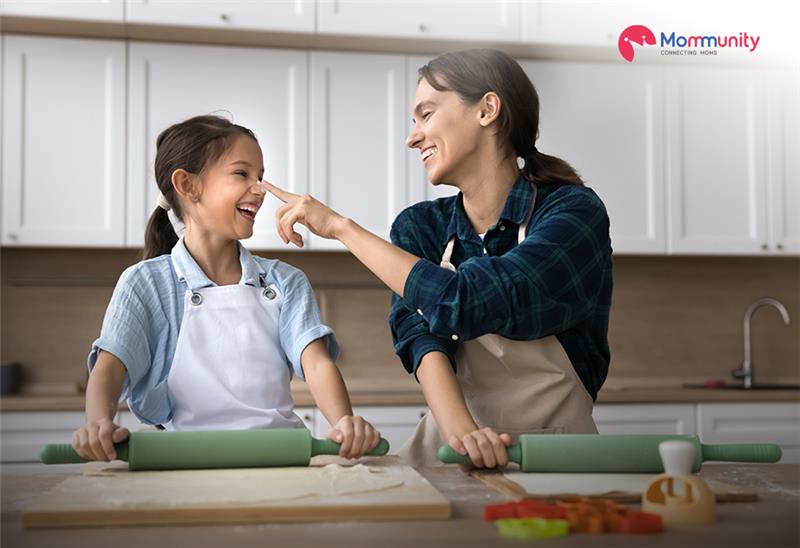
Tired of mealtime battles over veggies? Most parents struggle to get their kids interested in healthy food. But what if you could make your kitchen a fun playground where your child wants to eat their greens? Cooking games are a clever way to create a foodie playground. They keep little hands busy, ignite curiosity, and are a great way to make introducing new foods feel like a fun game.
Why do cooking games work?
Kids love to play. When food and fun are combined, kids are more likely to try new things. Studies have shown that kids who are involved in meal preparation more frequently eat fruits and vegetables.
This is why it helps:
Interacting with food in the tactile ways of touching, smelling, and arranging helps build comfort with foods.
Helping them prepare their own snacks or meals gives them pride and ownership of food that they made.
Mealtime becomes a shared activity instead of a chore.
Creative cooking games for healthy eating
Here are seven games you can try at home. Each uses simple tools and common ingredients.
1. Rainbow Veggie Sorting Race
Materials
- Assorted colorful vegetables (bell peppers, carrots, cucumbers, cherry tomatoes, etc.)
- Small bowls
How to play
- Chop the vegetables and mix them in one bowl.
- Have your child sort them by color groups within a given time limit.
- Time them, then try to beat their time.
Also Read: Why and how to include beetroot in your child’s food
Why it works
Kids are learning about color, variety, and fun! Seeing lots of colors means there is visual variety. That promotes their will to taste what they see.
2. Mystery Fruit or Veggie Taste Test
Materials
- Small blindfold
- Sample cut, familiar and unfamiliar fruits or vegetables
How to play
- Blindfold your child.
- Give small bites, and they have to guess the item by flavor or texture.
- Celebrate their guesses, even if they don’t match, then reveal what it is.
Why it works
Kids are not feeling pressure, they are excited to try new textures and tastes!
3. Build-Your-Own “Veggie Pizza”
Materials
- Mini whole‑grain pizza base
- Tomato sauce
- An assortment of sliced veggies (mushrooms, peppers, spinach, olives, corn)
How to play
- Give each child a “pizza base.”
- Let them design their own topping pattern.
- Bake for a few minutes until the cheese (optional) melts.
Why it works
Designing increases ownership. If they make it, they’re more likely to eat it, especially if it includes healthy toppings.
4. Color-Matching Salad Art
Materials
- Fresh fruits and vegetables of various colors
- Small dishes
How to play
- Provide a color prompt (for example, “make a plate primarily green”).
- Allow them to organize the vegetables by color shade and make a “salad picture.”
- Discuss the vegetables, then eat them together.
Why this works
This blends creativity and learning. Kids experiment visually, then connect that with taste.
5. Smoothie Scientist
Materials
- Smoothie ingredients, frozen and fresh fruits, vegetables, yogurt, milk, or non-dairy milk
- Blender
- Small cups
How to play
- Let your child select two or three ingredients.
- Blend them, and make a smoothie.
- Taste each smoothie and rate the combinations using simple scales like yummy, okay, too sweet, or needs spinach.
Why this works
They are learning cause and effect. They taste and connect the ingredients to how the smoothie tastes, facilitating a willingness to be flexible with healthy options.
6. Fruit or Vegetable “Color Hunt”
Materials
- A list of colors
- Fruits and vegetables you already have at home
How to play
- Give your child a checklist of colors (for example: red, yellow, green).
- Ask them to find a fruit or vegetable in each color.
- Allow them to wash, cut, and explore each fruit or vegetable before they eat or use them in a recipe.
Also Read: Working Together On A Healthier Diet For Teens
Why it works
It promotes hands-on learning. Children use all their senses and become familiar and curious in the process.
7. Story-Time Recipe
Materials
- A short story that has cooking in it or any English rhyme.
- Simple, healthy ingredients referenced in the story
How to play
- Read the story together.
- Pause every time cooking appears in the storyline.
- Make that part of the recipe for real life, just like the book.
Why it works
This links reading, imagination, and kitchen time. Stories make food become part of a narrative.
How to set each activity up for success
You’re aiming to keep things relaxed and engaging. Here are steps that help:
- Prepare ingredients ahead – Pre-cut and pre-measure so kids can jump in quickly.
- Use kid-safe tools – Blunt knives, safe scissors, and small bowls with grips.
- Start simple – Begin with easier tasks like stirring or arranging.
- Offer choices – Letting kids select between carrot sticks or cucumber slices gives them ownership.
- Encourage curiosity – Ask open questions: “What color is this?”, “How does it smell?”, “What do you think it will taste like?”
- Stay positive – Praise their effort, not just the result. For example: “You did a great job placing all the veggies by color.”
- Involve family – You can join in, taste together, and say things like “I love this crunchy cucumber you chose.”
- Let them help with cleanup – When kids clear bowls or wash tools, they feel part of the process.
You now have access to a variety of cooking games that make healthy eating feel playful, natural, and accessible – even on your busiest days. Try one out each week and see how it develops your child’s curiosity and openness to new foods.