
Becoming a mother is a life-altering experience, but the changes that happen afterward can take many new moms by surprise. New parents get a lot of comments about sleepless nights and feeding issues, but they don’t always hear about the physical changes their bodies could experience. These changes are real, normal, and in some cases shocking! Knowing what to expect can help you feel a little more prepared.
Having a baby is a big deal for your body. Muscles stretch, hormones shift, and your body needs to heal and recover. Every woman is different, but most new moms notice a few changes to their bodies in the weeks and months following delivery.
These changes can feel a little confusing or even a bit scary if no one talks about them. But they’re completely normal and happen to many women.
Here are five common body changes after having a baby and what you can do about them.
1. Hair Loss (More Hair Falling Out Than Usual)
You may notice more hair on your pillow, in your brush, or clogging the drain.
Why does it happen:
- The hormones in your body made your hair thicken during pregnancy.
- After you give birth, those same hormones drop, and you begin shedding the hair you retained during pregnancy.
How long does it last?
- Typically, you start losing hair around 3-4 months postpartum.
- Hair loss typically resolves by 6-12 months postpartum.
What Helps:
- Eat a hearty diet with plenty of iron and protein.
- Use a wider comb and avoid tight ponytails.
- Be gentle with your hair.
- It will grow back with time.
Also Read: How To Avoid Postpartum Hair Loss? Minimize Hair Loss
2. “Down There” Weak Muscles (Pelvic Floor)
You may feel a weakness in your pelvic floor area. Some women will leak a bit of pee when they sneeze or laugh. This has occurred because the muscles that support your bladder and uterus were stretched with pregnancy and delivery.
You may experience:
- Pee leaks when you sneeze, cough, or jump.
- Feeling of pressure or heaviness.
- Pain during sex.
What you can do:
- Start with Kegel exercises, squeeze the muscles you use to stop peeing.
- Don’t do heavy lifting too soon.
- If things don’t improve, reach out to a doctor or physiotherapist.
3. Body Tone and Strength
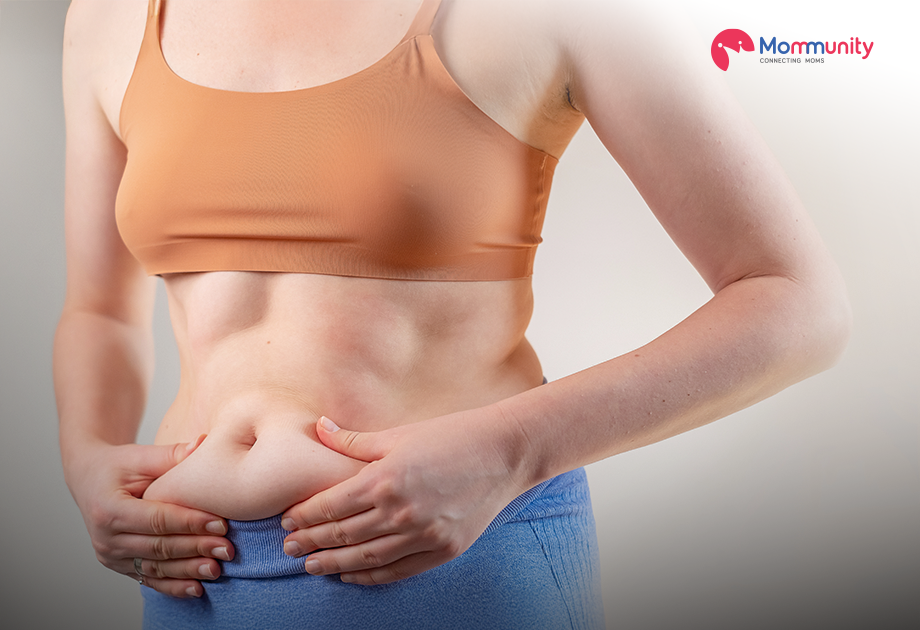
It is a common struggle for women to have an impossible body image after giving birth. The two main causes of this ridiculous feeling are postpartum weight gain and a sagging belly.
Months after giving birth, your belly may still stick out. This can happen because your tummy muscles separated during pregnancy
How to Check:
- Lie on your back and lift your head.
- Press your fingers down the middle of your belly.
- If you feel a gap or a soft spot, it may be diastasis recti.
What you can do about it:
- Do not do any crunches or sit-ups.
- Try doing gentle core exercises like bridges or deep breathing.
- Consult with a physiotherapist for more advice.
Also Read: Top 10 post-pregnancy exercises for flat tummy
4. Sore Breasts
Your breasts go through many changes. They may feel heavy, sore, or change shape, especially if you’re breastfeeding.
What to expect:
- Bigger or sore breasts.
- One may feel fuller than the other.
- You might get stretch marks.
What helps:
- Wear a soft, supportive bra.
- Use warm cloths to relieve fullness or pain.
- Gently massage to ease discomfort.
- Moisturize to help with stretch marks.
Call a doctor if:
- Your breast feels hot, red, and painful, or you have a fever, it could be an infection.
5. Vaginal Dryness or Pain
Some women can experience dryness or pain after childbirth, especially if they are breastfeeding.
Why does it happen:
Lower hormone levels may cause the vaginal area to feel itchy or dry.
What to do:
- Use water-based lubricants for sex.
- Drink plenty of water.
- Ask your doctor about safe creams if necessary.
Physical changes can impact how you feel aswell. Plus, add less sleep and the stress of caring for a baby, and it becomes a lot to handle.
Also Read: Vaginal Pain During Pregnancy: Causes and Treatment
How to take care of yourself after birth
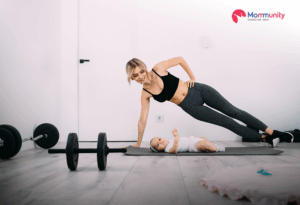
Rest when you can, even a couple naps help!
Eat home-cooked meals that have fruits, vegetables, and protein.
Move a little each day, like walking or stretching.
Ask for help from your partner, family, or friends.
Listen to your body, healing takes time.
FAQs
Q1: How long do these changes last?
Some changes get better in a few weeks, others take a few months. Talk to your doctor if something feels wrong or gets worse.
Q2: Can I prevent these changes?
You can’t stop them completely, but eating well, resting, and gentle exercise can help your body recover.
Q3: Is it normal to still look pregnant?
Yes. Your body stretched for 9 months, it takes time to go back.
Q4: When should I see a doctor?
If you feel pain, heavy bleeding, or something doesn’t seem right, always check with your doctor.
Q5: Are these changes permanent?
Most of them improve over time. Some may need a bit of help from a specialist.
You just delivered a baby, your body accomplished something miraculous. Recovery may take time, and that is perfectly fine. Take the time to be kind to yourself, ask questions, and take support from your loved ones, when you need it!
Discaimer: Only for educational purposes.Not to be used for legal medical guidance.Consult your HCP first, always.