
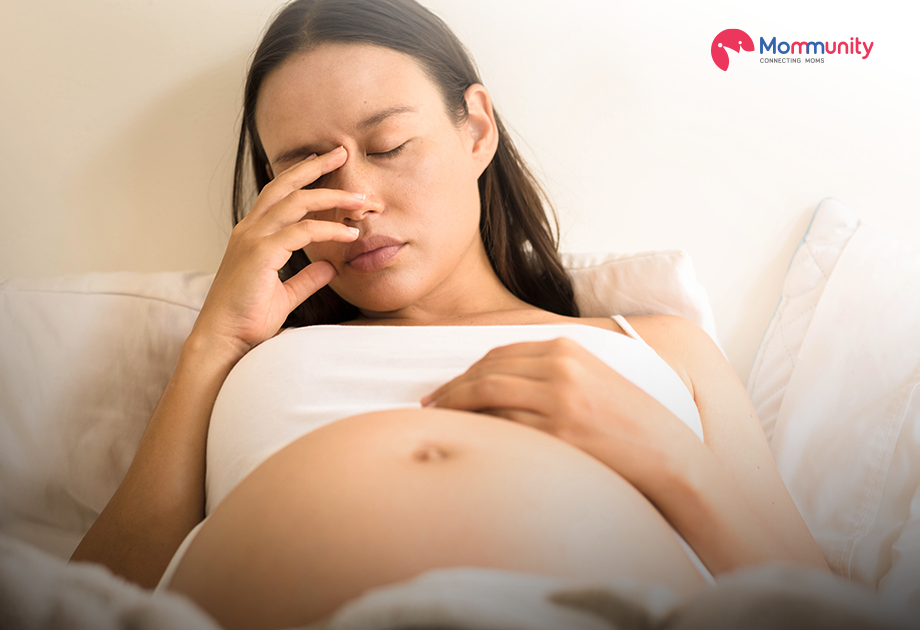
Welcoming your new baby into your home is such a time of joy, wonder, and yes, even exhaustion. When you find yourself asking, Why am I so tired even when I’m getting some sleep? know that you don’t have to deal with this alone. You are adjusting to a new rhythm, one filled with feedings, diaper changes, love, and yes, even less continuous restorative sleep than you’ve ever experienced.
Why do you feel so drained after the baby
As a new parent, both your body and mind will undergo substantial changes:
For one, you will have a completely different sleep schedule. One study found that first-time mothers sleep an average of 4.4 hours per night during the week after delivery, compared to an average of 7.8 hours before they became pregnant.
Even though the amount of time asleep may be increasing, it is still uncommon to obtain long, continuous periods of sleep. In fact, in the same study, the average uninterrupted sleep time decreased to 2.2 hours in the first week.
There is a strong association between poor sleep quality and fatigue, mood changes, and these two experiences increase the risk of postpartum blues or postpartum depression.
You may experience changes in your mood linked to poor quality sleep and fatigue, which can lead to increased risk for having postpartum blues or depression.
Feeding, sleeping, and waking cycles based on your baby’s needs will break your own sleep throughout the night, and you need to acclimatize.
You may feel that you have no option because you’re caring for a little human being who needs you, so your day and night feel like you are just waiting to get by. But you don’t have to just survive. You can reduce the impact of sleep deprivation and start to feel better.
Recognizing Signs of Sleep Deprivation
Before embarking on remedies for sleep deprivation, check that the signs are indeed characteristics of sleep deprivation fatigue:
- Frequent naps during the day, or just dozing off when you didn’t mean to.
- Trouble falling asleep, or waking up, and can’t get back to sleep.
- A feeling of being foggy, irritable, or less motivated than typical.
- Your body feels heavy, your mood is light, but nothing feels like it restores you.
- While you may have enough total hours of sleep, you still feel like you could sleep even longer, because your sleep was broken, so it doesn’t restore you.
Understanding the level of sleep deprivation will allow you to apply the correct interventions.
Helpful tips for combating sleep deprivation
Here are some useful actions you can take, from some that are immediate, to others that can become part of your longer-term routine.
1. Get a partner to help during the night
- If possible, share responsibilities during the night, feeding, changing diapers, and settling the baby. One of you will do one block, while the other will take the second block.
- If the baby is breastfed, the non-breastfeeding partner can manage burping, changing diapers, and rocking the baby back to sleep.
- Getting help from family or trusted friends, even one night of better sleep, will make a difference.
2. Protect one core sleep block
- Try to protect at least one continuous period of 3-4 hours of sleep, ideally as often as possible and ideally every night.
- Prior to the baby falling asleep, consider the sleeping conditions: dim lights and low noise, no screens.
- Make the sleep environment cool, dark, and comfortable.
3. Nap Smart
- Taking naps of less than 30 minutes can refresh you while avoiding grogginess.
- If you can’t nap early, then try to take a nap of 45 to 60 minutes (it can help you feel more refreshed).
- If you have a fragmented schedule, then accept “micro-naps” because they can still help with recovery.
4. Take sleep hygiene seriously
- Try to maintain a consistent sleep buffer, e.g., reduce screen time just before bed.
- Allow some soothing rituals, like a warm drink, light music, and lowering the lights.
- Avoid caffeine later in the day, since your body can become more sensitive as it gets more tired.
- Once you go to bed, try to start fresh, and allow your mind/brain to settle down for sleep. Even if the baby wakes you.
5. Make daytime counts
- Fetch sunlight early in the day, natural light helps regulate your circadian rhythm.
- Move your body gently, a walk or light stretching can help you feel more alert and reset your sleep cycle.
- Stay hydrated and eat balanced meals, nutrition supports sleep, mood, and energy.
6. Adjust your expectations and schedule
- Accept that this phase is temporary, your baby’s sleep patterns will evolve.
- Recognise that some variation is normal. You may not sleep like you used to, but you can sleep better than just surviving.
- Break tasks into manageable chunks, don’t push yourself to finish everything before bed if it means missing a nap
7. Attend to your emotional well-being
- Not sleeping well can lower your resilience and increase stress or anxiety. In a recent study, 61% of postpartum mothers reported fatigue, and 97% reported low sleep quality.
- If you feel low for long periods, talk to your partner, a friend, or a counsellor.
- Consider simply keeping a gratitude or win list at night, write down even just one thing that you did or noticed that day, even if it seems trivial.
8. Safe feeding & sleeping practices

- If you feed your baby while drowsy, make sure you’re in a safe space, a firm mattress, the baby in their own bassinet, and no soft pillows or couches that pose a risk.
- Plan for safe sleep arrangements so you feel less worried about suddenly nodding off during a feeding.
When to seek further assistance
Fatigue can be a normal experience after having a baby, but some signs indicate that you may need extra help:
- You are feeling consistently low, tearful, anxious, or detached from your baby.
- You are experiencing intrusive thoughts, you are not bonding, or you have fluctuations in your mood.
- You often feel unable to function, make decisions, or play or interact with your baby.
- Your sleep has not improved at all in a couple of weeks, and you feel as if you are in a state of persistent exhaustion.
In this instance, it is time to talk to your health care provider. Lack of sleep can increase the risk for postpartum depression, and it is okay to ask for assistance.
Long-Term Approaches to Improved Restfulness
After your baby has made it through the acute period of being a newborn, try to adopt these longer-term habits:
- Establish a more consistent sleep schedule, try your best to sleep and wake up around the same time.
- When you’re comfortable, consider moving your baby to a separate sleep space: This may allow for longer sleep stretches.
- Monitor your screen use. While it is tempting to watch screens during nighttime hours, excessive screen time can prevent deep sleep and restful sleep cycles.
- Explore a parent group for sharing ideas and experiences; having support and connection can really matter to our sleep journey.
- Get some gentle exercise and consume some nourishing foods and hydration: Well-fed and hydrated bodies are more able to tolerate sleep fragmentation.
The importance of addressing sleep deprivation
Sleep is not a luxury, it is essential for your own wellness and taking care of your baby:
You’ll be in a better mood, more focused and patient, allowing you to respond to your baby’s cues with more precision.
You will be able to physically recover from birth or a C-section recovery more effortlessly, which strengthens your resilience.
You will be less at risk of mood disorders, feeling more energized, and positively parenting.
When your body is feeling rested, your baby will also benefit, there will be calm cues, better bonding, and collective emotional wellness.
You’re working hard. You might feel very far from well-rested or normal again, but little changes, little adjustments you can make now, will add up to improved sleep and better days ahead. Sleep protection, emotional health, and support are key things that you can do. Take a moment to appreciate your efforts because you are taking care of yourself just as you are taking care of your baby!
FAQs
Q: How many hours of sleep should I be looking for with a new baby?
Each person is in a different situation, but 7 hours or more each 24 hours is a good baseline. Remember: interrupted sleep counts, but you will feel much more rested with at least one longer stretch of 3 to 4 hours of sleep.
Q: Should I nap during the day?
Yes, short naps (20-30 minutes) can help alertness and mood. A 45-60 minute nap can even make a large difference to you. Balance is important: nap without eliminating core sleep time.
Q: Can anything be done about my baby’s sleep so I can sleep?
Yes, maybe. When you are ready (and the baby is developmentally ready), introducing more consistent sleep cues can help. But do remember: you will still be awoken sometimes in any situation, so don’t expect perfect sleep and stay positive.
Q: Could my sleep issues lead to mental health problems?
Yes, chronic sleep disruption increases the risk of mood disorders, anxiety, and postpartum depression. If you’re experiencing persistent low mood, seek professional support.