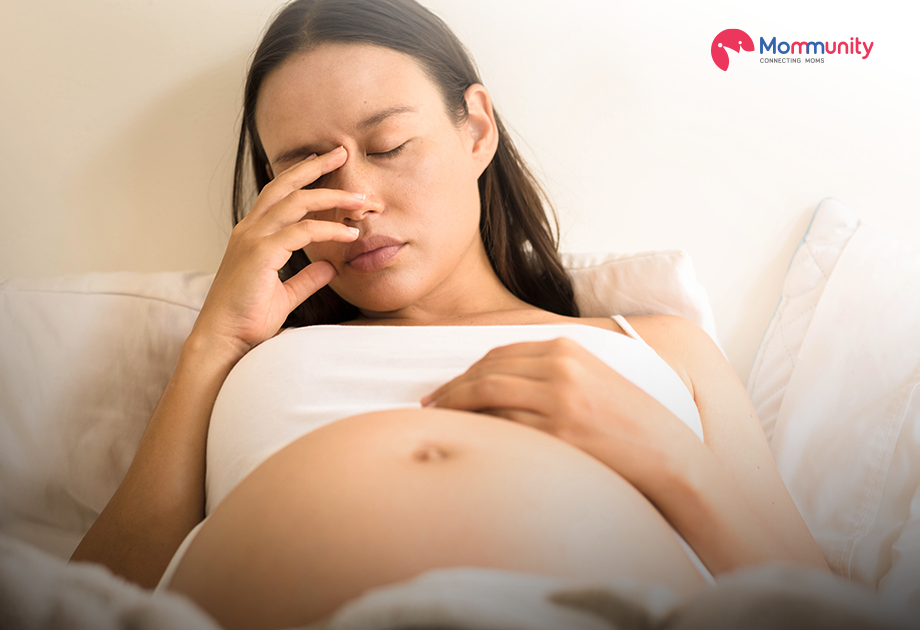
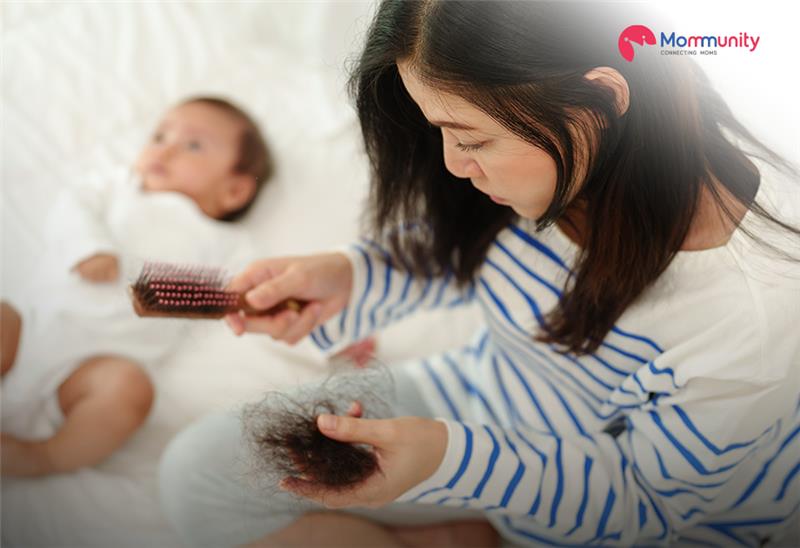
Giving birth to a baby is a wonderful milestone! Yet it also changes a lot of things, including your hair. If you are noticing that there is an increase in the amount of hair on your pillow, in your hairbrush, or in the shower drain, you could be experiencing postpartum hair loss. This affects many new mothers. We will discuss what postpartum hair loss means, why it happens, and how you might help your hair recover.
What is postpartum hair loss?
After you give birth, your hair may shed more than usual. While pregnant, your hormones kept many hairs in the growth phase. When those hormones drop after the baby arrives, many hairs go into a resting phase and then fall out.
You might have felt your hair was fuller during pregnancy, but that extra fullness often fades. Seeing hair shedding now doesn’t mean permanent hair loss. Usually, your hair returns to its previous state.
Reasons for Hair Loss After Having a Baby
There are several reasons for what is happening to your hair after pregnancy:
Hormonal changes
- Decreased pregnancy hormones can prompt your body to transition many hairs to the shedding phase.
- The hair cycle is also altered, causing you to notice more hair loss than usual.
Physical and emotional changes
- Having a baby and all that comes with it is injurious enough physically and emotionally.
- Stress can cause or augment hair loss.
Nutritional needs, sleep needs, and stress factors
- The body is in an increased nutrient need state after having a baby, especially if you are breastfeeding.
- If you are not getting adequate protein, you may notice hair loss.
- Sleep deprivation and being up at night to care for an infant can cause stress to the body.
Pre-existing hair conditions
In rare situations, if hair loss continues a few weeks after having a baby, you may have an underlying hair condition that could present itself now that the immediate aftermath is gone.
When you will likely notice it
Knowing when to expect any hair changes will make you feel more prepared:
- 0-2 months postpartum – You may not notice much yet, but your hair is probably feeling pretty full.
- 2-4 months postpartum – For many mothers, shedding often starts around here.
- 4-6 months postpartum – Shedding could be at its worst, lots of hair in the brush and the drain.
- 6-12 months postpartum – Shedding is slowed, and new growth may be starting to show.
- 12 months plus – For most women, hair has returned to its state before baby, if not, it is worth looking into this.
How to support your hair recovery
You may not stop the initial shedding phase, but you can help your hair bounce back in healthy ways:
1. Delicate scalp care
- Use a gentle shampoo and light conditioner.
- Don’t do any tight hairstyles, heavy heat styling, or pulling on roots.
- Simply brush it out softly with a wide-tooth comb to avoid unlimited breakage.
- A little trim can make hair feel healthier and fresher.
2. Nourish your body
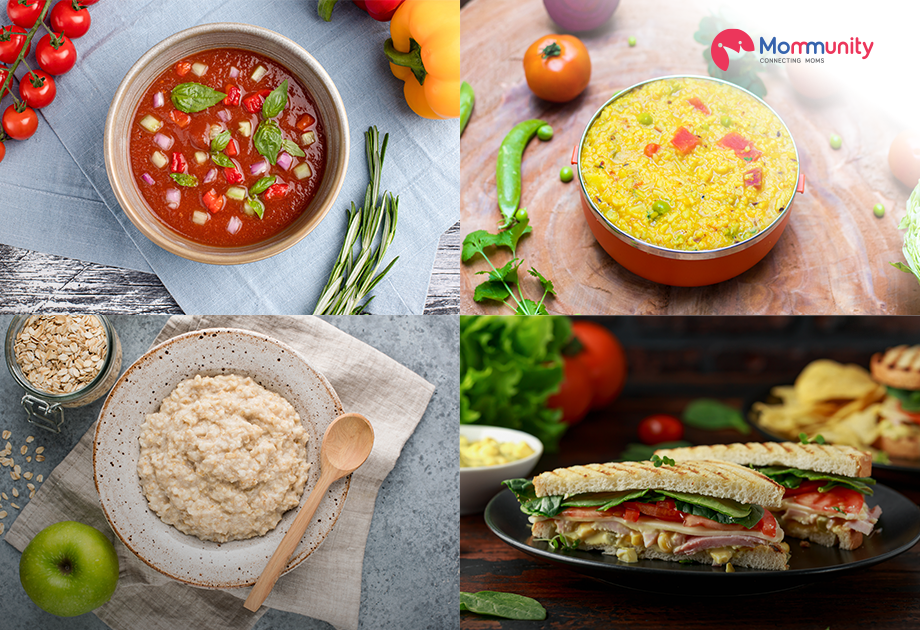
- Eat enough protein, eggs, dairy, beans, and nuts to get protein in.
- Eat iron-rich foods if you are low in iron.
- Make sure you get enough vitamins and minerals (zinc, vitamin D, B-vitamins, etc.).
- Drink plenty of water and try to eat regular meals, even if your schedule is all over the place.
3. Take care of your mental and physical health
A nap or a quick break to rest when your baby naps can help your body restore energy.
Little amounts of movement or fresh air positively affect your mood and circulation.
Though you are tired, do your best to take steps to relieve stress, and not expectation of perfection.
4. Give time and work on your expectations.
Shedding will feel alarming; it is a normal phase.
Don’t compare your hair to how it was prior to a baby; your body has gone through some big changes.
Look for small improvements; less hair on your brush, more volume in your ponytail.
5. If it doesn’t get better after around 1 year, get help.
If you feel you are still having heavy shedding after around 1 year, reach out to your doctor or dermatologist.
If you are experiencing bald patches, other signs/symptoms (for example: itching of your scalp, tiredness, etc.), or your hair just doesn’t feel like it is improving, with the recommendation from your doctor/dermatologist, maybe have it checked out.
Why supporting your hair is meaningful
Your hair and how you feel about it matter. Taking care of your hair now helps you feel more like yourself. It’s not just about looks, it ties into your confidence, your energy, and how you feel as you adjust to motherhood.
When you treat your hair with care, you’re also caring for yourself.
A quick checklist for you
- Include a good source of protein at every meal.
- Consider foods high in iron and combine with vitamin C-rich foods (e.g, citrus, peppers).
- Use soft hair tools and do not strain the hair from the root.
- Try to rest when you can, even short naps help.
- Check improvement month by month.
- If not improved by 12 months, consult a specialist.
If you are experiencing postpartum hair loss, you are in good company and not a failure. This is a very normal postpartum phase! With certain gentle, nourishing measures, along with time, your hair will more than likely return to your pre-pregnancy status.
You’ve cared for another human being, you can care for your hair, too. Small steps taken now will allow you to feel more like yourself again.
FAQs
Q: Is postpartum hair loss permanent?
For nearly all women, the answer is no. Shedding decreases and hair regains its fullness by approximately 1 year post-partum.
Q: Is there any way to help my hair grow back faster?
You can certainly help by eating well, resting to the extent possible, engaging in gentle hair-care practices, and managing your stress. This won’t happen overnight, but these steps will definitely help.
Q: If I’m a year past birth and still losing a lot of hair, is that normal?
If it has severe and heavy symptoms after 12 months, it’s a good idea to consult your doctor. You could have another underlying cause.
Q: Should I consider more hair loss due to breastfeeding?
Possibly, due to prolonging the hormonal shift and continued stress, however, this does not guarantee that a breastfeeding mom will lose more hair.
Q: Should I try hair growth supplements right now?
Be cautious with taking supplements- especially during breastfeeding- check with your doctor first. You will want to focus on a balanced diet, better sleep, and hair-care habits before considering supplements.