
Thinking about having a baby? If you’re thinking about how to increase your chances of getting pregnant on your own, you are not in this alone. Although medical interventions are available when necessary, your day-to-day activities can also make a difference.
Everything – what you eat, your activity level, sleep duration and quality, and stress management – can all impact how well your body is able to support a pregnancy. In this blog post, we will explore some straightforward lifestyle changes you can modify, based on science, that can help to naturally improve your fertility.
The Importance of Daily Habits
Your ability to get pregnant isn’t solely reliant on your reproductive organs and how ‘healthy’ or ‘functional’ they are. Getting pregnant is influenced by your hormones, your body weight, energy levels, and overall health status. According to the WHO (World Health Organization), 1 in 6 people globally face fertility challenges.
So what’s the good news? Research indicates that approximately 30-40% of challenges in fertility are related to everyday lifestyle behaviours. Every day behaviours are things that we can work on and improve!
1. Eat Healthy and Balanced Meals
Food is fuel for your body. And when you’re trying to get pregnant, it’s important to give your body the right nutrients to support hormones, ovulation (egg release), and energy levels.
Try These Fertility-Friendly Food Tips:
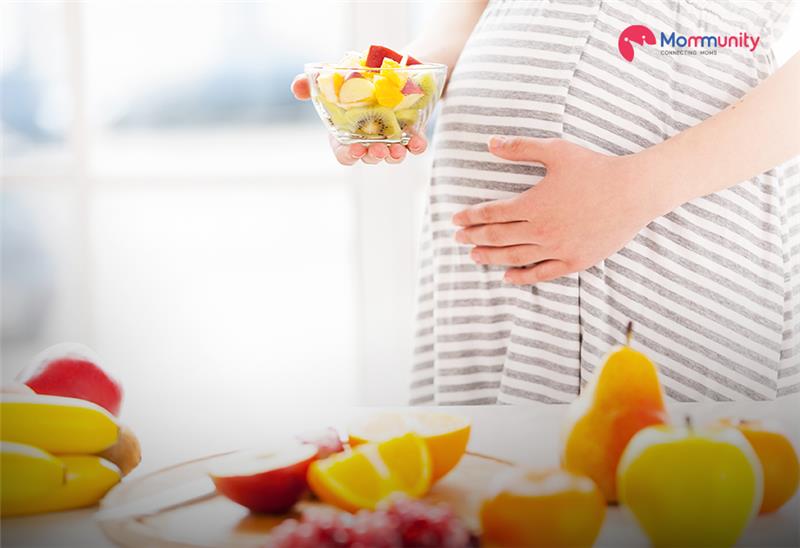
- Eat more fruits and vegetables: Especially colorful ones like berries, spinach, carrots, and beets. They’re full of vitamins and antioxidants that protect your body.
- Switch to whole grains: Choose brown rice, oats, or whole wheat bread instead of white rice or maida-based foods.
- Include good fats: Nuts, seeds, avocados, and oily fish like salmon are healthy for your hormones.
- Add plant-based proteins: Dals, rajma, chana, and tofu are great for fertility.
- Avoid junk and processed foods: Too much sugar, oil, or chemicals in packaged foods can harm your hormone balance.
2. Maintain a Healthy Weight
Either being too thin or being overweight can make it harder to get pregnant. It can affect your menstrual cycle, hormones and your ovulation.
Ideal BMI for women: Between 20 and 24.
Men also need to keep in shape – Being overweight affects sperm quality.
3. Exercise – but don’t go overboard
Moving your body can help with so many things – it gets blood flowing, reduces stress, and helps with weight. Do Effective Pregnancy Workouts For Healthy Pregnancy.
Best exercise for getting pregnant:
- Walking (30 minutes every day)
- Yoga (gentle, fertility poses and relaxation)
- Swimming or light cardio
- Basic strength training 2-3 times a week

4. Take Care of Your Stress Levels
Stress is a part of life, but too much of it can affect your fertility. It can delay or stop ovulation, and also lower sperm count in men.
Ways to Reduce Stress:
- Do deep breathing or meditation daily.
- Keep a journal to write down your thoughts.
- Spend time with loved ones.
- Limit time on social media or negative news.
- Try a relaxing hobby like gardening or art.
5. Get an adequate amount of rest
Sleep deprivation can affect your body’s natural rhythm and could affect hormone production.
- Aim for 7-9 hours of good sleep each night.
- Sleep and wake at the same time each day.
- Avoid mobile phones or watching television before bed.
- Limit caffeine in the evening.
6. Limit Caffeine and Alcohol
- Caffeine: One cup of tea/coffee a day is fine. Limit caffeine to less than 200 mg.
- Alcohol: It is best to eliminate alcohol while trying to conceive. It can decrease fertility for both men and women.
7. Stop smoking and avoid secondhand smoke
Smoking affects fertility. It can affect the quality of eggs/ sperm and increase the risk of miscarriage.
- Females who smoke may struggle to ovulate properly.
- Males who smoke may have lower sperm counts.
If your partner/someone you live with smokes, avoid secondhand smoke as much as possible.
8. Be Careful With Plastics and Chemicals
Certain chemicals around us, like in plastics, cosmetics, or cleaning products, can mess with hormones and affect fertility.
What to Avoid:
- Plastic containers: Especially those with BPA. Use glass or stainless steel instead.
- Non-stick cookware: Try cast iron or ceramic pans.
- Body care products: Check labels for harmful chemicals like parabens and phthalates.
- Pesticides: Wash fruits and veggies well or choose organic options.
9. Check Your Medicines and Take the Right Supplements
Some medicines (even common ones) can affect your chances of getting pregnant. Always talk to a doctor before stopping or starting any medication.
Helpful Supplements for Fertility:
- Folic Acid
- Vitamin D
- Iron
- Zinc and Selenium (especially for men)
- Coenzyme Q10
10. Monitor Your Ovulation

If you want to increase your chances of getting pregnant, try to have sex while you are in your fertile window, roughly when you ovulate (release an egg).
How to Monitor:
- Use ovulation test kits (everyone can find them online easily).
- Check your cervical mucus, it becomes slippery like egg white when you ovulate.
- Use period tracking apps to get an idea of when you might ovulate.
Making small changes to your daily habits, eating better, sleeping more, moving your body, and managing stress can help you prepare your body for a healthy pregnancy. These easy tips for staying healthy during pregnancy are simple, natural, and don’t cost much.
And remember, no one change will work overnight. But being consistent can make a big difference in the long run.