Why Siblings Fight More Around Parents
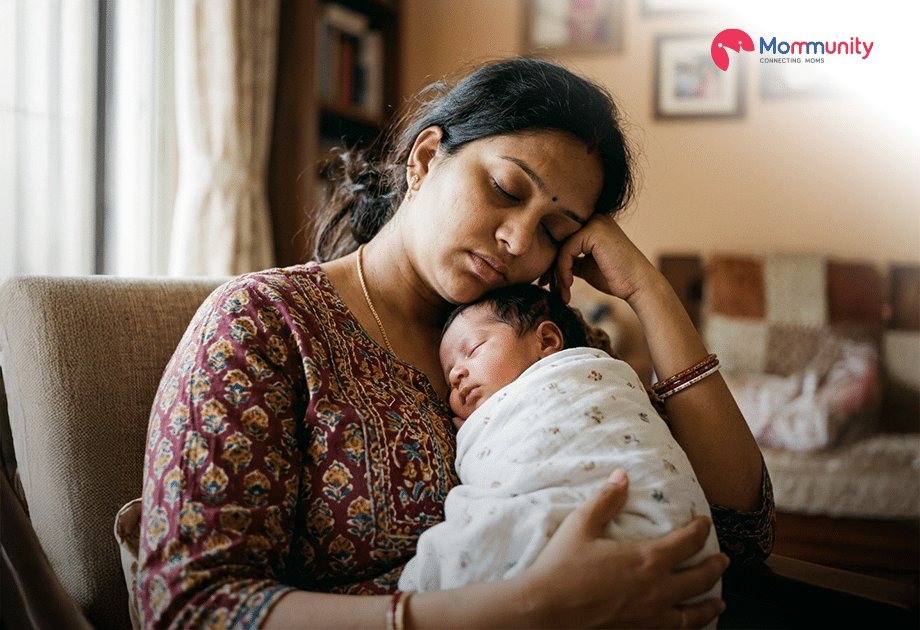
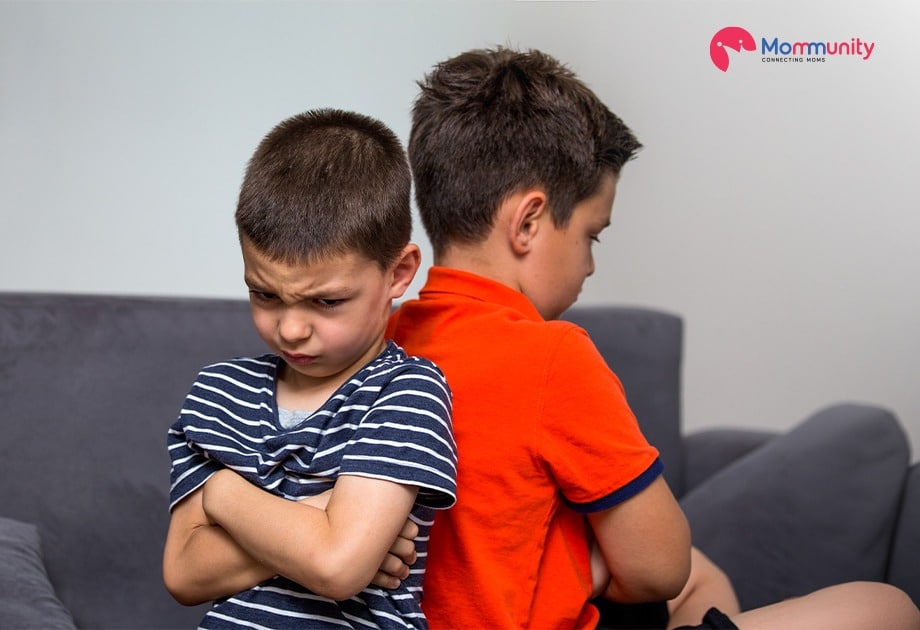
The moment you enter the room, boom, shouting, pushing, complaining.
“Mumma, he took my pencil!”
“Mumma, she hit me first!” and you wonder, Why do siblings fight only when you are around?
If this feels familiar, you are not alone. Across Indian households, from noisy school WhatsApp group discussions to dadi nani casually saying “tumhare saamne hi nautanki karte hain,” this pattern shows up everywhere.
What looks like sibling rivalry is often much deeper. Many times, siblings fight for attention, reassurance, or emotional safety from a parent, and if you have been searching for how to stop sibling fighting, the answer may not be stopping conflict at all, but understanding what the fight is trying to communicate.
This Is Not Random. Your Presence Changes Their Brain, see how!
When you are not around, siblings often
- Self-manage conflicts because children are motivated to keep the play going. Play activates dopamine in the brain, which is a reward chemical. If they fight too much, the game stops, so their brain naturally encourages compromise to continue the reward experience.
- Avoid escalation because, without an authority figure present, escalation does not bring any additional benefit. There is no external problem solver or attention provider, so their brain learns to minimize conflict to maintain stability.
- Continue playing to keep the fun going because play is intrinsically rewarding. The brain prioritizes activities that bring pleasure and connection, so children suppress minor irritations to protect that experience. But the moment you enter
Their brain shifts from self-control mode to attention-seeking mode because your presence introduces a powerful emotional and social reward. The brain now sees a new opportunity to gain validation, protection, and attention.
Why? Due to..
1. Attachment Activation
Children feel emotionally safe when a parent is present. According to attachment theory, a caregiver acts as a secure base.
A child’s nervous system relaxes in the presence of a trusted adult. When the brain feels safe, it allows suppressed emotions to surface. Earlier irritation that was controlled now finds an outlet.
This works through the limbic system, which stores emotional experiences. When safety is detected, the brain reduces inhibition and releases stored frustration.
So basically, they were irritated earlier and controlling themselves. Now that you are here, they finally release it because their brains trust that you will handle the situation.
2. Competition for Limited Resource (You)
From a behavioral psychology perspective, parental attention is a highly valued reward because the human brain is wired for connection. Attention activates reward pathways similar to physical rewards.
So siblings unconsciously compete.
- Who gets heard first matters because the brain associates being heard with importance and security. The child believes that speaking first increases the chances of being validated.
- Who gets sympathy matters because emotional validation releases oxytocin, which is a bonding hormone. The child wants to feel emotionally supported and safe.
- Who wins your support matters because children are constantly forming a sense of fairness and identity. Being supported reinforces their belief that they are right and valued.
This creates conflict because both children are trying to maximize their emotional reward at the same time.
3. Learned Behavior Reinforcement Loop
If every fight results in
- You intervening
- You’re giving attention
- You are solving the problem
Then the brain learns this pattern because repeated experiences strengthen neural pathways through operant conditioning, where behaviors followed by rewards are repeated. Attention acts as a reward, even if it comes in the form of scolding.
So the child’s brain connects fighting with a guaranteed outcome of engagement. Over time, this becomes an automatic strategy to gain attention.
This is one major reason why siblings fight more in front of parents.
You Think They Are Fighting Each Other But They Are Actually Reaching For You

When a child complains, the conflict may look like misbehavior, but often siblings fight for attention, validation, and a sense of fairness.
- They are not just reporting because the brain rarely communicates only facts during emotional moments. It is expressing an unmet need.
- They are seeking validation, fairness, and connection because children depend on caregivers to interpret and regulate their emotional world. Validation reduces stress hormones like cortisol.Especially in Indian homes where
- One child is often labeled responsible
- The other is labeled naughtyThese roles intensify sibling rivalry as labels shape identity. The child labeled responsible may feel pressure and resentment, while the other may act out to fit the label. This creates a cycle where both children behave in ways that reinforce conflict.
Stop Fighting! Is not going to work, trust me!
When parents say
- Be nice to each other
- You are siblings, act like it
It sounds logical.
But neurologically, kids under emotional stress cannot access reasoning easily since the prefrontal cortex, which handles logic, temporarily reduces activity during stress.
Their brain is in fight or flight mode due to the amygdala, which processes threat. It becomes dominant. So the brain prioritizes survival over reasoning.
That is why you must have noticed the advice you gave is ignored, because the child is not in a mental state to process logic at that moment.
Parenting Tips for Sibling Conflict
These parenting tips for sibling conflict do not eliminate disagreement, but they help children develop healthier ways to handle sibling rivalry.
1. Do Not Jump In Immediately. Pause Is Power
Wait for ten to twenty seconds before reacting.
Why this works is because it gives the child’s nervous system time to settle slightly, reducing emotional intensity. It..
- Encourages self-regulation because the child attempts to solve the issue without external help, strengthening neural pathways for independence.
- Breaks the instant attention reward cycle as the brain no longer associates immediate fighting with immediate parental response.
2. Narrate Do Not Judge
Say, “I see both of you are upset about the toy,” instead of blaming.
As labeling emotions activates the prefrontal cortex. Also, when emotions are named, the brain shifts from reactive mode to reflective mode. This reduces emotional intensity and increases problem-solving ability.
3. Give Attention Before They Demand It
Many fights are connection requests in disguise because unmet emotional needs often appear as behavioral issues.
Try
- Ten minutes of one-on-one time daily because consistent attention fulfills the need for connection, reducing the need to seek it through conflict unconsciously.
- Small check-ins because they create emotional safety and reduce bottled-up feelings.
Research also suggests that children with consistent parental attention show lower sibling rivalry behaviors because their emotional needs are already met.
4. Avoid Taking Sides Too Quickly
This builds resentment because perceived unfairness activates strong emotional reactions in the brain.
Instead
- Hear both sides because it allows each child to feel seen and valued.
- Focus on solution, not blame, because problem-solving activates higher thinking regions of the brain and reduces emotional escalation.
5. Teach Conflict: Do Not Eliminate It
If your goal is only to stop sibling fighting, you may miss the larger goal, teaching children how to handle conflict well.
Healthy management of sibling rivalry matters more than eliminating disagreements.
Fighting is not the enemy because conflict is a natural part of social development.
Poor conflict skills are the problem because, without guidance, children use aggression instead of communication.
Teach
- Taking turns because it builds impulse control by strengthening executive function.
- Using words instead of hitting because language processing engages higher brain functions and reduces physical aggression.
- Walking away when overwhelmed helps regulate the nervous system and prevents escalation.
Quick tips
These are practical parenting tips for sibling conflict you can start using today..
- Create a family emotion ritual every evening where each child shares one good and one difficult moment because emotional expression reduces suppressed frustration.
- Use a timer-based sharing system during conflicts because structured turns reduce impulsive interruptions and increase fairness perception.
- Introduce cooperative tasks like cooking or cleaning together because shared goals activate teamwork circuits in the brain and reduce rivalry.
- Use descriptive praise such as “you both solved that problem together!” because it reinforces cooperative behavior through positive neural reinforcement.
- Rotate responsibility roles weekly because it prevents fixed identity labels and promotes flexibility in behavior.
A Simple Home Technique You Can Try Today
The One Toy Two Roles Trick
When both kids want the same thing
- Assign roles where one uses, and one manages time
- Then switchIt works as it does.
- Reduces power struggle because roles create structure and remove ambiguity
- Builds cooperation because both children experience control and fairness
Truth Most Parents Do Not Realize..
If siblings never fight
That is not harmony. That is suppression because emotions are being held back instead of being expressed.
Healthy sibling conflict
- Builds negotiation skills because children learn compromise through practice
- Teaches emotional regulation because repeated exposure helps the brain manage emotions better
- Prepares them for real-world relationships because conflict resolution is a lifelong skill
But Here Is The Real Shift You Need To Make..
Stop asking, “How to stop sibling fighting.”
Start asking, “What are they trying to communicate through this fight?”
This moves your response from reaction to understanding. It transforms how you respond to sibling rivalry. They are connecting the only way they know how in that moment because their emotional vocabulary and regulation skills are still developing
And how you respond right then shapes
- Their relationship with each other is based on repeated interactions that form long-term behavioral patterns
- Their emotional intelligence is guided by responses that teach them how to process emotions
- Their bond with you because consistent understanding that builds trust and security
FAQs
Q. Why do siblings fight more when parents are around?
A. Children often feel emotionally safer expressing frustration when a parent is present. This is one reason why siblings fight more in front of parents than when alone. They may also compete for attention, fairness, or validation. What looks like conflict is often a connection request.
Q. Should parents always intervene in sibling fights?
A. No, because constant intervention creates dependency and reinforces attention-seeking behavior. Allowing safe conflicts helps children build problem-solving skills.
Q. How can I stop sibling fighting without shouting?
A. If you are wondering how to stop sibling fighting, start by avoiding immediate blame or punishment. Pause before intervening, hear both sides, and guide them toward solutions. Teaching conflict skills works better than trying to eliminate every disagreement. Calm responses reduce escalation.
Q. How can I reduce sibling jealousy?
- Give individual attention because it fulfills emotional needs
- Avoid comparisons because comparisons trigger insecurity and competition
- Validate each child’s emotions because validation reduces emotional stressThese reduce perceived competition because each child feels secure in their own identity.
Q. What are the best parenting tips for sibling conflict?
A. Effective parenting tips for sibling conflict include staying neutral, coaching instead of judging, and giving one-on-one attention regularly. Encourage turn-taking, emotional labeling, and cooperative activities. Focus on teaching repair after conflict, not just stopping the fight. Consistency matters more than perfection.