
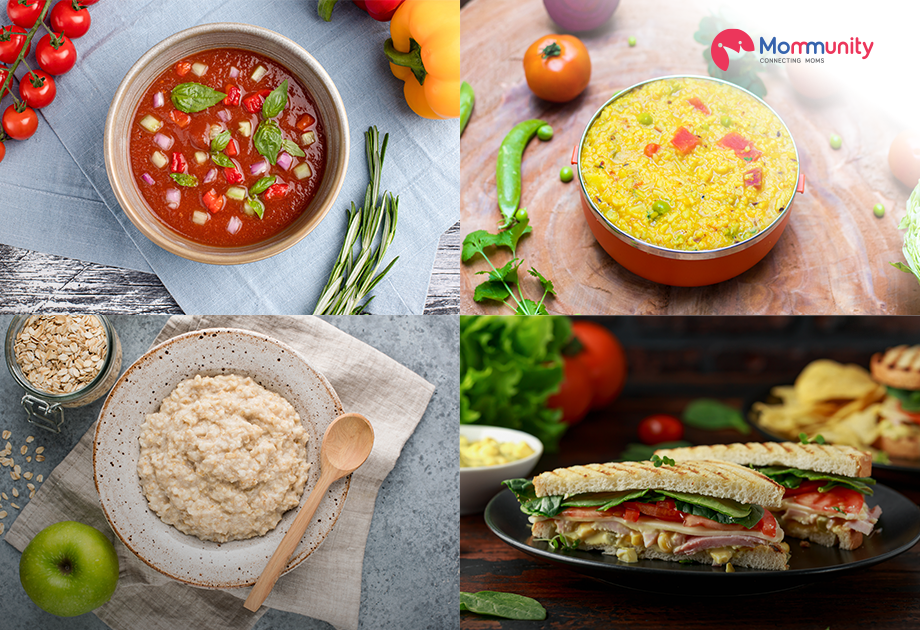
Winter brings chilly mornings, shorter days, and a need for comfort food that warms your child from the inside out. During these months, kids often crave rich, cozy meals. But it’s also the season when their immunity needs a boost.
Why Nutrition In Winter Is Important for Kids
During colder months, children are more susceptible to colds, coughs, and the flu. The body generates more heat during the winter months, which means it is working excessively energy. This is why it is essential to provide them with satisfying meals that are both nutrient-dense and warming. Maintain water intake for kids in winter.
Some key nutrients you should emphasize during the winter months:
- Vitamin C- Immune support (found in citrus fruits, amla, guava).
- Iron- Helps fight fatigue while boosting energy (found in leafy greens like kale, jaggery, lentils).
- Protein- Growth and repair (found in eggs, milk, legumes).
- Healthy fats- Satisfy hunger and energy (found in ghee, nuts, seeds).
Next, we will look at some nutritious, easy, warming recipes for kids in winter to cook on cold days.
1. Khichdi made from moong dal, vegetables, and ghee
This one-pot meal is easy to digest and is very nutritious.
Ingredients:
- 1/2 cup of yellow moong dal
- 1/2 cup of rice
- Chopped peas, carrots, and spinach
- Cumin, turmeric, and salt
- Ghee, 1 tsp
Method:
- Rinse the rice and dal. Heat some ghee in a pan with the cumin, then add the vegetables, followed by the rice and dal.
- Add water, salt, and turmeric to the mix and pressure cook for 3-4 whistles.
- Serve warm with an extra spoon of ghee.
2. Carrot and Beetroot Soup
This vibrant soup is high in antioxidants and vitamins.
Ingredients:
- 1 carrot, 1/2 beetroot, chopped
- 1 small onion
- Garlic and pepper to taste
- Ghee or butter
Method:
- Saute the onion and garlic, then add the carrot and beetroot.
- Add water and pressure cook.
- Blend and strain the soup, and simmer with salt and pepper.
- Serve warm.
3. Sweet Potato Paratha
Sweet potatoes are rich in fibre and vitamins. Kids love the natural sweetness.
Ingredients:
- 1 cup mashed sweet potato
- 1 cup whole wheat flour
- A pinch of salt and ajwain
Method:
- Mix all ingredients into a dough.
- Roll into parathas and cook on a tawa with ghee.
- Serve with curd or jaggery.
4. Bajra (Pearl Millet) Porridge
Bajra is warm and a great way to start a cold morning.
Ingredients:
- 1/2 cup bajra flour
- 2 cups milk
- Jaggery to taste
- Cardamom powder
Method:
- Mix the bajra flour with water to make a paste without lumps.
- Then add it to the boiling milk, stirring constantly.
- Cook until it becomes thick, then add the jaggery and cardamom.
- Serve warm.
5. Ragi Banana Pancakes
Ragi has a lot of calcium and is good for growing bones.
Ingredients:
- 1 cup ragi flour
- 1 ripe banana
- Milk as required
- Ghee for cooking
Method:
- Mash the banana and mix in the ragi and milk to create a batter.
- Make small pancakes in a non-stick pan with ghee.
- Serve with honey or fruit puree.
6. Spinach and Corn Sandwich (Warm Toasted)
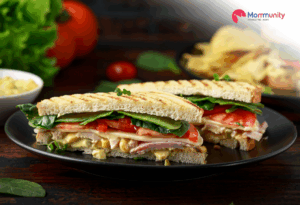
This is a way to add greens for kids.
Ingredients:
- Chopped spinach, boiled corn
- Grated cheese
- Whole wheat bread
Method:
- Saute spinach and corn in a little butter. Add cheese.
- Spread the mixture between the slices of bread.
- Toast the sandwich on both sides until golden brown.
- Cut into fun shapes to capture their attention.
7. Dry Fruit and Oats Ladoo
A no-added-sugar energy snack that is nutritious.
Ingredients:
- Almonds, cashews, dates
- Rolled oats
- Ghee
Method:
- Dry roast the oats and dry fruits, and blend them together.
- Then add the soft dates and ghee and mix them in to make ladoos.
- Store in an airtight container.
Suggestions for Promoting More Healthy Eating for Children Throughout Winter
- Instead of offering cold water with meals, offer warm water.
- Incorporate spices like turmeric, cinnamon, and ginger to promote immunity.
- Serve meals at the same time each day to regulate appetite.
- Encourage family meals as part of a comforting routine.
Why Children Prefer Warm Foods in the Winter
Children also naturally seek to find warmth and comfort on cold winter days. Warm food is also comforting and easier to digest. For this reason, the best winter recipes for kids show a benefit from being served fresh and hot. A very basic and simple action of providing warm milk before bed can have similar effects, allowing your child to sleep more effectively and feel more secure.
Safety of Food in the Winter Season
- Always use fresh ingredients.
- Store prepared food properly, especially dairy products.
- Use boiled or filtered water.
- Do not reheat meals multiple times.
Quick Winter Meal Plan for Kids
- Breakfast: Bajra porridge or ragi pancakes with warm milk
- Mid-morning snack: A banana or boiled egg
- Lunch: Khichdi or paratha with curd
- Evening snack: Warm soup or ladoo
- Dinner: Vegetable dal served with rice or a sandwich and milk
Make It Fun
- Let kids assist you in the kitchen.
- Use cookie cutters to make paratha fun shapes.
- Ask them to choose between healthy alternatives.
Winter recipes for kids do not have to be complicated. You need simple ingredients, seasonal produce, and a little creativity. Meals that are warm, easy to chew, and loaded with nutrients will help keep your child healthy and happy through the cooler weather.
FAQs
Q: Is it right for my child to have soup each day during the winter?
Absolutely. The key is fresh ingredients and a balanced combination with veggies, protein, and healthy fats.
Q: How can I tell if a food is too heavy for my child to eat?
If your child is feeling bloated, sluggish, or feels the need to skip eating altogether, it’s time to provide lighter options. Also, watch your child’s behavior after they eat.
Q: What can I do when my child will not eat warm meals?
You can make the food more appealing visually, let them pick between foods, or add one of their favourite foods to the meal.
Q: Can I provide jaggery for every meal?
Yes, in moderation, jaggery is good. It helps to provide warmth and digestion during the winter months.
Only for educational purposes.
Not to be used for legal medical purposes.
Consult your HCP first, always.