
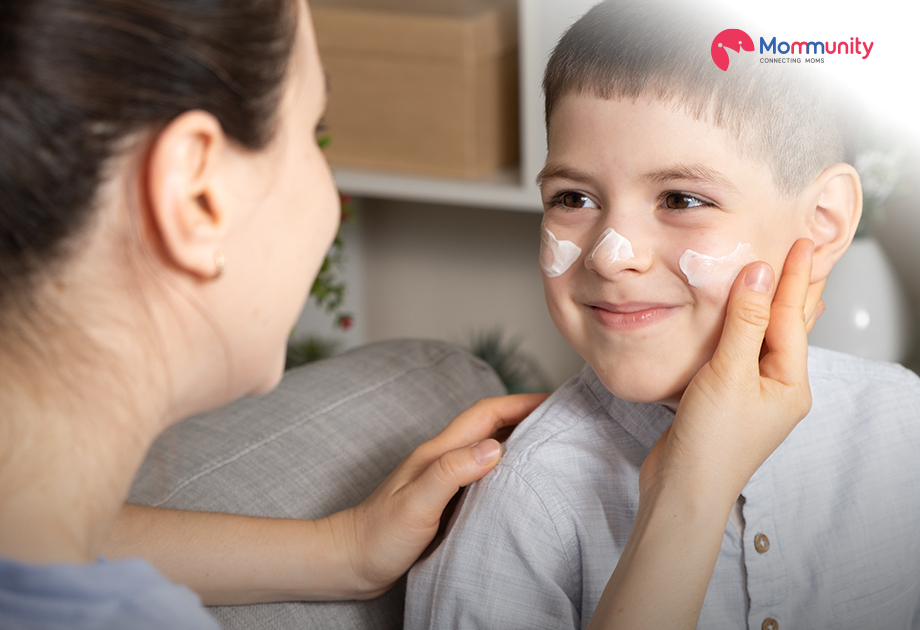
When winter hits! And the air turns cold and dry, you may find yourself fighting with itchy patches, flaky skin, and red spots on your child’s arms or your own cheeks. Dry skin during winter is common, but you don’t have to accept it simply. With the right care, you and your children can enjoy comfortable, healthy skin throughout the chilly months.
Here are some simple and natural skin care strategies you can follow at home.
What makes skin dry in winter?
- First of all, the cold air outside has very low humidity.
- Secondly, when heating is turned on indoors, the air becomes even drier.
- Your skin will dry out quickly in these conditions.
- Hot showers and harsh soaps strip the skin of its natural oils.
- Additionally, children’s skin is thinner and therefore, even more susceptible to drying out.
As for how to take care of skin in a more natural way:
1. Gentle, kind cleansers
- Wash with lukewarm water, not hot.
- Make baths and showers short.
- Do not use scented soaps or bath bombs, or bubble baths.
- Pat skin dry instead of rubbing.
2. Moisturize while the skin is damp
- Go with a thicker cream or oil as soon as the skin is damp.
- Be careful to choose fragrance-free products and not be duped by ‘natural scents’.
- Moisturize again during the day if required.
3. Improve the air inside
- Use a humidifier to add moisture to the air inside.
- Avoid excessive heat in your home.
- Wear soft clothing and fabrics that breathe.
4. Protect skin when outside
- When you go outside, cover your hands, cheeks, and lips.
- Avoid direct contact with harsh wool.
5. Use natural moisturizers

- Shea butter and coconut oil are two excellent choices.
- Petroleum jelly will seal in moisture.
- Oatmeal baths will help alleviate irritated skin.
6. Drink water and eat a healthy diet
- Don’t forget to hydrate.
- Include healthy fats in your meals.
7. Monitor for signs of severe dryness
- Cracks that bleed or constantly itch.
- Red patches that do not improve.
- If it worsens, seek medical attention.
Also Read: 7 Steps To Protect Your Child’s Dry Skin In Winters
Daily Routine for Dry Skin
Morning
- Wash your face and hands appropriately.
- Moisturize once you have dried off with your towel.
- Dress in layers made of cotton or soft material.
Afternoon
- Moisturize your hands when you feel dry.
- Have a travel-size cream with you or at work.
Evening
- Have a quick bath or shower in lukewarm water.
- Moisturize immediately after drying off.
- Wear cotton sheets, pajamas, or a sleep sack.
Tips for Moms
- Keep a tub of moisturizer in various areas of your home.
- Put cotton gloves on your child for outdoor chores.
- Wash winter clothing before use.
- Make moisturizing a family habit.
What to do if it isn’t getting better
- Seek professional help if the skin is cracking, red, or painful.
- Don’t wait too long before you seek help if over-the-counter products haven’t improved the skin.
Also Read: 5 Health Implications Of A Room Heater On Your Child
Why natural care helps moms
- Simple steps are easier to follow.
- Shared routines work better.
- Less stress about harsh products.
Taking care of your skin during winter doesn’t have to be complicated or costly. The right simple, natural solutions, combined with a few easy daily routines, will go a long way to protect your family’s skin from winter’s worst. Keep it simple, be consistent, and don’t forget: a little care goes a long way. Your skin (and your child’s) should feel as comfortable and soft as possible, even if the air outside is dry and cold.
FAQs
- Is it safe for me to use the same moisturizer as my child?
It is safe as long as it is gentle and unscented.
- How often should my child be moisturized?
Moisturizing at least twice daily is a good idea, more if the skin seems particularly dry.
- Will drinking water help a dry skin problem?
It helps skin health in general, yes.
- Is a humidifier necessary?
A humidifier definitely helps, particularly if the air in your home is dry.
- What if my child is fidgeting and scratching a lot?
You may want to moisturize frequently and dress the child in clothing that is soft. Let the doctor know if it does not improve.