

Activities Matter for Motor Skills Development in Children
Many parents worry about motor development only when something becomes difficult. A child avoids crayons. Feeding feels messy for longer than expected. Running looks awkward. Climbing feels uncertain. Buttoning, stacking, catching, or jumping seems harder than it should be.
In many homes, the answer is not a long program or a shelf full of special tools. It is a short, repeatable practice.
Small daily tasks can support motor skills, motor skills development, activities to develop fine motor skills, childhood motor development, and gross motor skills in childhood more than parents often expect. A few minutes of play dough, sticker peeling, ball rolling, animal walks, spoon transfers, or cushion stepping can build strength, coordination, control, and confidence over time.
Quick answer
If you want the shortest useful answer first, these are some of the best short activities for motor skills at home-
- sticker peeling
- play-dough squeezing
- spoon transfer games
- clothespin clipping
- drawing short lines and shapes
- cushion stepping
- animal walks
- ball rolling and catching
- jumping over a line
- simple obstacle paths
These activities help because they give children regular chances to use their hands, balance their bodies, plan movements, and playfully repeat everyday actions.
Why short activities help children so much
Children learn movement through repetition. A skill gets easier when the body gets more chances to practice it. That is why short activities often work so well. They are easier to repeat, easier to fit into family life, and easier for children to tolerate without frustration.
A ten-minute activity sounds small, but when it happens often, it adds up. A child who squeezes dough three times a week, climbs over cushions most evenings, and peels stickers during quiet time is getting more movement practice than a child who does one long planned activity every few weeks.
Short tasks also feel lighter. Your child is less likely to resist. You are less likely to postpone it. That matters because consistency usually helps more than intensity.
What motor skills actually mean
Parents often hear the words but do not always get a simple explanation. Motor skills usually fall into two main groups.
1. Fine motor skills
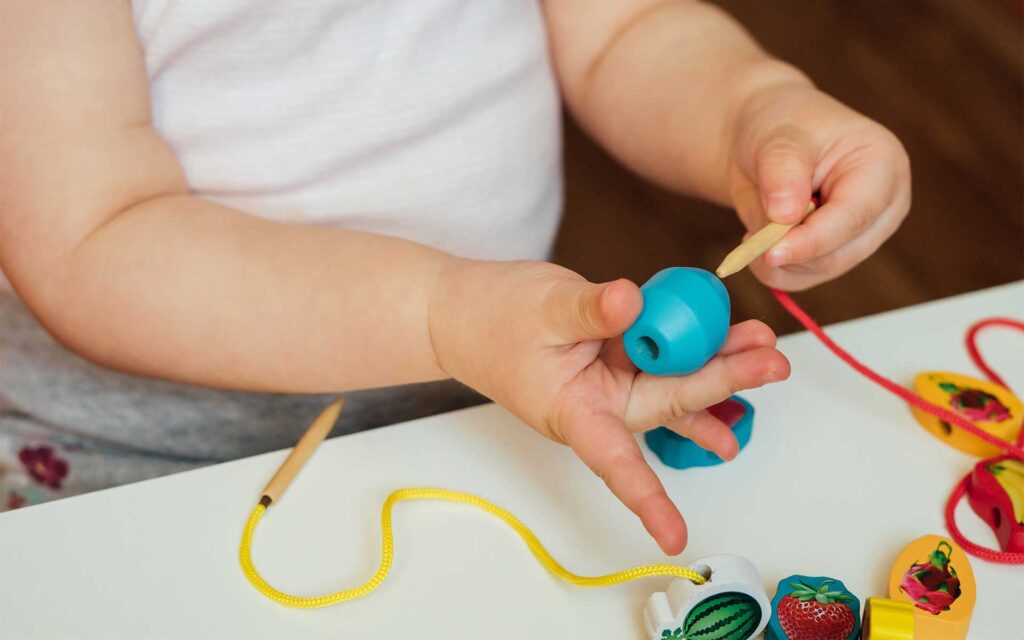
Fine motor skills use the smaller muscles in the hands and fingers. These skills help your child-
- hold a spoon
- grip a crayon
- turn pages
- stack blocks
- zip and button clothing
- pick up small objects
- draw, tear, pinch, and thread
These small movements are a big part of everyday independence.
2. Gross motor skills in childhood
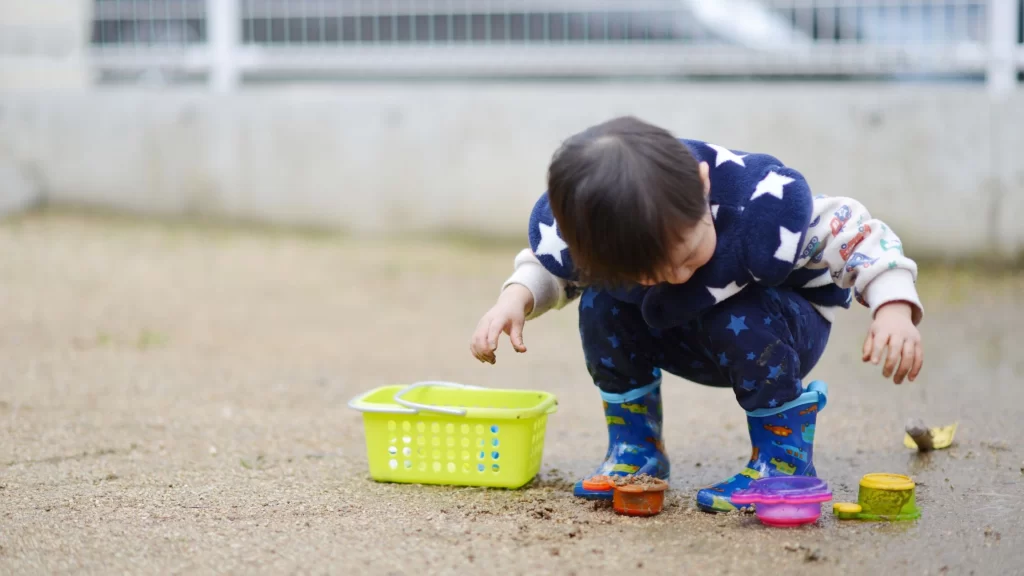
Gross motor skills use the larger muscles of the body. These skills help your child-
- sit steadily
- crawl
- walk
- run
- jump
- climb
- balance
- throw and kick
- change body position with control
Children need both. A child can be active and still need hand-strength practice. Another child can enjoy drawing and still need more full-body movement.
Signs your child may benefit from more motor practice
Every child grows at a different pace, so a little variation is normal. Still, some patterns can tell you that a simpler practice may help.
You may notice that your child-
- avoids puzzles, crayons, or stacking games
- gets frustrated quickly with spoons, zippers, or small objects
- seems unsure while climbing, jumping, or balancing
- uses one hand much more than the other for tasks that need both
- tyres quickly during active play
- avoids activities that involve catching, throwing, or stepping carefully
These signs do not always point to a serious problem. Sometimes they simply show that your child needs more chances to practice in a calm, low-pressure way.
Best short activities to develop fine motor skills
The best activities to develop fine motor skills are often the simplest ones. They should allow your child to pinch, grip, squeeze, place, pull, or control small movements without making the task feel too hard.
1. Sticker peeling and placing
Give your child stickers and ask them to peel and place them on paper, a notebook, a shape, or a picture.
Why it helps
- builds finger strength
- improves hand-eye coordination
- supports controlled placement
2. Play-dough squeezing and pinching
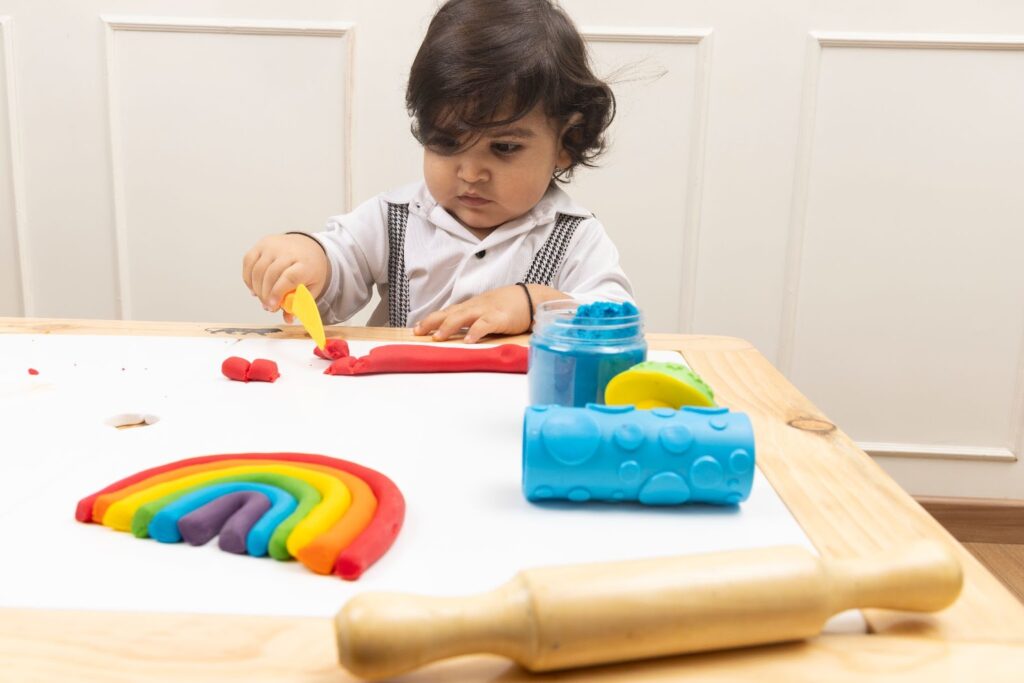
Play-dough is one of the easiest tools for fine motor practice. Your child can squeeze, pinch, roll, flatten, and pull it apart.
Why it helps
- strengthens hand muscles
- supports finger control
- makes practice feel playful
3. Spoon transfer games
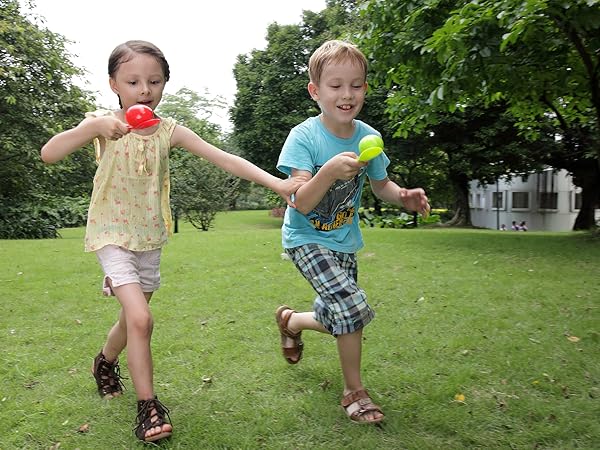
Place cotton balls, dry pasta, pom-poms, or other safe items in one bowl and ask your child to move them into another with a spoon.
Why it helps
- improves wrist control
- supports grip and coordination
- builds focus during hand tasks
4. Clothespin clipping
Ask your child to clip clothespins onto a basket, cardboard edge, or box.
Why it helps
- builds hand strength
- improves finger pressure control
- encourages both hands to work together
5. Paper tearing and crumpling
Give your child old paper, newspaper, or scrap sheets to tear and crumple.
Why it helps
- strengthens fingers and palms
- supports bilateral hand use
- gives a child a clear hand-based task without much setup
6. Threading large beads or pasta
Use a thick string and bigger pieces for younger children.
Why does it helps
- improves coordination
- supports visual attention
- builds patience, and hand control
7. Drawing short lines, dots, and shapes
Use crayons, chalk, or markers. Keep it simple.
Why it helps
- improves grip and control
- builds early writing readiness
- supports hand precision
Best short activities for gross motor skills in childhood
Children also need full-body practice. Strong gross motor skills in childhood help children move more confidently in play, sports, and daily routines.
1. Cushion stepping path
Place cushions, folded blankets, or floor markers and ask your child to step from one to the next.
Why it helps
- improves balance
- builds body control
- supports movement planning
2. Animal walks
Ask your child to move like a bear, frog, crab, or bunny.
Why does it helps
- strengthens the body
- improves coordination
- builds body awareness
3. Ball rolling and catching
Start with rolling. Move to light tossing when your child is ready.
Why it helps
- improves timing
- supports coordination
- builds confidence with two-handed movement
4. Jump over a line
Use tape on the floor or an imaginary line.
Why it helps
- strengthens legs
- improves balance
- supports movement confidence
5. Dancing to music
Use short songs with marching, clapping, turning, freezing, bending, and reaching.
Why does it helps
- improves rhythm and body control
- ? Supports listening and movement together,
- turns practice into play
6. Tiny obstacle paths
A simple course can include crawling under a chair, stepping over a pillow, and walking around a basket.
Why does it helps
- improves coordination
- supports motor planning
- builds confidence with movement changes
7. Pushing and pulling tasks
Try a laundry basket, toy bin, or light box.
Why it helps
- uses larger body muscles
- builds strength
- gives movement a purpose, and children understand
Easy ways to support motor skills during normal routines
Many parents think they need separate activity time. Usually, they do not. Some of the best motor development activities at home happen during normal routines.
You can use everyday moments such as-
During meals
- carrying a spoon
- scooping soft food
- pouring a little water with help
- stirring batter or yoghurt
During dressing
- pulling socks
- opening Velcro
- pushing arms through sleeves
- trying larger buttons or zippers
During cleanup
- moving toys into a basket
- stacking books
- carrying light objects
- putting blocks into containers
During outdoor time
- climbing
- kicking a ball
- stepping over low objects
- chasing bubbles
- walking on uneven ground
During quiet play
- crayons
- stickers
- dough
- puzzles
- paper tearing
- simple threading
These short moments support childhood motor development without making the day feel heavy.
How much activity is enough
Parents often look for a perfect number. In most homes, the better goal is simple consistency.
A few short chances to use the hands and body every day are often enough to support progress. That can mean-
- One fine motor activity
- one gross motor activity
- active play during the day
- small hand-use tasks built into routines
The point is regular practice, not a perfect schedule.
How progress usually shows up
Motor progress is often gradual. It may not show up in one big moment. More often, you notice it in ordinary tasks.
You may see that your child-
- grips a crayon more easily
- spills less while eating
- climbs with more confidence
- balances better while stepping
- jumps without hesitation
- catches a ball more smoothly
- uses both hands together more comfortably
- gets less frustrated during puzzles, dressing, or drawing
These small changes are meaningful. They show that practice is doing its job.
What if your child refuses these activities
This is common. Children often pull back from tasks that feel difficult, boring, or unfamiliar.
A few changes can make a big difference-
- Keep the task short
- make it playful
- lower the difficulty
- Stop before frustration gets too strong
- Repeat it another day
You can also offer choices. A child may say no to clothespins but happily say yes to stickers. That still counts as useful hand practice.
When to talk to your paediatrician
Sometimes a child simply needs more practice. Sometimes it helps to ask for guidance. Speak with your paediatrician if-
- Your child struggles a lot with walking, climbing, or jumping
- Hand use feels unusually hard for everyday tasks
- One side of the body seems to be avoided
- A skill your child had before is lost
- Frustration around movement keeps increasing
- Your concern is staying with you over time
Early discussion is helpful. It does not mean you are overreacting. It means you are paying attention.
A simple weekly routine that actually feels doable
You do not need a complicated plan to support motor skills development.
A simple weekly pattern can look like this-
Monday
- stickers
- ball rolling
Tuesday
- play dough
- cushion stepping
Wednesday
- spoon transfer
- jumping over a line
Thursday
- clothespins
- animal walks
Friday
- drawing shapes
- dancing
Weekend
Repeat the activities your child liked most.
This works because it is realistic. It fits home life. It does not require special preparation every day.
Best short activities for motor skills at a glance
If you want one quick list to come back to, start here-
- sticker peeling
- play dough squeezing
- spoon transfers
- clothespin clipping
- tearing paper
- drawing lines and shapes
- cushion stepping
- animal walks
- ball rolling
- jumping over a line
- dancing
- obstacle paths
These support both fine and gross movement in ways children can manage.
The Final Note
Children do not build stronger movement skills only through big activities. They build them through repeated use in ordinary life.
A few minutes of squeezing, tearing, clipping, carrying, drawing, stepping, jumping, and climbing can support motor skills, motor skills development, activities to develop fine motor skills, childhood motor development, and gross motor skills in childhood in a steady and practical way.
You do not need expensive materials. You do not need long sessions. You do not need a perfect system.
What helps most is much simpler. Give your child regular chances to use their hands, move their body, and practice with less pressure.
FAQs
Q1. What are motor skills in children?
A. Motor skills are the movements children use in daily life. Fine motor skills involve hands and fingers. Gross motor skills involve larger body movements such as walking, jumping, climbing, and throwing.
Q2. What are the best activities to develop fine motor skills at home?
A. Sticker peeling, play-dough, spoon transfers, clothespins, paper tearing, threading, and simple drawing are all useful choices.
Q3. How can I improve gross motor skills in childhood at home?
A. Use cushion paths, animal walks, jumping games, dancing, ball play, obstacle paths, and supervised stair practice.
Q4. How long should motor skills activities be?
A. Short sessions often work well. Even a few minutes done regularly can help.
Q5. What if my child gets frustrated easily?
A. Keep the activity shorter, easier, and more playful. Stop before frustration builds too much and try again later.
Q6. When should I worry about motor development?
A. If your child struggles a lot with movement, avoids one side of the body, loses a skill, or finds everyday tasks much harder than expected, speak with your paediatrician.
Disclaimer
This blog/article is intended for general informational and educational purposes only. It is not a substitute for professional medical advice, diagnosis, or treatment. Always consult your doctor or qualified healthcare provider with any questions about a medical condition, symptoms, or treatments.