
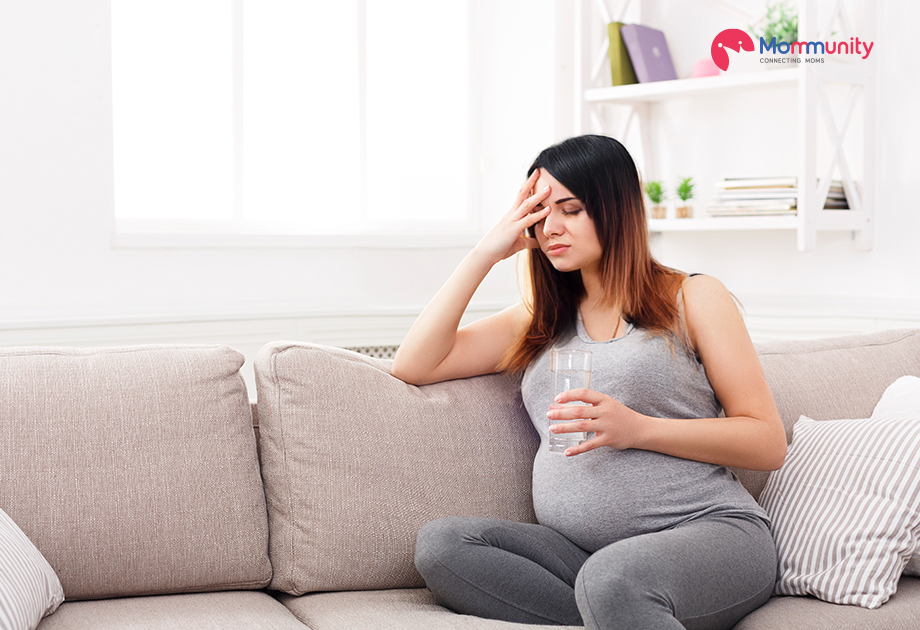
Pregnancy brings joy, but it also brings unexpected emotions. One moment you’re laughing, and the next, you’re crying over a TV ad. These mood swings are very common, and you’re not alone. Let’s understand why they happen and what you can do to feel more in control.
Why Do You Feel So Emotional During Pregnancy?
There are a few simple reasons:
Hormones: Your body makes more pregnancy hormones that can impact how you feel from an emotional perspective. They can enhance emotions or make them change quickly.
Physical Changes: You’re dealing with tiredness, nausea, back pain, and other physical changes. When your body doesn’t feel well, it can influence your mood.
Sleeping Issues: A lot of moms-to-be may not sleep well. A lack of sleep will make everything harder when it comes to managing stress or not feeling overwhelmed.
Concerns: You probably have many thoughts regarding whether your baby is healthy, your body, your job, or your finances. Just worrying about these things causes stress and may lead to mood issues.
Feeling overwhelmed: This is a lot of change. It is okay to not feel ready or confident. Even good changes can be stressful!
Common Emotional Signs During Pregnancy
Everyone is different, but here are some feelings you might notice:
- Crying easily
- Getting irritated quickly
- Feeling anxious or worried
- Feeling very happy and then suddenly low
- Trouble focusing
- Feeling tired all the time
- Doubting yourself
These changes can happen any time during pregnancy, but they might be stronger in the first and last few months.
When Do Mood Swings Typically Occur?
Mood swings can begin as early as a few weeks into a pregnancy. The first trimester will feel like an emotional rollercoaster. Some days you may cry more than usual and feel upset by the smallest things. While things usually settle down in the middle of pregnancy, they may return toward the end when you are feeling heavy from carrying your baby and the day you deliver your baby is near.
Just as every person experiences emotions differently, avoid comparing yourself with others. The most important thing is how you cope with your feelings and the level of support you feel from anyone around you. These mood changes often come along with Physical Changes In Body that can also affect how you feel and respond emotionally.
What Can You Do To Feel Better?
Here are some simple, real-life ideas you can use:
1. Allow Your Feelings
- Remind yourself that you are experiencing mood swings because it is perfectly normal.
- Don’t feel guilty or upset about having a bad day.
- Consider journaling your feelings down somewhere or talking out loud to someone to communicate your feelings.
2. Talk About it
- Including your partner, friend, or family member, be sure to talk to someone about your thoughts and feelings.
- Sometimes just saying something out loud and talking through your feelings can be a burden released.
- Consider joining a pregnancy group – even online! Other moms can provide support because they have experienced pregnancy too!
3. Try to Relax
- Take deep breaths when you feel overwhelmed.
- Listen to calming music.
- Try light stretching or pregnancy-friendly yoga.
- Try simple mindfulness or guided audio relaxation.
4. Move Your Body
- Go for a short walk daily. Even 15 minutes can help.
- Stretch gently or dance to your favourite music.
- Movement boosts your mood and helps you sleep better.
5. Improve Your Sleep
- Try to have a bedtime and wake-up time every day.
- You can use pillows to be more comfy.
- Take naps when you can.
- Avoid screens and heavy meals near bedtime.
6. Eat to Your Moods
- Enjoy meals regularly to keep your energy stable.
- Eat plenty of fruits and vegetables, whole grains, and proteins like dal, eggs, or nuts.
- Don’t skip meals maintaining a Healthy Pregnancy Diet can help balance your mood and energy.
- Drink plenty of water every day.


7. Do the Things You Like
- Watch a feel-good movie or a show.
- Listen to your favourite songs.
- Draw, write, cook, or read.
- Small joys can increase your happiness
8. Create Short-Term Goals
- Split tasks into smaller, actionable steps.
- Focus on what is relevant today.
- Don’t expect to complete everything in one sitting, and feel free to take breaks.
9. Eliminate Stress Triggers
- Minimize things or people in your life that won’t help reduce your stress.
- Consider saying no to additional work.
- Limit social media and news consumption.
10. Contact a Therapist if Needed, If You Feel Below
- Have felt sad or hopeless for multiple days
- Worry all the time and cannot settle down
- Feel out of control
Then you should reach out to your physician. You might also find it useful to get in touch with a counsellor or a therapist who could work with expecting moms! Getting support early can make a big difference.
What You Can Do With Your Partner
Your partner can be your strongest support network. Here are some things you can do with them:
- Let them know what you value when you’re struggling
- Ask them to read about emotions and pregnancy, either together or separately
- Spend leisure time together
- Let your significant other know when you would like support or space
- Sometimes it can even help just to have someone sitting with you quietly.
Support Systems During Pregnancy
Talking to other people is often helpful:
- Your doctor or nurse
- A therapist or counselor
- People within your circle – other pregnant women
- Family and friends
You are not intended to go through pregnancy alone. The more support you have, the better you will feel.
Helpful Reminders for Moms-To-Be
- You don’t have to be happy all the time
- Rest is part of self-care
- It’s okay to ask for help
- Your feelings are valid
- One tough day doesn’t define your whole pregnancy
Be gentle with yourself. You are growing a life, and that’s no small job. Every small step you take to feel better is a big win.
Pregnancy comes with emotional ups and downs. Be gentle with yourself. You’re doing something amazing by growing a new life. Small steps can help you feel calmer and more in control.
FAQs
Q1: Is it normal to feel sad or angry while pregnant?
Yes. Many women experience emotional side effects during pregnancy. This is part of the experience.
Q2: What do I do if I can’t stop crying or worrying?
Talk to your doctor. Sometimes simply talking to a counsellor is sufficient.
Q3: Will this affect my baby?
Some diminished mood symptoms should not affect your baby. If you are extremely stressed or down, however, it would be a good idea to get help.
Q4: Can I take medication for my anxiety or sadness?
Only a doctor can treat this, moreover, you should never take any medications without checking first.
Q5: What can help my partner?
Supporting your partner by listening, giving support, and helping deal with everyday tasks can help.
Only for educational purposes. Not to be used for legal medical purposes. Consult your HCP first, always.