
Pregnancy brings big changes to your body, your life, and your emotions. You want your baby to grow well, and you want to stay strong and healthy too. These tips will help you take care of yourself and your child from the moment you find out you’re expecting.
Why Prenatal Care is Important
Having good prenatal health may lower your risk of preterm birth, low birth weight, and a few other complications
Your nutrition, lifestyle, and stress all play a role in fetal growth and the long-term health of your child.
Many problems related to pregnancy can be prevented or appropriately managed by following simple practices.
Key Tips for a Healthy Pregnancy
Below are important actions you can take. They cover food, exercise, medical checkups, mental health, and habits.
1. Get regular prenatal checkups
- Start seeing a healthcare provider (your obstetrician, midwife, or qualified practitioner) as soon as you know you are pregnant.
- Use these visits to monitor your blood pressure, weight gain, fetal growth, screening for gestational diabetes, anemia, etc.
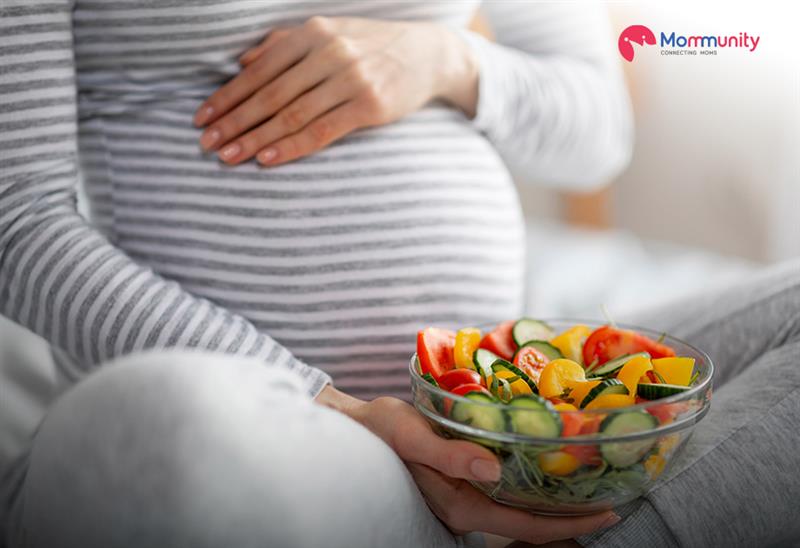
2. Follow a balanced, nutrient-dense diet
Why it’s Important
Many pregnant women in India are consuming a diet that is deficient in a few key nutrients. Research suggests that deficiencies in iron, folate, vitamin B12, vitamin D, and protein are common.
What you should aim for:
Protein: Helps build the baby’s tissues. You may require more protein than usual. For Indian pregnant women, average protein intake is usually below desirable levels.
Iron and Folic acid: Helps prevent anemia and neural tube defects. The majority of public health programs in India have surely included Iron-Folic Acid (IFA) supplementation.
Vitamin D, B12, Calcium: Commonly deficient in many women, especially those who are eating a diet low in fortified foods and/or dairy and/or have less exposure to the sun.
Fruits, vegetables, whole grains, pulses: Provide fiber, vitamins, and minerals. Again, some studies suggest that many pregnant women are not consuming the recommended daily servings.

Practical suggestions:
- Consuming foods from a variety of sources: dairy or alternative, lean meats/ legumes, dark green leafy vegetables, seasonal fruits.
- If large meals make you nauseous, eat smaller frequent meals.
- Don’t skip meals.
- Stay hydrated (water, fresh fruit juices, but limit sugar-sweetened beverages).
3. Weight Gain During Pregnancy and Healthy Weight Gain
- Insufficient weight gain may result in low birth weight. Excessive weight gain may result in complications from gestational diabetes or high blood pressure.
- Research has shown that many women start their pregnancies already underweight, and the average weight gain during pregnancy is often less than recommended. According to Indian studies, the average rate of weight gain during pregnancy is less than either the global or Indian recommendations.
- The healthcare provider should help you establish a target weight gain based on your pre-pregnancy BMI.
4. Stay Physically Active
Gentle movement can be extremely beneficial (walking, prenatal yoga, swimming, light stretching).
Physical activity has been shown to reduce your risk of developing gestational diabetes, ease back pain and improve your mood and sleep quality.
Always get approval from your HCP for exercise, especially if you have a high-risk pregnancy.
5. Rest, Approach Stress Management, Sleep
- Sleep: Try for 7-9 hours of sleep in a comfortable position, and use pillows for additional support.
- Stress can affect your health and your baby’s development, so please use different relaxation techniques to facilitate stress management, such as leisure activities, mindfulness practices like meditation, deep-breathing exercises, and talking with friends or a counselor.
- Avoid over-committing. You might consider asking family or friends for help.
6. Avoid harmful substances
- Quit smoking, avoid secondhand smoke. Smoking raises the risks of preterm birth, low birth weight.
- Limit alcohol. Best to avoid completely during pregnancy.
- Avoid recreational drugs.
- Be careful with over‑the‑counter medicines, consult your healthcare professional (HCP).
7. Watch out for warning signs
You should call your HCP right away if you notice:
- Vaginal bleeding
- Severe abdominal pain
- Sudden swelling in the hands, feet, or face
- Decreased fetal movement (after 24 – 25 weeks)
- High fever
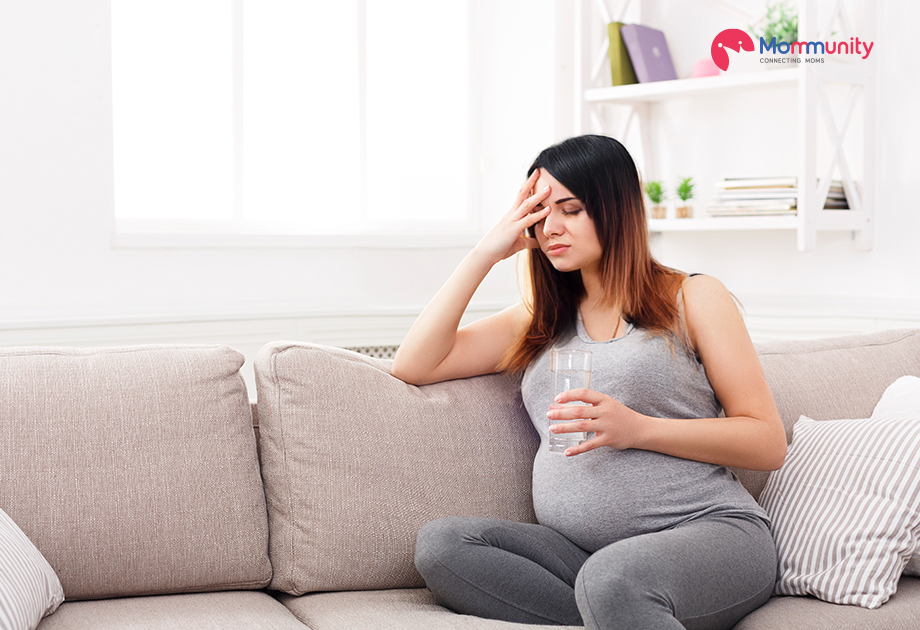
- Severe headache or vision changes
- Recognizing these signs early helps prevent more serious problems.
8. Learn to plan in advance
- Learn about options for labour & delivery, a birth plan.
- Know where you will be delivering. Plan logistics (i.e., transport, finances, hospital bag).
- Learn about breastfeeding; breastfeeding begins soon after birth.
9. Build a support system into your plan
Consider the opportunity to share some responsibilities with your partner and family. You may be surprised at how simply having people in the same room as a physical and emotional support makes a big difference.
Consider finding a Prenatal class or prenatal group. Talking with other pregnant mothers can help.
Be as open as possible about any fears, considerations, expectations, or preferences, with your partner, family and healthcare professional.
What To Expect Week by Week / Trimester Breakdown.
Every expecting person will have a different timing, but a general outline looks like this:
First Trimester (weeks 0 ‑ 13): Confirm pregnancy, initiate prenatal vitamins, mark your calendar for folic acid, establish an early check-up routine with your provider, manage any nausea, and develop a routine of healthy eating and rest.
Second Trimester (weeks 14-26): Your energy is likely to return. Start to increase your nutrient intake (iron, calcium, protein), start gently exercising, begin monitoring your pregnancy weight gain, and test for gestational diabetes (generally around weeks 24-28).
Third Trimester (weeks 27-40): Continue your healthy eating, continue adding calcium and iron, manage sleeping and discomforts, develop your birth plan, research check-ups (may become weekly), track your baby’s movement.
FAQs
Q1: Are prenatal multivitamins necessary if I eat well?
A: Even with a good diet, there can be nutrient gaps (iron, folate, vitamin B12, and vitamin D). Prenatal vitamins help fill those. But always choose what’s recommended for you by your doctor.
Q2: Can I exercise during pregnancy, and what kind is safe?
A: Yes, exercise is beneficial unless there are medical concerns. Safe activities often include walking, swimming, prenatal yoga, and stretching. Avoid contact sports or anything with a risk of falling. Always check with your HCP.
Q3: What foods should I avoid during pregnancy?
A: Avoid raw or undercooked meat, unpasteurized dairy, excessive caffeine, certain fish high in mercury, alcohol, and smoking. Be careful with street food hygiene. Wash fruits/vegetables well.
Q4: How can I manage morning sickness and food aversions?
A: Eat small, frequent, bland meals. Keep crackers by your bed. Ginger tea or ginger‑based remedies (safe ones) often help. Avoid strong smells. Stay hydrated.
Only for educational purposes. Not to be used for legal medical purposes. Consult your HCP first, always.