Pregnant and Planning a Trip? Start Here
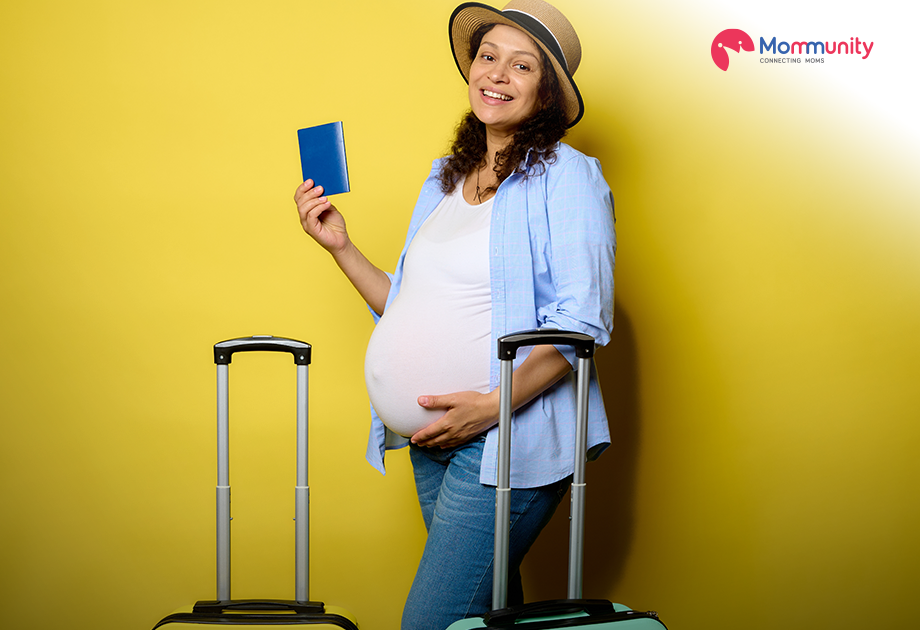
Planning a trip during pregnancy can bring two feelings at once. One part of you wants the break. The other part keeps checking small details that never felt this important before. How long will you be sitting? Will you get meals on time? What if you feel unwell on the way? What if you need a doctor and you are far from home?
The safety of travelling during pregnancy provides different answers to different people. For many women, travel during pregnancy is completely manageable. The safety of your trip depends on three factors: your health status, your current pregnancy stage, the type of journey you are undertaking and its medical assistance accessibility.
The good news is that most trips do not need fear. They need planning.
A simple answer first
The standard answer to your travel question during pregnancy shows that you can travel when your pregnancy progresses normally and your doctor shows no concerns about your health. A short, comfortable trip with enough rest is very different from a rushed plan which requires long sitting periods while providing inadequate food choices and lacking access to medical facilities.
That is why travel during pregnancy should be judged by comfort and safety, not by excitement alone.
Talk to your doctor before you book
Before you confirm tickets or hotel rooms, speak to your doctor or midwife. That conversation matters more than anything you read online. Your doctor knows your blood pressure, your scan history, your symptoms, and whether there is any reason to be careful.
This becomes even more important if you have any of the following-
- Vaginal bleeding
- High blood pressure
- Preterm labor risk
- Placenta previa
- Severe swelling
- Twins or a higher-risk pregnancy
- A pregnancy that needs frequent check-ups
Sometimes the answer is not “do not go.” Sometimes the answer is “go later,” “take a shorter trip,” or “choose a place with better medical access.” That small shift can make a big difference.
When travel usually feels easier

For many women, the second trimester feels easier for travel during pregnancy. The first trimester can come with nausea, vomiting, food aversions, and heavy tiredness. The third trimester can bring back pain, swelling, poor sleep, and discomfort during long journeys.
That does not mean every second-trimester trip will feel smooth. It simply means your body may handle the strain better during that time than it would very early or very late in pregnancy.
Even then, it helps to stay realistic. Pregnancy already asks a lot from your body. Travel should not push it harder than necessary.
What makes a trip feel manageable
A sensible pregnancy trip is usually the one that leaves room for rest. It does not try to fit too much into one day. It does not leave you hungry, dehydrated, or stuck in transit for hours with no break.
Before you finalise anything, ask yourself a few basic questions-
- How far is the nearest good hospital from where you will stay
- Will you have access to safe drinking water and proper meals
- Does your insurance cover pregnancy-related emergencies
- Can you take breaks easily during the journey
- Will the weather be too hot or too tiring
- Are you going somewhere where medical help is hard to reach
A destination may look beautiful in photos and still be the wrong choice during pregnancy.
Precautions for travelling while pregnant

The most useful precautions for travelling while pregnant are practical. They are the kind of things that make the trip easier on your body from the beginning.
Start with your essentials. Keep your prenatal records, prescriptions, blood group details, and your doctor’s contact number with you. Do not bury those things deep in a suitcase. Keep them easy to reach.
Then plan around your body, not around the trip alone.
Helpful precautions include-
- Keeping snacks with you so that long gaps between meals do not drain you
- Drinking water regularly instead of waiting until you feel thirsty
- Wearing loose, comfortable clothes
- Keeping medicines in your handbag or cabin bag
- Avoiding overpacked schedules
- Choosing stays where you can rest properly
These things sound small until you travel without them.
Long sitting hours need more attention than most people realise
One of the biggest issues in pregnancy travel is not the distance itself. It is a long sitting. Too many hours in one position can leave you swollen, stiff, tired, and uncomfortable. Pregnancy already slows you down in ways that are easy to underestimate until you are actually on the road or in the air.
That is why movement matters.
Try to-
- Move your feet and ankles often
- Stand up and walk when it is safe
- Stretch during breaks
- Avoid staying seated for too many hours without movement
- Ask your doctor whether compression stockings make sense for you
A trip becomes much harder when your body feels trapped in one position for too long.
If you are flying
Flying can be manageable during pregnancy, but it needs a little more thought than usual. Different airlines have different rules, especially in a later pregnancy, so check that early instead of assuming it will be fine.
Once you are on the flight, comfort matters. Choose an aisle seat if possible. It makes it easier to get up, walk a little, and use the washroom without feeling stuck. Keep water, snacks, medicines, and important documents with you. Dress for comfort, not appearance.
Your seat belt should sit low under your bump, across your hips, with the shoulder belt across your chest.
Even a short flight can feel longer in pregnancy. Give yourself more recovery time than you normally would.
If you are taking a road trip
Road trips can feel easier because you control the pace. That helps, but long drives still take a toll. Backache, leg cramps, swelling, tiredness, and frequent bathroom needs can turn a simple drive into a hard day.
A better approach is to break the journey into smaller parts. Stop every one to two hours when you can. Walk a little. Stretch gently. Drink water. Eat on time. Use the washroom before you feel desperate.
A slower trip is often the smarter trip.
Food, water, and destination risks

Pregnancy is not the time to be casual about food and water safety. A stomach infection can leave you weak and dehydrated faster than usual. Heat can tire you out quickly. Poor hygiene at a destination can create problems you would rather not deal with away from home.
Be careful with-
- Undercooked meat
- Unpasteurized dairy
- Unsafe drinking water
- Food that has been sitting out too long
- Poorly handled street food in hot weather
Also pay attention to the destination itself. Extreme heat, mosquito-borne illness, and poor medical access should be taken seriously. A holiday is not worth it if the location itself adds avoidable risk.
Some activities are better skipped
Pregnancy is a time to be a little more selective. That does not mean you have to sit in a room and do nothing. It simply means high-risk activities are rarely worth it.
Use extra caution with-
- Scuba diving
- Watersports with impact risk
- Horse riding
- Motorcycle rides
- Adventure sports
- Long, physically demanding outings in harsh heat
Gentle plans are often enough. A comfortable stay, slow walks, rest, and simple outings can still make the trip feel good.
Signs you should never ignore while away
Do not wait until you get home if something feels wrong. Get medical help right away if you notice-
- Vaginal bleeding
- Leaking fluid
- Severe stomach pain
- Chest pain
- Trouble breathing
- Fainting
- Fever
- Severe headache
- Vision changes
- Reduced baby movement
- Pain, redness, or swelling in one leg
These symptoms should never be brushed aside during pregnancy, whether you are travelling or resting at home.
The Final Note
Travelling during pregnancy operates under safe conditions because most people who travel during this time can travel safely. Five main factors determine how safe travel becomes for pregnant women, which include their travel time, their health conditions and actual physical comfort and distance to medical emergency services. The safest trip is usually the one that leaves room for rest, proper meals, hydration, easy movement, and quick medical support if needed. You do not need a dramatic plan. You need a thoughtful one. Your travel plans require you to consult your doctor because their medical advice will determine all your travel arrangements. The entire plan becomes more understandable through that initial step.
FAQs
Q1. During pregnancy, is it safe to travel by plane
A. For many women with an uncomplicated pregnancy, yes. What matters most is your doctor’s advice, your airline’s rules, how far along you are, and how comfortable the journey will be for your body.
Q2. What are the main precautions for travelling while pregnant
A. The main precautions include medical clearance, carrying your records, staying hydrated, moving during long journeys, eating safely, resting enough, and choosing a destination where medical care is easy to access.
Q3. Is road travel safer than flying during pregnancy
A. Not always. Long car journeys can be tiring too. The real issue is how long you stay seated, how often you move, and whether the trip allows proper rest and comfort.
Q4. When should you avoid travel during pregnancy
A. Travel may need to be delayed if you have bleeding, preterm labour risk, placenta previa, severe blood pressure issues, or any pregnancy that needs close medical supervision.
Q5. Can you travel in the second trimester
A. Many women find the second trimester more manageable for travel because early nausea may have settled, and the physical strain of late pregnancy may still be lower.
Disclaimer
This article is intended for general informational and educational purposes only. It is not a substitute for professional medical advice, diagnosis, or treatment. Always consult your doctor or qualified healthcare provider with any questions about a medical condition, symptoms, or treatments.