
Having a baby? It is indeed an amazing experience, but your body also goes through many changes afterward. One of the most common, and likely surprising, changes is postpartum bleeding.
Regardless of whether you delivered vaginally or via C-section, postpartum bleeding is a completely normal part of the process of recovery from childbirth. However, many new moms wonder how long it lasts, what is considered “normal,” and when they should contact a healthcare provider.
This guide will help you understand the process of postpartum bleeding, what to expect, and how to care for yourself during your recovery.
What is postpartum bleeding?
Postpartum bleeding is basically the shedding of the lining of your uterus after childbirth. Postpartum bleeding is made up of blood, mucus, and tissue from the womb. This bleeding is different from your period because it will last longer and has to do with the process of childbirth and healing.
Bleeding occurs whether a baby arrives through vaginal birth or C-section. Postpartum bleeding may vary by amount and duration, but it generally follows a predictable pattern.
What Causes Postpartum Bleeding
Your uterus develops a thick lining to accommodate your baby during pregnancy. After your baby is delivered, this lining, along with any remaining blood from where the placenta was attached, needs to exit your body. The uterus contracts to eliminate this content, which causes bleeding during the weeks after birth.
These contractions, sometimes called afterpains, can be more pronounced while breastfeeding because your body releases the hormone oxytocin which makes the uterus tighten.
How Long Will I Have Postpartum Bleeding?
For most mothers:
First few days: Heavy bleeding, bright red, heavy period-like bleeding.
First week: Heavier bleeding reduces, bleeding color changes to pink or brown.
Weeks 2-4: Light spotting or yellowish discharge.
By 6 weeks: Bleeding usually stops. Though some women may experience spotting longer.
How Long Does Bleeding After C-section last?
If you’ve had a C-section, you may expect less bleeding, but that’s not always the case. The process is similar because the uterus still needs to shed its lining.
- First few days: Moderate to heavy bleeding is normal.
- Weeks 2–4: Flow should reduce, with lighter discharge.
- By week 6: Most women see bleeding stop, but light spotting can continue.
Some mothers may notice that their C-section delivery recovery time feels longer because of the incision healing, so rest and gentle care are important.
Factors That Can Affect Recovery Time
Several factors can influence how long you bleed after childbirth:
- Delivery method – Vaginal births may have slightly heavier bleeding at first, and C-sections involve surgical recovery in addition to bleeding.
- Breastfeeding – Stimulates uterine contractions, which can speed healing but sometimes increase spotting in the short term.
- Activity levels – Overexertion can cause bleeding to become heavier again.
- Pre-existing conditions – Blood clotting disorders or anemia can change your recovery pattern.
What’s Normal After Giving Birth
You can expect:
- Bright, red bleeding that lasts for a few days.
- That bleeding will change from bright red to pink, brown, then yellow/white.
- You might see small clots (no larger than a golf ball).
- You might have heavier bleeding after getting up from rest or during breastfeeding.
When to be Concerned
Some variation is expected, and it is ok to watch for a few days, but you will want to seek medical help if any of the following happen:
- You soak through a large pad in less than an hour.
- You pass a clot the size of a golf ball (or larger).
- You have bleeding that stops, then restarts heavily.
- You have foul-smelling discharge (could indicate infection).
- You feel dizzy, have a rapid heartbeat, or feel weak (could indicate hemorrhage).
Postpartum Hemorrhage vs. Normal Bleeding
Postpartum hemorrhage is excessive bleeding (more than 500 ml after vaginal birth or 1,000 ml after C-section) and can happen within 24 hours of delivery or even weeks later.
If you have heavy bleeding combined with symptoms like dizziness or low blood pressure, seek urgent care.
How long does bleeding last after a C-section as compared to vaginal birth?
Generally speaking:
Vaginal birth: 4-6 weeks of bleeding
C-section: 4-6 weeks, sometimes shorter, but spotting may last for up to 8 weeks
For C-section delivery, the biggest difference is that the recovery time from delivery also includes surgical recovery, so you’ll want to pay attention to incision care while also monitoring bleeding.
Also Read: Vaginal Pain During Pregnancy
Managing Bleeding At Home After Baby
Here are a few tips to support your own care at this time:
- Use maternity pads – Do not use tampons or menstrual cups until your doctor has approved them.
- Rest Often – Overdoing it can lead to heavier bleeding.
- Stay Hydrated – Staying hydrated will help your body recover more quickly.
- Watch your bleeding – Keep track of flow, buy some panty liners if needed, and look for changes in color or odor.
- Wear breathable underwear – Cotton will help your skin and avoid irritation.
How Your Body Heals After a C Section
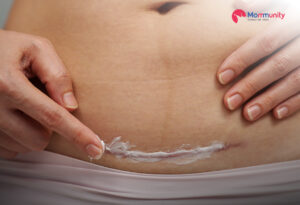
C-section delivery recovery time is typically longer because of the abdominal incision. Along with internal healing, your uterus is shrinking back to its pre-pregnancy size, which is why bleeding continues.
- Avoid lifting heavy objects for at least 6 weeks.
- Keep your incision clean and dry.
- Attend all postpartum check-ups to ensure proper healing.
How to Know If Bleeding Is Your Period Coming Back
For breastfeeding mothers, periods can take a long time to return, weeks, and months, but spotting can happen. It is not typically until about 6 weeks postpartum that bleeding, if it becomes regular bleeding, may be a menstrual cycle.
When to Call Your Doctor
You should call your health care provider when:
- Bleeding is heavy after the first week.
- You experience a sudden increase in flow if it has diminished.
- Discharge has a strong odor or unusual color.
- You have excess abdominal pain.
Supporting your healing
Think about recovery as more than just a physical well-being aspect. It is an emotional process as well. There are many factors that can contribute to your recovery, physical and emotional. Fatigue, adjusting hormones and caring for a new baby can be demanding and challenging. Give your body time to heal and ask for help when you need it!
Quick Recovery Tips for C Section Mothers
- Take prescribed pain relief as directed.
- Support your abdomen with a pillow when coughing or sneezing.
- Wear loose, comfortable clothing to avoid pressure on the incision.
- Follow your doctor’s advice on exercise and lifting
How Long Does Bleeding After C Section Last?
For most women, bleeding progressions go something like this:
- Heavy bleeding lasts 1-2 weeks,
- Light bleeding or spotting may go on for up to 6 weeks.
- It is also normal to have occasional spotting beyond that, as long as it is not heavy.
Everybody heals differently, and it is important to track your own symptoms and discuss them with your doctor.
Postpartum bleeding is a normal part of recovery after having a baby, regardless of whether your birth was vaginal or cesarean. Knowing what is normal and what is not, will help you feel more reassured during this time.
If you have symptoms that are concerning to you, trust your instincts and reach out to your healthcare provider. With rest, self-care, and support, your body will heal, and it will be over soon.
Also Read: Choosing the Right Birthing Method for Your Delivery