Understanding Postpartum Identity Crisis After Having a Baby
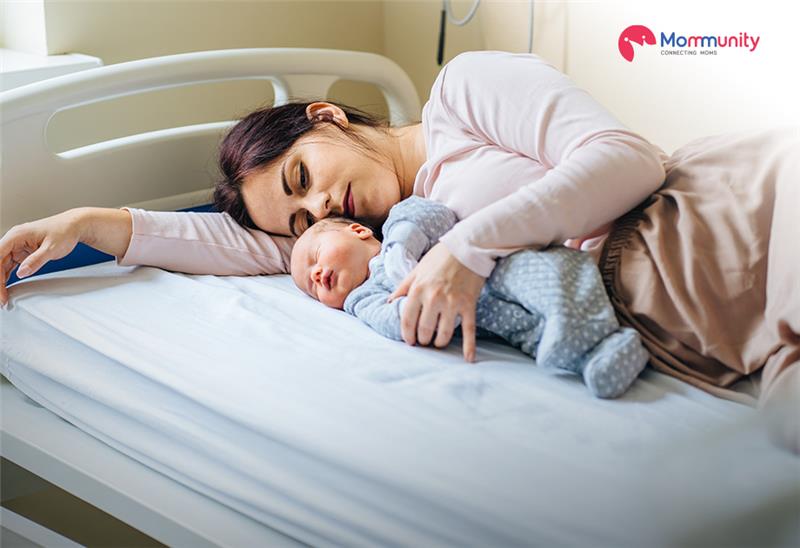
You can love your baby deeply and still miss the person you were before motherhood.Your actions do not show selfishness. Your actions do not show you are a bad mother.Your existence now includes changes to your body and your relationships and your personal identity and your life schedule. The postpartum identity crisis exists as a common experience among many women. You may love your baby but you experience pain because you lost your previous life and your former independence and your recognizable self.
The experience of missing your previous identity after becoming a mother is a common situation. Most people underestimate the emotional challenges that come with new motherhood. The first emotional experience for some women appears as a subtle form of sadness. For others the experience creates confusion and guilt and emotional distance and an unidentified loss.
What It Means to Miss Yourself After Having a Baby

When you miss yourself after having a baby, you are usually grieving parts of life that once helped you feel steady and familiar.
You may miss-
- Your freedom
- Your work identity
- Your body feeling like your own
- Your social life
- Your quiet time
- Your old confidence
- The simple rhythm of doing one thing without interruption
This is why the loss of identity after motherhood can feel so confusing. You can feel grateful and worn out. You can feel bonded to your baby and still feel distant from yourself.
Why a Postpartum Identity Crisis Happens

A postpartum identity crisis often grows out of real changes, not weakness.
Your sleep changes. Your body is still healing. Your hormones shift. Your schedule stops feeling like your own. You may spend most of the day meeting someone else’s needs while putting your own on hold.
The loss of identity after motherhood can also grow when people only ask about the baby and stop asking about you. You become the default planner, feeder, rememberer, and worrier. Over time, that can leave you feeling invisible in your own life.
That feeling is heavy. It is also more common than many mothers realise.
What Feeling Lost After Becoming a Mother Can Look Like

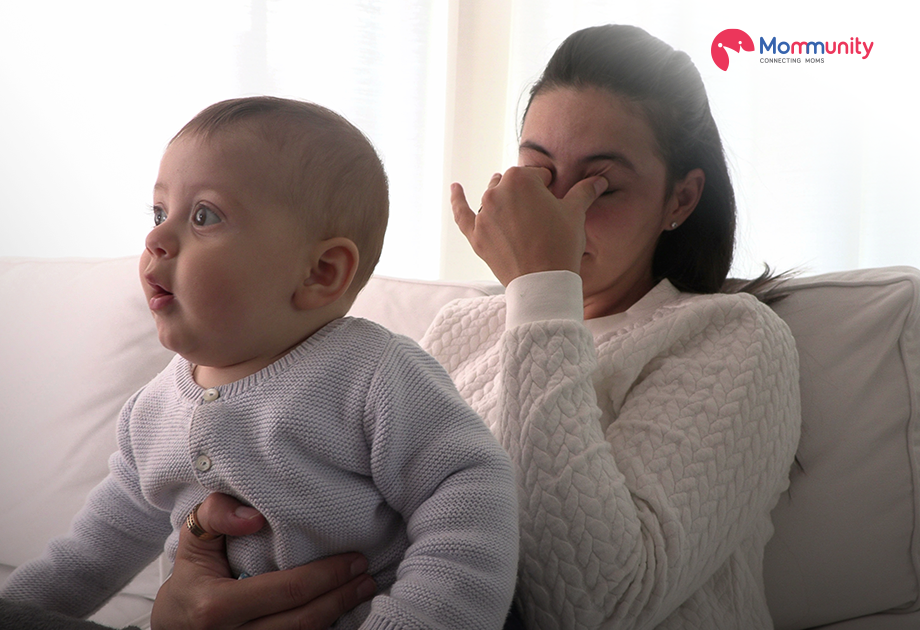
Feeling lost after becoming a mother does not always look dramatic. A lot of the time, it is quiet.
You might notice-
- Crying more than usual
- Feeling flat when everyone expects joy
- Wanting time alone and then feeling guilty for it
- Missing your old life in ways you do not say out loud
- Feeling touched out and short-tempered
- Struggling to answer simple questions about what you want
- Feeling invisible outside the role of “mum”
These emotional changes after childbirth can sit inside ordinary days. You may still care for your baby well. You may still be doing everything that needs to be done. You may still feel unlike yourself.
Is This Normal Adjustment or Something More
Both can be true.
Many new mothers go through emotional ups and downs in the early weeks after birth. Some feelings settle with time and support. Some begin to feel heavier, longer, and harder to carry.
You should speak to a doctor or mental health professional if-
- You feel low most of the day
- The sadness lasts longer than two weeks
- You feel numb or detached
- You cannot rest even when the baby rests
- You feel panic, dread, or constant fear
- You are having thoughts that scare you
You do not need to wait until things get worse. Getting help early can make a real difference.
How to Start Feeling Like Yourself Again

You do not need to rebuild your whole identity in one week. You need small steps that make room for you again.
Name the Feeling
Say the sentence as it is.
I miss myself after having a baby.
That sentence can bring relief. Once you stop fighting the feeling, you can start caring for it.
Bring Back One Part of Your Old Self

Pick one thing that belonged to you before motherhood and make space for it again.
You could-
- Read for ten minutes before bed
- Wear clothes that feel like you
- Take a short walk alone
- Listen to music you loved before pregnancy
- Write in a notebook for five minutes
- Call a friend who knows you well
These small returns matter when you are feeling lost after becoming a mother.
Ask for Practical Help
Vague offers rarely help. Specific help does.
Ask for-
- One uninterrupted shower
- One hot meal you do not have to prepare
- Thirty minutes to lie down
- Someone to hold the baby after a feed
- Help with laundry or dishes
- One evening with no visitors
When support is practical, your mind and body get a break.
Stop Measuring Yourself Against a Perfect Version of Motherhood
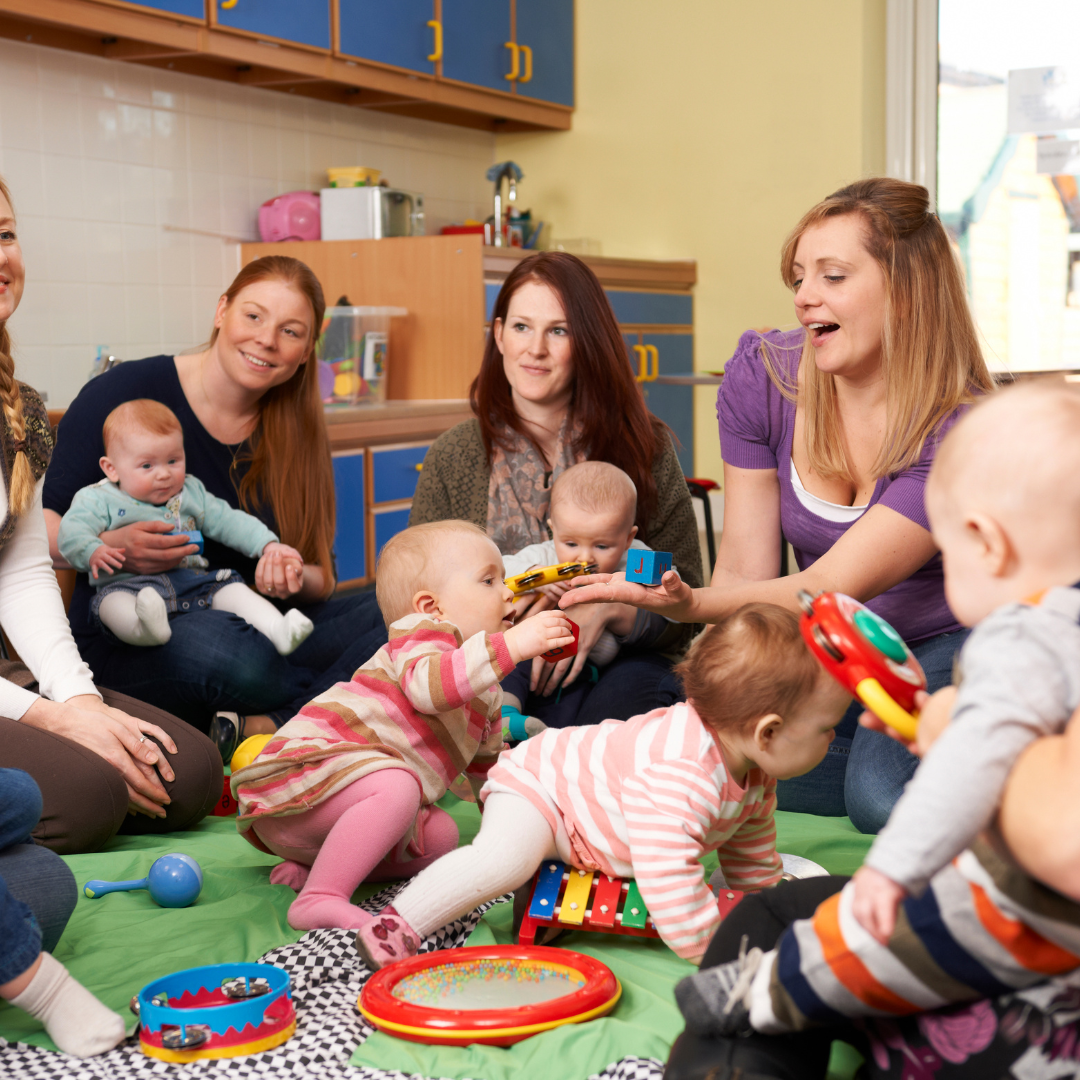
A lot of mothers feel worse because they think they should be coping better. That pressure makes a postpartum identity crisis feel heavier.
Try gentler language-
- I am adjusting
- I am tired, not failing
- This season is hard
- I can love my baby and still need support
- Missing my old self does not make me ungrateful
Keep Medical Care in the Picture
Your instincts matter. Your doctor matters too. If the emotional changes after childbirth start feeling bigger than you can carry, ask for help early.
There is no prize for suffering quietly.
A Line Worth Holding On To
A simple truth many mothers connect with is this. From the moment motherhood begins, your entire being undergoes a transformation. The difficulty of explaining this season arises because you exist as your true self while your character has undergone changes.
FAQs
Q1. Is it normal to miss yourself after having a baby?
Yes. Many mothers miss their old routine, independence, work identity, body, or freedom after birth. Missing those parts of life does not cancel your love for your baby.
Q2. What is a postpartum identity crisis?
A postpartum identity crisis is the feeling that your sense of self has shifted so much after birth that you no longer feel fully connected to who you were before. It can show up as grief, confusion, irritability, guilt, or feeling lost after becoming a mother.
Q3. Is the loss of identity after motherhood common?
Yes. Many women go through deep emotional and personal changes as they move into motherhood, even if they do not always talk about it openly.
Q4. How do I know if these emotional changes after childbirth need medical help?
If the sadness, anxiety, hopelessness, or disconnection lasts longer than two weeks, affects daily life, or feels too heavy to manage, speak to a healthcare professional.
Q5. Will I feel like myself again?
In many cases, yes. You may not return to the exact version of yourself from before, though many mothers do feel steady, clear, and familiar again with time, support, and proper care when needed.
The Final Note
If you miss yourself after having a baby, you are not alone. A postpartum identity crisis and the loss of identity after motherhood are more common than many mothers admit. These emotional changes after childbirth do not make you a bad mother. They make you human. Give yourself time, support, and space to reconnect with yourself.
Disclaimer
This blog is for general informational and educational purposes only. It is not a substitute for professional medical advice, diagnosis, or treatment. Always consult your doctor or a qualified healthcare provider with questions about your pregnancy, health, or delivery options.