
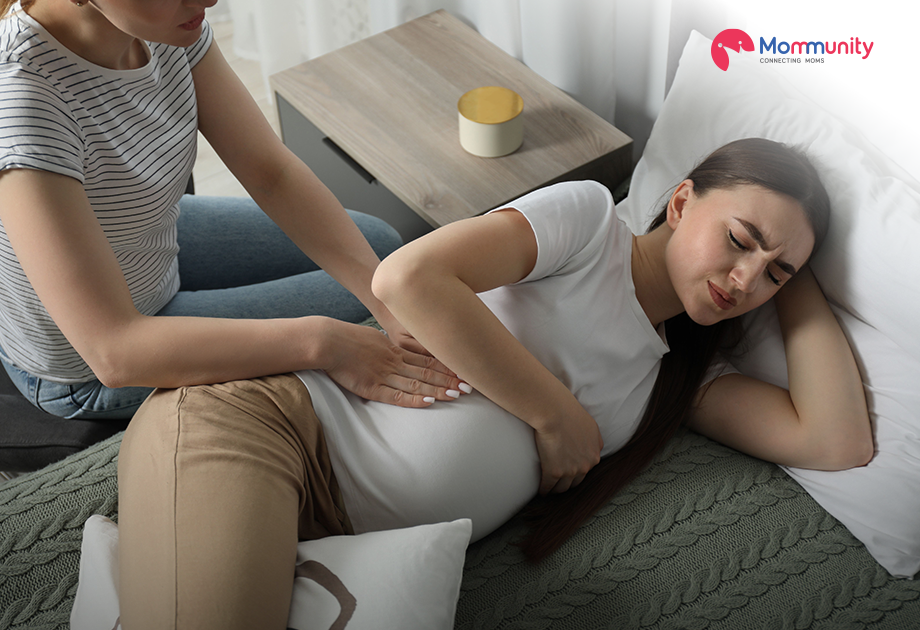
Why Pregnancy Feels Uncomfortable at Times and What Can Help
Pregnancy generates three different feelings which include excitement and emotional responses and physical challenges. Your body will experience sufficient comfort on certain days. The body experiences a combination of nausea and heartburn and back pain and swelling and sleeplessness on other days. People become more exhausted when multiple symptoms appear because their daily activities become harder to perform which includes eating and walking and resting and getting dressed.
The body experiences multiple common discomforts which women must endure throughout their pregnancy journey. The common symptoms which people experience during pregnancy remain difficult to handle. The body expects a symptom when you need to feel anxious and exhausted and frustrated about it. Understanding your bodily functions requires you to know your safe home remedies and the appropriate time to consult your doctor or midwife.
The guide describes common pregnancy discomforts which women experience and provides safe methods for relief and explains which medical signs need assessment.
Why pregnancy discomfort happens
Your body experiences changes during pregnancy which affect almost every bodily system. Your body experiences multiple changes because your body produces more hormones while your digestion system operates at a reduced speed and your body develops new postures and your joints become more flexible and your uterus exerts pressure on your internal organs and muscles. The body exhibits multiple symptoms together because of this condition which prevents single symptoms from appearing.
Constipation develops when digestion slows down because people need to process food more quickly. The combination of posture changes and body weight increases results in higher levels of back pain and pelvic discomfort. Poor sleep patterns lead to intensified symptoms which become worse during the following day.
Most pregnancy symptoms and their corresponding solutions link to essential fundamental concepts. Meal timing and hydration and gentle movement and body support and timely medical advice.
The most common pregnancy discomforts
Some symptoms come up more often than others.
Common discomfort during pregnancy may include
- nausea and vomiting
- heartburn and indigestion
- constipation
- back pain and pelvic discomfort
- swelling in the feet, ankles, and hands
- headaches
- leg cramps
- poor sleep
You may experience only a few of these, or several at different stages. Either way, discomfort does not mean you are handling pregnancy badly. It means your body is working hard.
Nausea and vomiting

Nausea stands as the first recognizable symptom which most people associate with pregnancy. Some women experience mild symptoms which appear and disappear throughout the day. The condition leads to major changes in their eating habits and daily activities and their levels of vitality. The condition known as morning sickness according to people operates throughout the entire day. The body experiences this reaction because hormones which control pregnancy process reach their highest levels during the first trimester of pregnancy. The condition becomes worse through strong odors and an empty stomach and exhaustion and specific types of food.
What may help
- Eat small amounts more often instead of waiting until you feel very hungry.
- Keep plain, easy foods nearby, especially early in the day.
- Sip fluids slowly through the day instead of drinking a lot at once.
- Notice which smells, foods, or times of day make symptoms worse.
- Rest when you can, because tiredness often makes nausea feel stronger.
Even so, if vomiting becomes frequent, you cannot keep fluids down, or you feel weak and dizzy, speak to your doctor or midwife. That needs proper attention.
Heartburn and indigestion
Heartburn becomes one of the most irritating pregnancy discomforts because it appears after meals and when you attempt to sleep. The hormones released during pregnancy usually cause the body to relax its stomach acid control muscles. The burning sensation becomes more common when the baby reaches maturity because the increased abdominal pressure affects the body.
The patient experiences three symptoms which include a burning sensation in the chest and a feeling of fullness after eating and an increase in discomfort during nighttime hours.
What may help
- Eat smaller meals instead of very heavy ones.
- Avoid lying down immediately after eating.
- Keep your upper body slightly raised when resting.
- Notice whether spicy, oily, or rich foods make symptoms worse.
- Wear clothing that does not feel tight around your waist.
These are some of the most useful pregnancy pain relief tips when heartburn is the issue. If it keeps happening, ask your care team about safe treatment options.
Constipation
Pregnant women experience constipation which causes them to feel constant abdominal discomfort throughout their daily activities. The body experiences this condition because the hormones from pregnancy process food at a slower rate. Iron supplements lead to worse health problems in some situations.
The condition is common but it still has the potential to disrupt a person’s ability to eat, rest and maintain their emotional state.
What may help
- Add more fiber through fruits, vegetables, lentils, beans, and whole grains.
- Drink enough water across the day.
- Stay gently active if your doctor has said it is safe.
- Go to the toilet when you feel the urge instead of delaying it.
- Ask your doctor before taking constipation remedies on your own.
This is one of the clearest examples of how to relieve pregnancy discomfort naturally with small daily habits.
Back pain and pelvic discomfort

Back pain is one of the most common reasons pregnancy starts to feel physically heavy. The body undergoes three changes which occur when your baby reaches its growing stage because your body needs to support the weight of the growing child. The result of this process causes your back and hips and pelvic region to experience pain and fatigue and muscle tension. Women experience different patterns of pain because some people develop symptoms after standing for extended periods. The symptoms appear when some people walk or get out of bed or turn in their sleep.
What may help
- Keep gently active instead of staying still for too long.
- Wear supportive shoes.
- Sit down while dressing instead of balancing on one leg.
- Avoid lifting heavy things where possible.
- Use a pillow between your knees while sleeping on your side.
- Ask about pregnancy-safe exercises or physiotherapy if the pain keeps returning.
These pregnancy pain relief tips may sound simple, yet they often make a real difference when followed regularly.
Swelling in the feet, ankles, and hands
Swelling often becomes more noticeable later in pregnancy, especially by evening or after a long day on your feet. The condition manifests through tighter shoes and uncomfortable rings and a heavy sensation that affects your legs and feet.
The body retains extra fluids during pregnancy which results in mild swelling that most women experience during this period.
What may help
- Put your feet up when you get the chance.
- Avoid standing for long periods without breaks.
- Wear comfortable shoes and avoid anything too tight.
- Drink water regularly.
- Change position often through the day instead of staying still for too long.
What matters most here is the pattern. Gradual swelling is common. However, sudden swelling, especially in the face or hands, should be discussed with your doctor or midwife quickly.
Headaches

Headaches can happen more often during pregnancy because of hormonal changes, poor sleep, dehydration, hunger, stress, or simply feeling run down. Sometimes they are mild and settle with rest. At other times, they feel stronger and more worried.
What may help
- Drink water steadily through the day.
- Avoid skipping meals.
- Rest in a quieter room if you can.
- Notice whether screen strain or lack of sleep makes it worse.
- Speak to your doctor before taking any pain relief medicine.
A severe headache is different from a mild one. Therefore, if it comes with blurred vision, vomiting, swelling, or pain high in the abdomen, it needs prompt medical advice.
Leg cramps and poor sleep
Sleep during pregnancy becomes challenging because of multiple factors which affect different aspects of sleep. The reasons for your disturbances include discomfort bathroom breaks and your need to shift positions and nighttime heartburn and leg cramps which make it impossible to sleep. Leg cramps create more difficulty for sleep because they occur suddenly with intense pain. Sleep problems lead to increased daytime symptom severity for all other medical conditions.
What may help
- Stretch your feet and calves gently before bed.
- Keep your legs moving through the day.
- Use extra pillows for better support.
- Sleep on your side if that feels more comfortable.
- Keep evening meals lighter if heartburn tends to disturb your rest.
Even though perfect sleep may still be difficult, better comfort usually helps.
How to relieve pregnancy discomfort naturally
Many women want to know how to relieve pregnancy discomfort naturally before turning to medicines. In most cases, that is a sensible first step, as long as the symptom is mild and your doctor has not already given special advice.
Natural relief usually begins with steady, basic support rather than anything complicated.
What usually helps most
- Eat smaller meals more often.
- Drink water regularly throughout the day.
- Include more fiber in your meals.
- Stay gently active if your doctor says it is safe.
- Rest before you become completely exhausted.
- Use pillows and body support while sleeping.
- Notice food, smell, or posture triggers that make symptoms worse.
- Ask for medical advice earlier instead of waiting until the symptom becomes hard to manage.
Overall, these are practical pregnancy symptoms and solutions that fit into daily life and often help more than people expect.
When you should call your doctor or midwife
A lot of discomfort is common, but common does not mean every version of it should be ignored. A symptom deserves quicker attention when it becomes severe, changes suddenly, or comes with warning signs.
Please contact your doctor or midwife if you have:
- severe vomiting
- strong or persistent back or pelvic pain
- a severe headache
- blurred vision or other vision changes
- sudden swelling in the face or hands
- pain under the ribs
- painful urination
- unusual vaginal bleeding or fluid
- severe abdominal pain
- any symptom that feels clearly different from what you have been experiencing so far
You do not need to wait until you are certain something is wrong. If something feels worrying, it is worth checking.
What helps emotionally when discomfort keeps building
One of the hardest parts of pregnancy is that discomfort can become constant. One symptom on its own may feel manageable. Yet several together can leave you tired, emotional, and fed up.
That does not mean you are not coping well. Rather, it means your body is under pressure.
A few reminders matter here:
- You are not weak for feeling tired of being uncomfortable.
- You are not overreacting because a symptom is common.
- You do not have to manage everything alone.
- Asking for help is part of good pregnancy care.
Pregnancy can be deeply wanted and physically hard at the same time. Both things can be true together.
The Final Note
Pregnancy results in many common discomforts which people should expect yet these discomforts remain challenging to handle. Nausea can drain your energy. Heartburn can spoil your evenings. Constipation can leave you uncomfortable for hours. Back pain can make every movement become a challenging task. Swelling and headaches together with sleep difficulties create additional burdens for the person.
The majority of these symptoms show improvement through permanent minor lifestyle modifications and timely medical assistance from your healthcare provider. You do not need to prove strength by suffering quietly. The process of feeling better requires rest and support. The process of feeling better requires both rest and support.
FAQs
Q1. What is the most common discomfort during pregnancy
A. Nausea is one of the most common early discomforts, while heartburn, constipation, back pain, swelling, and headaches are also very common across pregnancy.
Q2. How can you relieve pregnancy discomfort naturally
A. Small meals, good hydration, fiber, gentle movement, better sleep support, and avoiding symptom triggers are often helpful first steps.
Q3. Is swelling normal in pregnancy
A. Mild gradual swelling in the feet, ankles, and hands is common. Sudden swelling, especially in the face or hands, should be checked by a doctor.
Q4. When should a pregnancy headache worry you
A. A severe headache, or one that comes with blurred vision, vomiting, swelling, or upper abdominal pain, should be checked promptly.
Q5.Can constipation and heartburn happen in the same pregnancy
A. Yes. They are both common because pregnancy changes digestion in several ways.
Disclaimer
This blog/article is intended for general informational and educational purposes only. It is not a substitute for professional medical advice, diagnosis, or treatment. Always consult your doctor or qualified healthcare provider with any questions about a medical condition, symptoms, or treatments.