
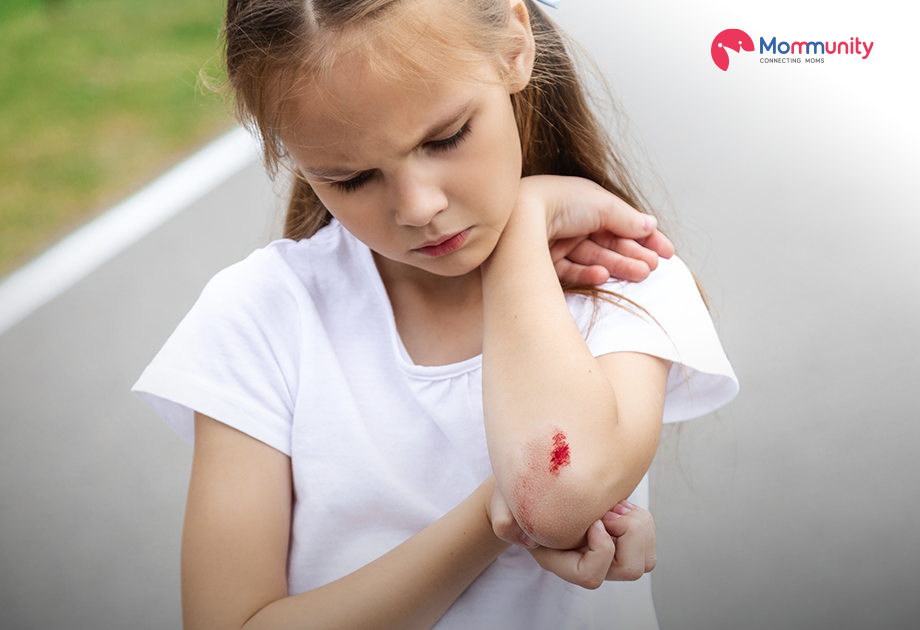
Why Toddler Injuries Happen So Often at Home
Your routine activities with your toddler will transform into stress-filled times which will create problems for you. Your child may start playing peacefully before he/she begins to climb furniture and open drawers and grab items and sprint to the bathroom. The unpredictable nature of this development phase creates its most challenging element which makes it difficult to manage.
Toddlers sustain injuries because they develop physical skills at a faster pace than they learn to recognize hazardous situations. Children possess the ability to walk and run and climb and pull and reach and grab but they lack complete awareness of what items can burn or cause falls or poisoning or choking or bodily harm. People fail to identify hazardous situations which lead to accidents because they remain oblivious until they reach their coping boundaries.
The good news is that many of these injuries can be reduced. Your goal should not be to prevent all bruises and bumps because you cannot achieve this result. The primary aim of this research study focuses on developing methods which will decrease severe accidents through enhanced safety measures and better emergency response systems and advanced childproofing techniques. The guide provides support to users who need safety recommendations for toddlers and wish to understand typical toddler injuries and need to establish a secure home space for toddlers.
Why toddlers get hurt so often
Toddlers are naturally curious. They learn by touching, opening, climbing, pulling, and testing whatever catches their eye. This is a healthy part of development, but it also creates daily risk. Your child wants to explore the world before they have the judgment to do it safely.
That is why toddlers often get hurt during ordinary family routines. You may be cooking, getting dressed, helping an older child, cleaning up after lunch, or answering the door. These are not unusual or careless moments. They are regular parts of daily life, and that is exactly why toddler injuries are so common. The risk often hides in familiar spaces.
Another reason this stage feels so intense is that toddlers change fast. A place that felt safe last week may stop being safe this week because your child has suddenly learned how to climb a sofa, open a cabinet, drag a stool, or reach higher than before. That is why safety at this age needs ongoing updating.
The most common toddler injuries
Some injuries come up more often than others during the toddler years.
1. Falls
Falls are one of the most common toddler injuries. They happen from beds, sofas, chairs, stairs, low tables, windows, and climbing surfaces around the house. Toddlers often attempt things before they have the balance or control to manage them safely.
2. Burns and scalds
Hot tea, coffee, soup, milk, cooking oil, pans, kettles, irons, and recently used appliances can cause serious burns within seconds. A toddler does not understand that steam, heat, or a recently cooked pan can still cause injury.
3. Poisoning
Medicines, vitamins, detergent pods, cleaners, nail polish remover, bleach, pesticides, and small batteries are dangerous for young children. Toddlers explore with their hands and mouths, which makes poisoning a major home risk.
4. Drowning and water accidents
Buckets, bathtubs, bathroom tubs, kiddie pools, open water containers, and stored water can all become dangerous quickly. Water accidents are especially frightening because they happen fast and often quietly.
5. Car and driveway injuries
Toddlers are small, quick, and difficult to spot around vehicles. Poor car-seat use, moving vehicles in the driveway, and casual play near parked cars can all create serious danger.
What makes ordinary homes risky for toddlers
Many parents blame themselves after a close call. That feeling is understandable, but toddler accidents are often less about bad parenting and more about how fast children change at this age.
Your child may now be able to-
- open a drawer that used to stay shut
- climb onto a sofa without help
- pull down a tablecloth
- drag an object closer to climb higher
- reach a shelf that seemed out of range
This is why childproofing a home for toddlers is not a one-time job. It has to keep changing because your child keeps changing.
Childproofing home for toddlers in a practical way
A safer home does not need to be extreme or expensive. The most useful changes are often simple. The goal is to reduce the hazards your toddler can reach right now and then reassess regularly.
1. Living room and common areas
These spaces feel harmless because families spend so much time there. Even then, they often contain hidden risks.
What helps in these areas
- Use safety gates near stairs
- Anchor heavy furniture that could tip
- Move climbable furniture away from windows
- Keep coins, batteries, pins, chargers, and sharp objects off low surfaces
- Tuck away blind cords and curtain ties
- Avoid leaving hot drinks on low tables
One practical habit helps a lot here. Sit or crouch at your toddler’s height and look around from that level. You will notice risks much faster from that angle.
2. Kitchen
The kitchen is one of the highest-risk areas for toddlers because it combines heat, spills, sharp tools, and distracted adults.
Safer kitchen habits
- Turn pot and pan handles inward
- Keep hot drinks and bowls away from table and counter edges
- Do not hold your toddler while carrying something hot
- Store knives, lighters, and small appliances out of reach
- Keep one no-play zone near the stove
- Avoid hanging tablecloths that can be pulled down
Before you begin cooking, pause for a few seconds and ask yourself where your toddler is and what hot items will be within reach. That one pause can prevent a lot.
3. Bathroom
Bathrooms hold several toddler risks at once. Water, slippery floors, medicines, and cleaning products often sit close together.
Safer bathroom habits
- Never leave your toddler alone near water
- Empty buckets and tubs after use
- Keep bathroom doors closed when possible
- Store medicines and cleaners high up and locked away
- Use a non-slip mat if the floor gets wet easily
- Keep razors, scissors, and grooming items out of reach
If you need to leave the bathroom, take your child with you. Even a short gap can be risky around water.
4. Bedroom and play area
These spaces may feel safer because they belong to your child, but they still need regular checks.
Things to watch for
- Furniture that can tip
- Small objects left on the floor
- Loose cords
- Heavy items near shelf edges
- Unstable toy storage
- Sharp décor within reach
These rooms should be reviewed often because toddlers gain new physical skills quickly.
5. Medicines and household chemicals
This deserves extra attention because poisoning can become serious very fast.
Best storage habits
- Keep medicines in their original containers
- Lock them away instead of only placing them high
- Do the same with bleach, detergents, cleaners, pesticides, and similar products
- Watch guest bags carefully because they often contain medicines
- Never pour chemicals into food or drink containers
Out of reach helps. Locked away is safer.
Safety tips for toddlers that help every day
Parents usually manage safety better through simple routines than long complicated rules. A few steady habits go a long way.
1. Do a quick floor-level check
Look at the room from your toddler’s height. What can your child reach, open, pull, or put in their mouth from that view? This works better than checking the room from adult height.
2. Treat water as urgent every time
Do not leave buckets filled after mopping. Do not walk away during bath time. Do not assume a small amount of water is harmless.
3. Make one clear kitchen rule
Toddlers remember simple routines better than long instructions. You may decide that your child stays on one mat, one safe corner, or one chair while you cook.
4. Lock away harmful products
Medicines, bleach, cleaners, detergents, and chemicals should stay locked, not just placed a little higher.
5. Keep driveways off-limits
A driveway should never become a play area. Hold your child’s hand, keep them beside you, or make sure they are fully away before a vehicle moves.
6. Use the car seat properly every trip
No short-distance shortcuts. No quick exceptions. Safe car-seat use matters every single time.
7. Recheck the house often
A drawer that looked harmless a month ago may now be a ladder. A chair that once stayed unused may suddenly become a climbing tool. Safety needs to grow with your child.
How to prevent toddler accidents without becoming fearful all day
After a close call, many parents start feeling that danger is everywhere. That reaction is understandable, but living in constant fear is exhausting. A better goal is to become more prepared, not more panicked.
That means focusing on-
- the most likely hazards in your home
- the moments when supervision matters most
- the routines that reduce daily risk
- the spaces your toddler uses most often
- the habits that need regular updating
You are not trying to remove every challenge from childhood. You are trying to prevent accidents that can turn serious quickly.
When a toddler injury needs urgent help
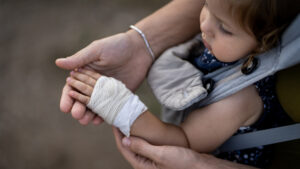
Many toddler injuries are minor. Some need quick medical attention.
Please get urgent help if your child-
- loses consciousness
- has trouble breathing
- has a seizure
- has heavy bleeding that does not stop
- has a serious burn
- swallows something harmful
- vomits repeatedly after a head bump
- becomes unusually sleepy after a fall
- behaves very differently after an injury
If poisoning is suspected, treat it seriously right away.
The Final Note
The active confidence development stage of toddlers results in their frequent injuries throughout this time period. Parents find this situation to be challenging. After experiencing a minor accident you will feel exhausted while worrying about your safety and you will start blaming yourself for all incidents.
Try not to do that. Your first failure does not mean you will experience permanent failure. A bump does not automatically mean you missed something major. Your child safety depends more on your daily practices and your monitoring methods and your home design because these elements help decrease all key dangers that your child cannot yet recognize.
Toddlers experience the most safe environment after you implement effective safety measures which include current home security systems and your constant monitoring of common areas with high risk. This is the demonstration of safe parenting practices which protect children during their toddler development period.
FAQs
Q1. What age is considered toddler age?
Toddler age usually refers to children between 1 and 3 years.
Q2. Why do toddlers fall so much?
Because they are learning to walk, run, climb, and balance while judgment and body control are still developing.
Q3. What are the most common toddler injuries?
Falls, burns, poisoning, drowning, and car-related injuries are among the most common.
Q4. How do you prevent toddler accidents at home?
Use safety gates, lock harmful products away, keep hot objects out of reach, supervise closely around water, anchor furniture, and keep updating your safety setup as your toddler grows.
Q5. What is the most important childproofing step?
There is no single step that covers everything, but locked medicines and chemicals, fall prevention, and strict water safety are among the most important changes.
Q6. When should I worry after a head bump?
Please seek urgent medical care if your toddler loses consciousness, vomits repeatedly, becomes very sleepy, or behaves unusually after the injury.
Disclaimer
This blog/article is intended for general informational and educational purposes only. It is not a substitute for professional medical advice, diagnosis, or treatment. Always consult your doctor or qualified healthcare provider with any questions about a medical condition, symptoms, or treatments.