
When a Few Minutes of Screen Time Change the Rest of Your Toddler’s Day
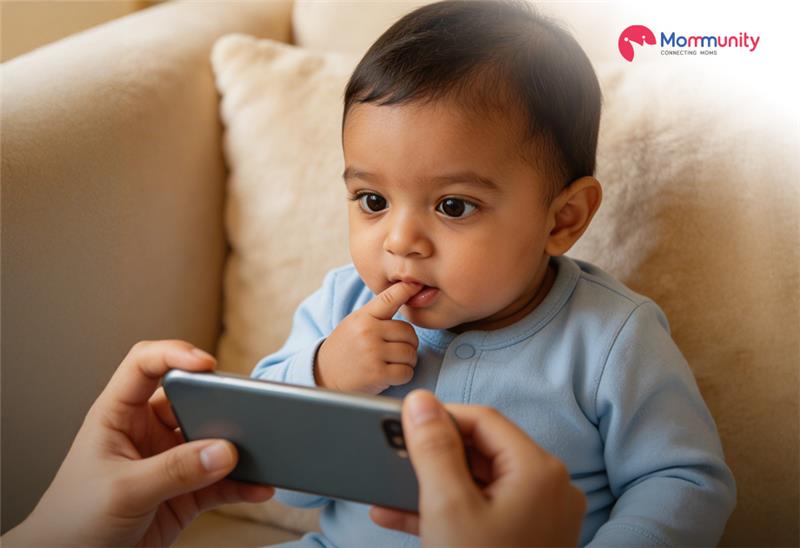
My name is Riya. I am 31, and I have a two-year-old son. One afternoon, I was trying to finish a work call and clean the kitchen at the same time. To keep my toddler busy for a few minutes, I handed him my phone and played with cartoons. The house became quiet right away.
But when I took the phone back, he started crying. He stayed upset through the evening, and by bedtime, he was restless, clingy, and much harder to settle. That was the moment I started wondering whether the screen had actually helped or whether it had just made the rest of the day harder.
Many parents know this pattern.
If you are trying to reduce screen time for toddlers, the change is often bigger than expected. It is not only about less screen use. It can affect your toddler’s mood, sleep, play, and the flow of the whole day.
Signs Your Toddler May Be Using Screens Too Much
Your toddler may be relying too much on screens if they-
- Cry a lot when the phone, tablet, or TV is turned off
- struggle to play with toys or books without asking for a screen
- expect videos during meals, car rides, bedtime, or other routines
- get bored very quickly without a device
- have trouble sleeping after screen use
- show less interest in books, pretend play, outdoor time, or simple activities
- spend less time talking, looking at you, or joining everyday interactions
This does not mean you are doing a bad job. It only means screens may be taking up more space than they should.
What Screen Time Can Replace During the Toddler Years
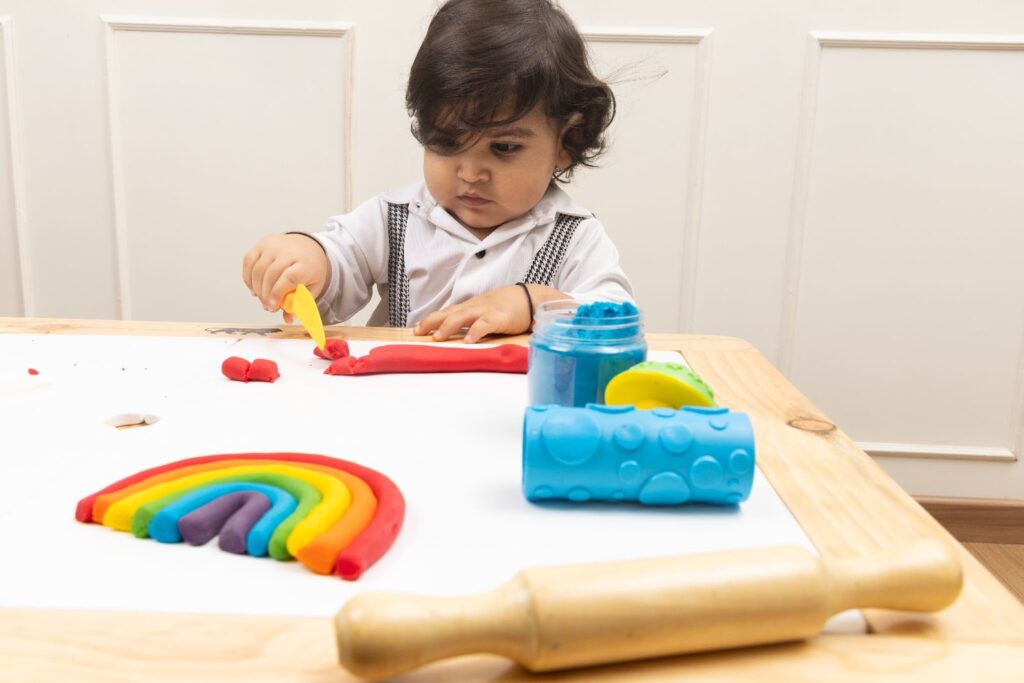
Toddlerhood is a key stage of development. At this age, your child is learning how to talk, focus, play, manage feelings, and connect with people.
Your toddler is still learning how to-
- understand words and simple instructions
- express needs and feelings
- handle frustration
- pay attention for a little longer
- learn through repetition and routine
- connect through eye contact, play, and response
These skills grow best through real-life interaction. The bigger concern is not only what your toddler watches. It is also what screen time may be replacing.
Too much screen time can replace-
- active play
- quiet play
- bedtime routines
- outdoor time
- story time
- conversation
When screens take up too much of the day, toddlers miss everyday chances to build important skills.
What Happens When You Reduce Screen Time for Toddlers
1. Sleep Often Gets Better

One of the first things many parents notice is better sleep.
When screen use goes down, evenings often feel calmer. Watching videos close to bedtime can keep a toddler more alert than they seem. Pediatric guidance and the Canadian Paediatric Society both note links between screen use before bed and sleep problems in young children.
Your toddler may-
- fall asleep faster because the evening feels calmer
- fight bedtime less because there is less excitement before sleep
- wake up in a better mood because sleep feels more settled
- seem less cranky in the evening because their body has more time to slow down
Better sleep does not fix everything, but it often makes the whole day easier.
2. Communication Often Improves
Toddlers learn language by talking, listening, pointing and copying what they hear from you. They acquire their best learning results through your responses, which include naming objects and engaging in conversation with them.
The majority of parents observe increased authentic communication between themselves and their children when their screen time decreases. Reviews and recent research have linked higher or poorly supervised screen exposure with weaker language outcomes, while real parent-child interaction remains central for speech and language growth.
Your toddler may-
- point more often to show you things
- copy more words during daily life
- Try naming familiar objects
- ask for help more clearly
- pay better attention during songs, stories, and rhymes
These changes may seem small at first, but they can grow steadily when your child gets more real interaction.
3. Play Lasts Longer

When screens are not filling every free moment, your toddler has more unplanned time. At first, that can feel uncomfortable. Your child may seem bored, whiny, or clingy because they are used to fast-moving entertainment.
Then slowly, the play starts coming back.
You may notice more interest in-
- blocks and stacking toys
- crayons and scribbling
- pretend play with dolls or toy animals
- picture books
- toy cars and open-ended play
- sensory play, such as water or scooping
This kind of play helps with attention, imagination, movement, and problem-solving.
4. Tantrums Can Get Worse Before They Get Better

This is the hardest part for many parents.
If your toddler is used to screens often, cutting back may lead to stronger reactions at first. The screen may have become their quick way to calm down, pass the time, or deal with boredom.
Your toddler may-
- Cry harder when the screen is taken away
- keep asking for it again and again
- seems more frustrated during quiet moments
- struggle more during transitions
That does not mean reducing screen time is a mistake. It usually means your toddler is adjusting.
5. Your Toddler May Seek More Comfort From You

When screens take up too much time, many everyday connection moments happen less. When screen use decreases, your toddler may turn back toward you more often.
That may look like-
- bringing you books because they want you involved
- asking you to sit nearby while they play
- wanting songs, cuddles, or little routines more often
- following you during chores
- Looking at your face more often for comfort and response
This can feel tiring, but it is often a healthy sign.
What You Can Offer Your Toddler Instead of Screen Time
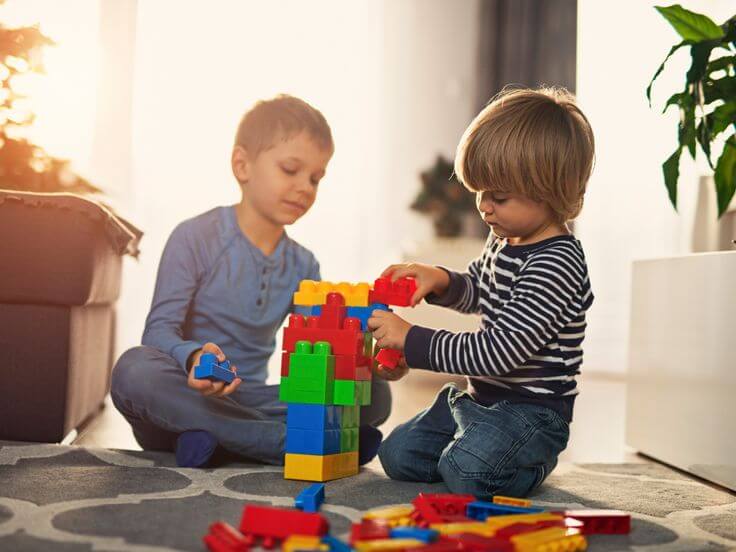
When you remove screens, the hardest part is often deciding what to offer instead.
You do not need expensive toys or a perfect plan. You just need a few simple options ready.
1. For quiet moments
- board books with clear pictures
- crayons and plain paper
- sticker books
- soft toys for pretend play
- basic puzzles
2. For active moments
- ball play in a safe space
- dancing to songs
- cushion climbing with supervision
- running games outside
- water play with cups and bowls
3. For calming moments
- one familiar bedtime book
- simple songs during transitions
- short stories
- cuddling after a meltdown
- looking at family photos together
4. For independent play
- stacking blocks or rings
- toy kitchen sets
- toy cars, animals, or trains
- shape sorters
- safe household items like bowls, spoons, and boxes
These work well because they give your toddler movement, real interaction, slower pacing, and more chances to explore.
How to Reduce Screen Time Without Daily Fights
1. Start with one routine
Do not change everything at once. Start with the screen habit that causes the most stress, such as bedtime videos or phone use during meals.
2. Keep meals and bedrooms free from screens
Meals are a good time to bring back talking. Bedrooms matter because they affect sleep.
3. Keep simple activities ready
If you remove a screen and offer nothing else, your toddler will protest more. Keep easy options nearby, such as crayons, books, toys, music, or water play.
4. Keep devices out of sight
If the phone or tablet is always visible, your toddler will ask for it more often.
5. Stay calm when your toddler protests
Simple responses work best-
- We are done with videos now.
- I know you are upset.
- I am here.
- Let us read a book.
- Let us go outside.
The Final Note
When you cut back on a toddler’s screen time, the biggest change is often not only less screen use. It is the return of things your child needs more right now. Better sleep. Longer play. More talking. More real connection. More chances to handle feelings without a device.
The first phase may feel louder before it feels calmer. That does not mean the change is not working. It usually means your toddler is adjusting to a new routine.
Start small. Stay steady. Give it time.
FAQs
Q1. What happens when you reduce screen time for toddlers?
A. Many toddlers sleep better, play longer, talk more, and rely less on screens for comfort.
Q2. How do I know if my toddler is getting too much screen time?
A. Frequent meltdowns when screens are removed, constant asking for devices, poor play, boredom without screens, and sleep issues are common signs.
Q3. Can screen time affect my toddler’s speech?
A. Yes, especially when it replaces real conversation and interaction, which are important for language development.
Q4. Why does my toddler cry more when I cut back screen time?
A. This usually means your toddler is adjusting and learning to handle boredom or frustration without screens.
Q5. What can I offer instead of screen time?
A. Simple options like books, blocks, crayons, pretend play, music, and outdoor time work well.
Q6. How much screen time is recommended for toddlers?
A. Up to 1 hour per day. Less is better, especially on most days.
References
- World Health Organisation. Guidelines on physical activity, sedentary behaviour and sleep for children under 5 years of age. 2019.
- HealthyChildren.org. Kids & Screen Time- How to Use the 5 C’s of Media Guidance. Updated January 6, 2026.
- HealthyChildren.org. Kids & Screen Time- 5 C’s Questions for Toddlers & Preschoolers. April 30, 2024.
- Canadian Paediatric Society. Screen time and preschool children- Promoting health and development in a digital world. 2023.
- Karani NF, Sher J, Mophosho M. The influence of screen time on children’s language development- A scoping review. 2022.
Disclaimer
This blog/article is intended for general informational and educational purposes only. It is not a substitute for professional medical advice, diagnosis, or treatment. Always consult your doctor or qualified healthcare provider with any questions about a medical condition, symptoms, or treatments.